Last Panama Tree Frog "Xiaoyinghan" Dies, Species Declared Extinct
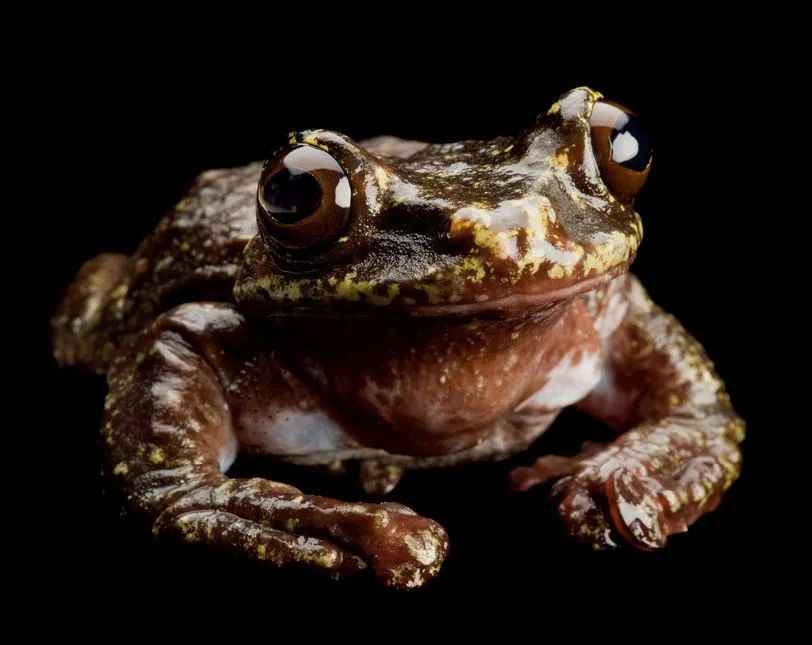
Reporting from Beijing — In 2016, the global scientific community mourned the passing of Xiaoyinghan (Little Tough Guy), the last known Panamanian tree frog (scientific name: Ecnomiohyla panamensis), which breathed its last in an artificial breeding tank at the Atlanta Botanical Garden. The death of this 12-year-old male frog officially marked the complete extinction of the species from Earth.
The Lion's Mane Jellyfish: The Ocean's Gigantic, Frilly Predator of the Cold Depths
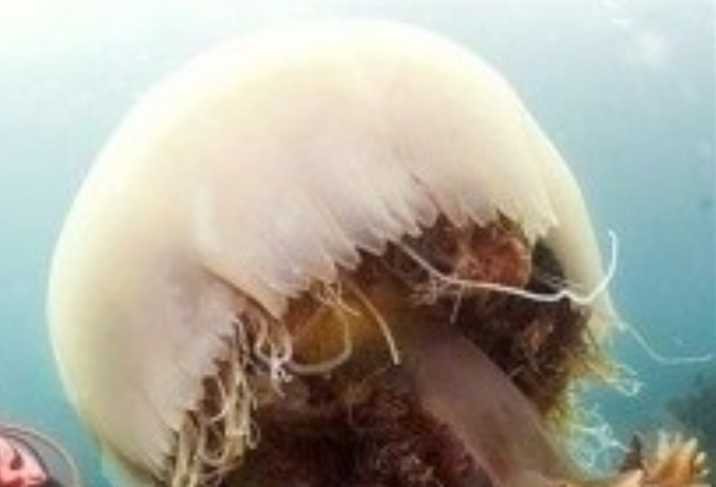
The lion's mane jellyfish (Cyanea capillata) is a majestic and imposing creature, renowned as one of the largest jellyfish species in the world. Found in cold, boreal waters of the Arctic, North Atlantic, and North Pacific oceans, its name stems from its striking appearance—long, flowing tentacles resembling a lion's mane, which give it both beauty and a fearsome reputation as a predator.
The Gynandromorphic Northern Cardinal: A Rare Avian Wonder with Split Sexual Identity
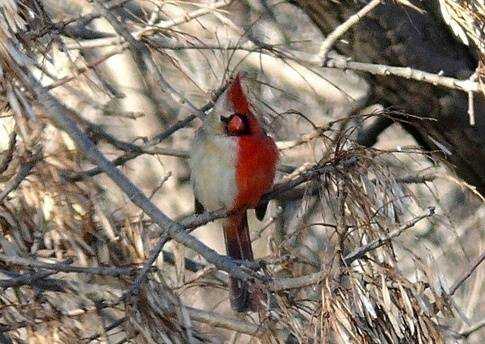
The northern cardinal (Cardinalis cardinalis) is renowned for its striking sexual dimorphism—males dazzle in vibrant red plumage, while females sport subtle brown tones. Yet occasionally, a rare phenomenon occurs: gynandromorphism, where an individual displays both male and female traits. These "split-sex" cardinals captivate scientists, offering unique insights into avian sex determination and development.
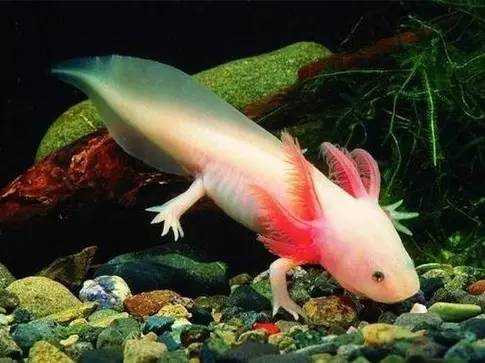
The Axolotl: Mexico’s Remarkable 'Walking Fish' and Genetic Marvel
Native to the freshwater lakes of Mexico City, the axolotl (Ambystoma mexicanum) is a salamander unlike any other—renowned for its permanent larval form, vibrant pinkish hue, and extraordinary regenerative abilities. Often called the "walking fish" due to its aquatic lifestyle, this critically endangered species has captivated scientists for centuries, serving as a key model in developmental biology.
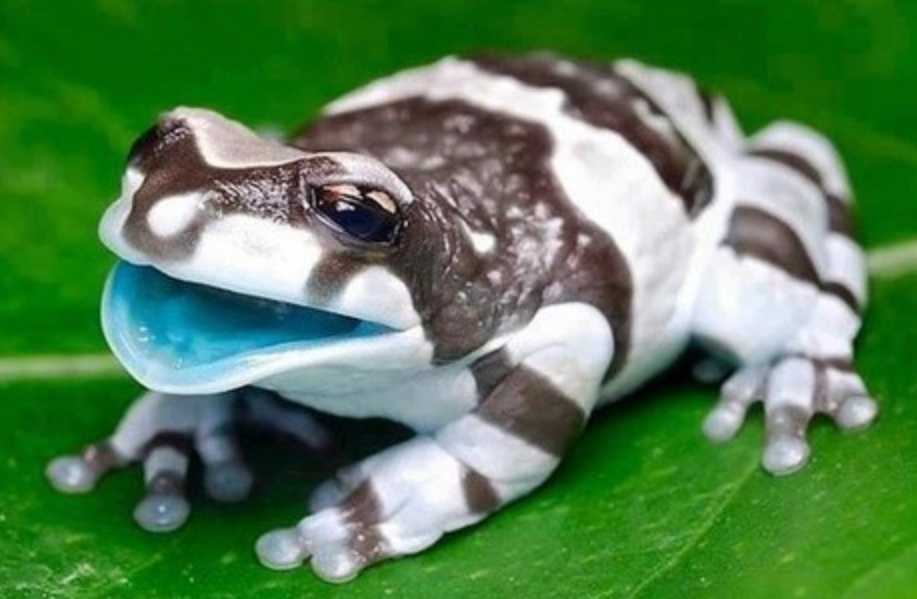
The Amazon Milk Tree Frog: Nature’s Vibrant Green Amphibian with a Milky Defense
Native to the rainforests of northern South America, the Amazon milk tree frog (Trachycephalus resinifictrix) is a striking amphibian renowned for its vivid coloration and unique defensive adaptation. Found in the canopy of tropical forests from Venezuela to Brazil, this arboreal frog has captivated herpetologists with its bold appearance and the milky-white toxin it secretes when threatened.
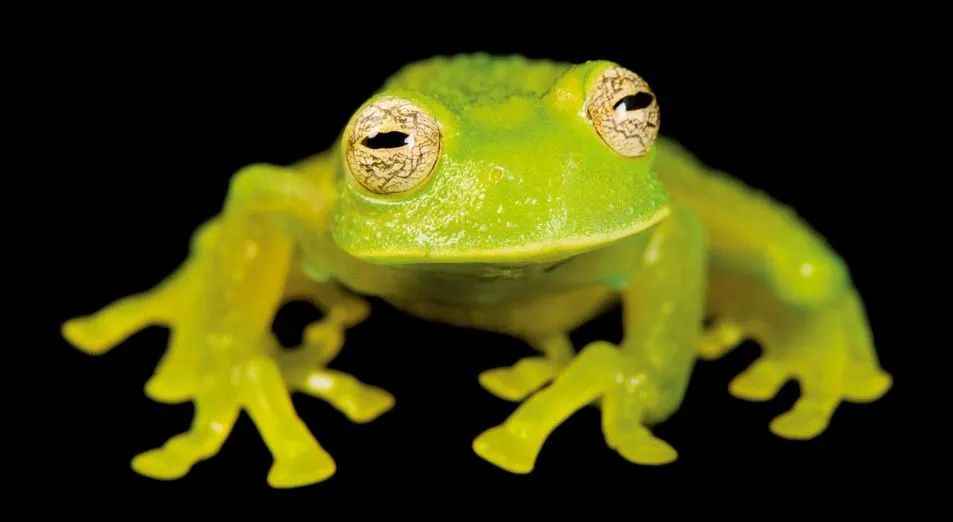
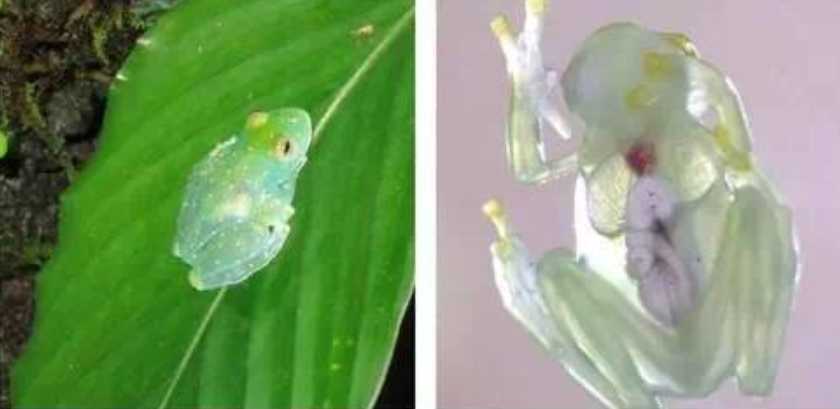
The Glass Frog: Nature’s Transparent Amphibian with a Window to Its Inner World
Native to the cloud forests of Central and South America, the glass frog (family Centrolenidae) is a remarkable amphibian celebrated for its most unique trait—transparent skin on its belly, allowing observers to see its beating heart, intestines, and even eggs. This evolutionary marvel has captivated biologists, offering a rare glimpse into the inner workings of a living animal.
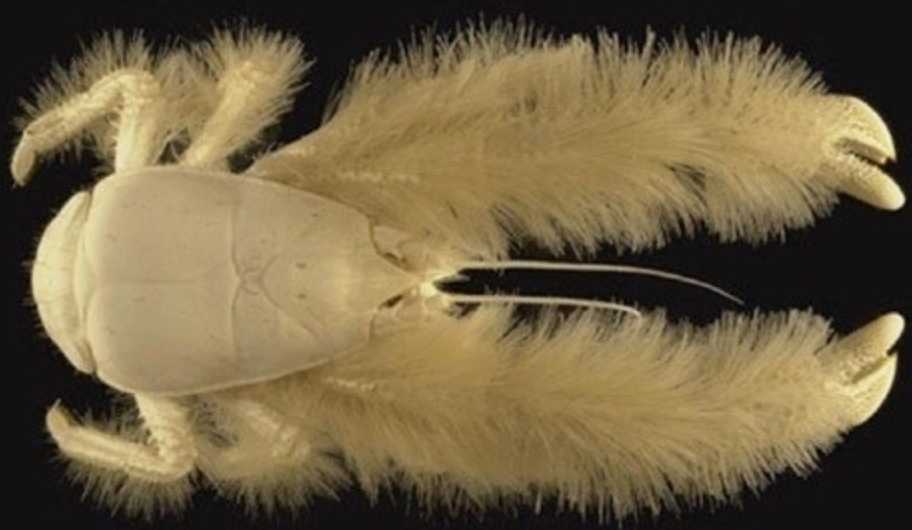
The Yeti Crab: Deep-Sea Marvel with Hairy Pincers and a Chemosynthetic Lifestyle
Discovered in 2005 near hydrothermal vents off Easter Island, the yeti crab (Kiwa hirsuta) is a crustacean unlike any other—renowned for its fuzzy, blond "hair" covering its pincers and body, earning it the nickname "yeti crab." This deep-sea dweller thrives in one of Earth’s most extreme environments, relying on a unique partnership with bacteria for survival.
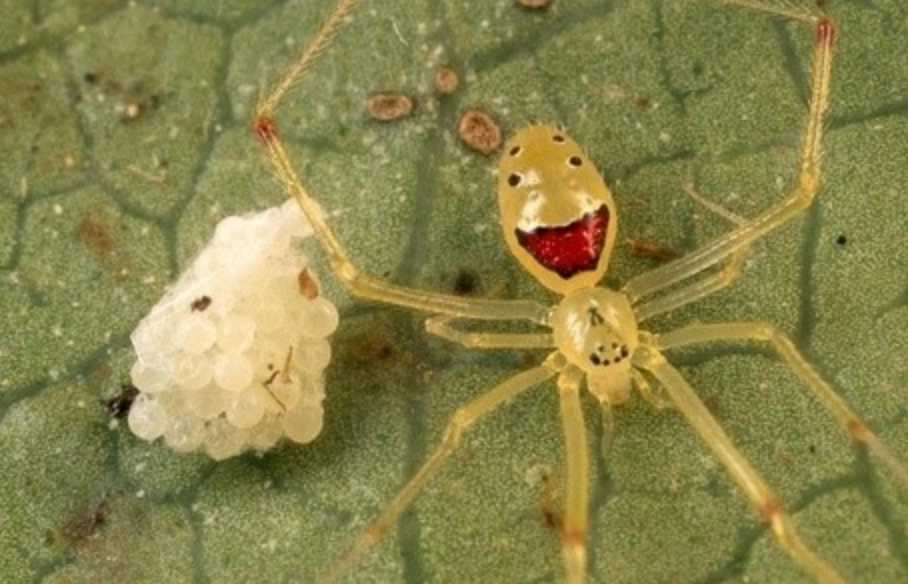
The Happy Face Spider: Hawaii’s Cryptic Arthropod with a Smiling Survival Strategy
Endemic to the rainforests of Hawaii, the happy face spider (Theridion grallator) is a tiny arachnid celebrated for its most whimsical trait—a ventral abdomen marked with patterns resembling a smiling face. Discovered in the 19th century, this cryptic spider has captivated entomologists with its unique coloration and the evolutionary mystery behind its cheerful design.