Russian Blue Cats: Guardians of Grace from the Arctic Circle


Feline News
Russian Blue Cats: Guardians of Grace from the Arctic Circle

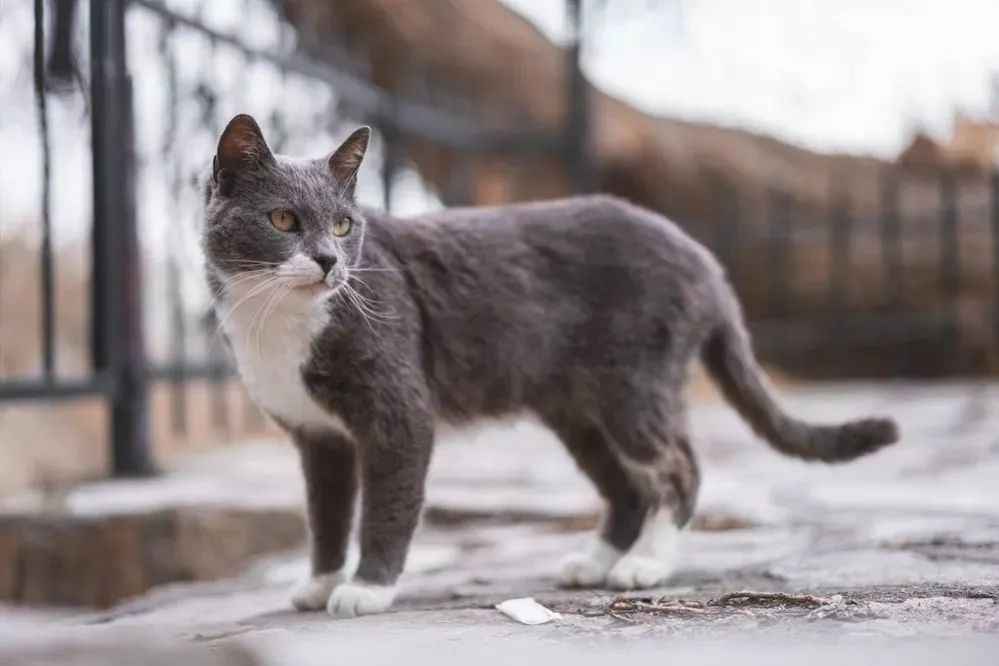
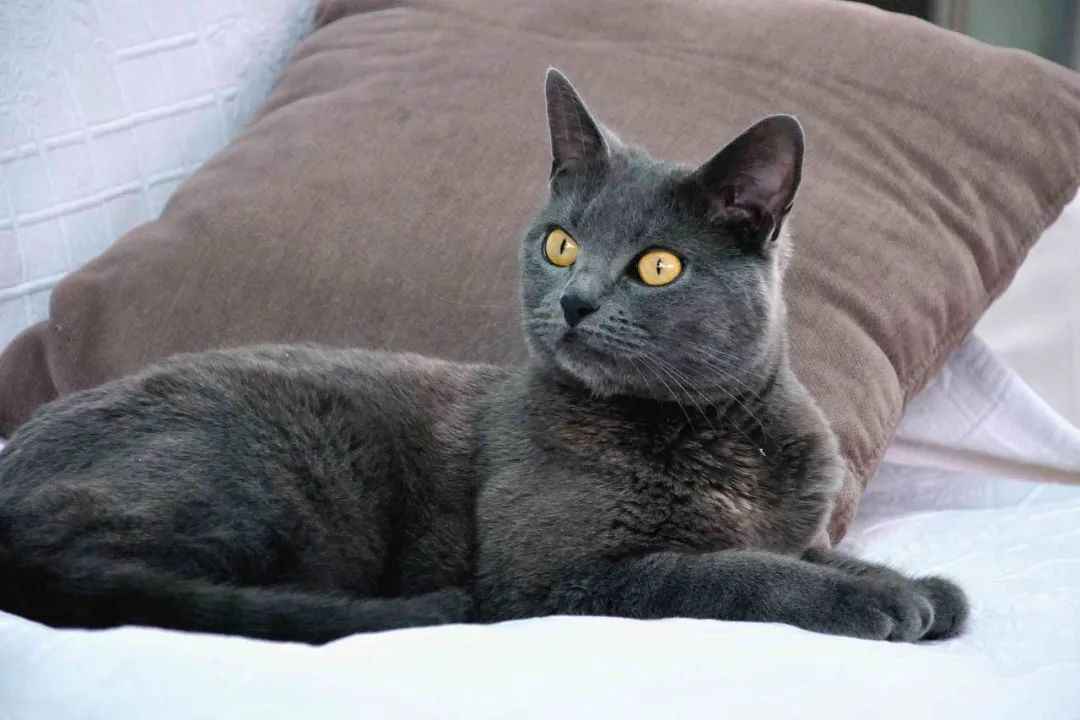
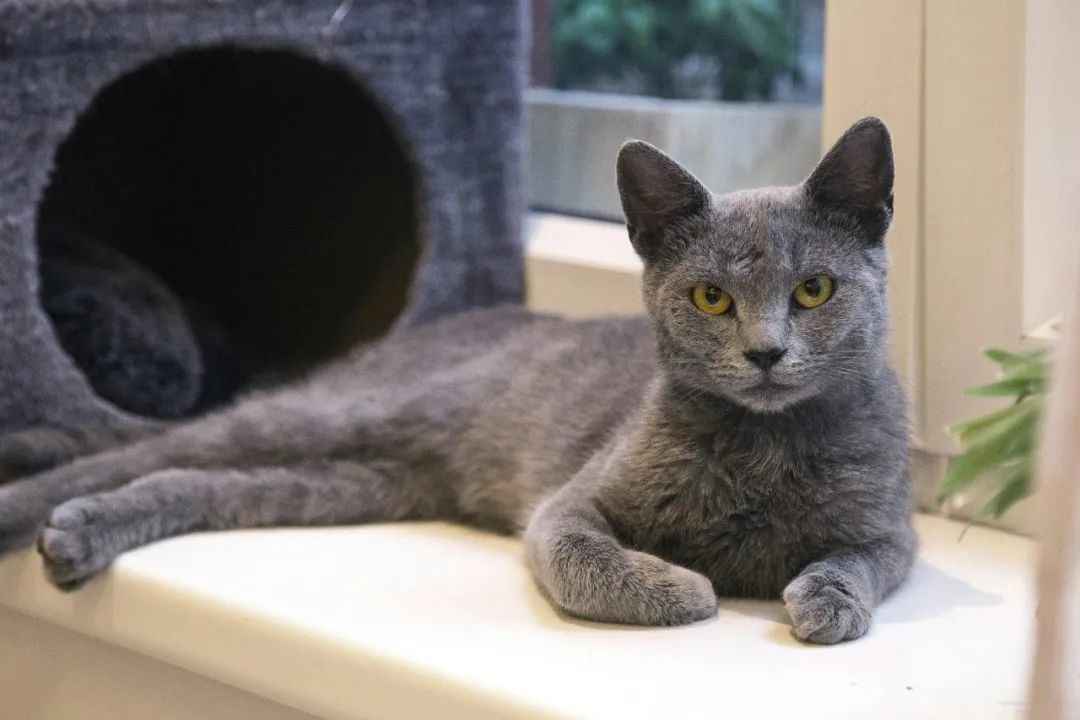
The Russian Blue, with its silvery-blue coat and piercing emerald eyes, stands as a paragon of feline elegance, earning the title "Noble of the Shorthairs" 5. Originating from Arkhangelsk Port in Russia—once known as the "Blue Angel Harbor"—this ancient breed derived its name not from color but from its birthplace 3. In 1860, sailors introduced them to Europe, and they debuted at London's Crystal Palace Exposition in 1875 as "Archangel Cats," captivating audiences with their otherworldly allure

A Frost-Formed Physique
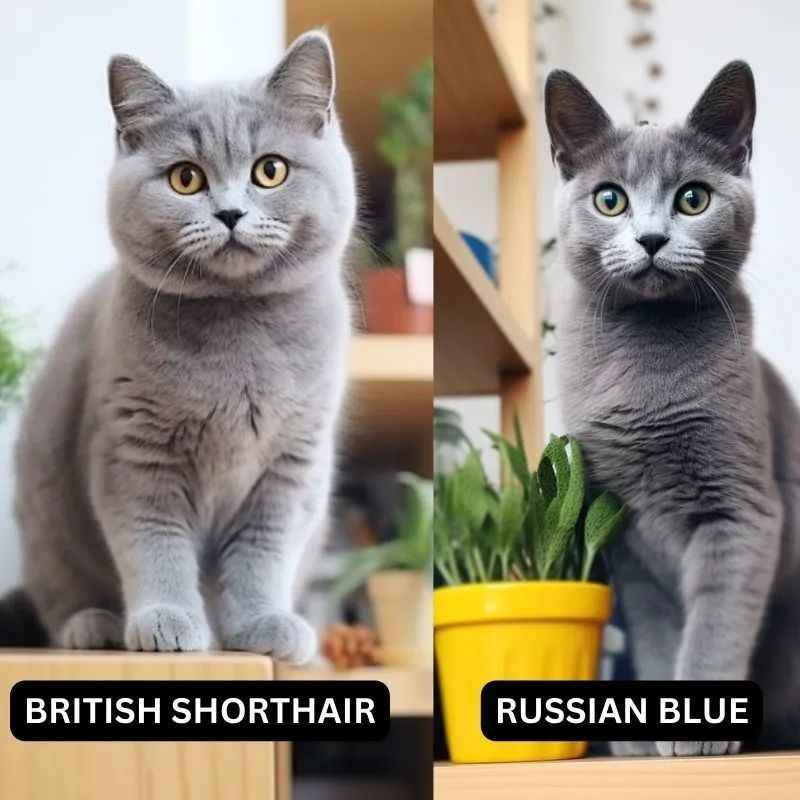
Characterized by a lithe, dancer-like build, Russian Blues move with a delicate, gait 5. Their plush, double-layered coat—soft as velvet—features dense underfur adapted to Siberian winters, while the outer guard hairs shimmer with a mink-like sheen in sunlight 6. Almond-shaped green eyes, a breed hallmark, contrast strikingly with their silvery-gray pelage 56. Three distinct lineages exist: the petite Siberian/Scandinavian type, the refined American strain, and the sturdier British variant 8.


A Sensitive and Cerebral Disposition
Named the "most fearful cat breed" in a 2021 study 7, Russian Blues thrive in calm environments where they bond deeply with trusted humans. Their communication is subtle—a soft trill for affection, a gentle chirp for curiosity—eschewing the demanding nature of other breeds 56. Notably, they produce lower levels of Fel d 1, making them a hypoallergenic choice for many 8. Despite their reserved demeanor, these cats exhibit remarkable problem-solving skills, often surprising owners with tricks like opening doors or retrieving objects 6.
 

Source: Images from the Internet, if there is any infringement, please contact the removal of


Guardians Amidst Turmoil
In 2022, the Fédération Internationale Féline (FIFe) controversially banned Russian-bred cats from international competitions, sparking global backlash 211. Ironically, this fueled interest in the breed, which holds cultural significance in Russia—70 Russian Blues reportedly guard the Hermitage Museum's treasures 11. Beyond symbolism, their therapeutic potential is gaining recognition: their serene presence is increasingly used in anxiety counseling programs 12.


Modern Living's Perfect Companion
While purebred Russian Blues command high prices (up to tens of thousands of yuan) 10, their low-maintenance care makes them ideal pets. Weekly brushing suffices to maintain their glossy coat, and interactive toys like feather wands satisfy their hunting instincts 1213. However, they are heat-sensitive; prolonged exposure above 28°C may cause panting or heatstroke 12. Today, 27 specialized catteries worldwide—including 18 in France—preserve the breed through rigorous genetic screening, ensuring vitality for future generations 12.


From czarist palaces to contemporary homes, the Russian Blue remains a timeless icon of grace. Whether as historical sentinels or modern-day confidants, these "Winter Spirits" continue to enchant with their enigmatic allure.
Latest Stories
Feline News2 minute readThe Korat cat, originating from Thailand’s Nakhon Ratchasima province (formerly Korat), is a breed deeply rooted in history and cultural significance. Revered for centuries as a symbol of good luck and prosperity, these silver-blue felines have enchanted the world with their striking appearance and affectionate nature.
Feline News2 minute readThe Burmese cat, a breed steeped in history and adored for its regal charm, continues to captivate cat lovers worldwide. Originating from Myanmar (formerly Burma), these medium-sized shorthairs are celebrated for their luxurious coat, affectionate demeanor, and intelligence. Here’s an in-depth look at this ancient breed, combining the latest research and international standards
Feline News2 minute readThe Russian Blue, with its silvery-blue coat and piercing emerald eyes, stands as a paragon of feline elegance, earning the title "Noble of the Shorthairs" 5. Originating from Arkhangelsk Port in Russia—once known as the "Blue Angel Harbor"—this ancient breed derived its name not from color but from its birthplace 3. In 1860, sailors introduced them to Europe, and they debuted at London's Crystal Palace Exposition in 1875 as "Archangel Cats," captivating audiences with their otherworldly allure
Astro Information1 minute readEnceladus, Saturn’s icy moon, harbors a subsurface ocean beneath tiger-stripe fractures that erupt icy particles into space. These geysers form a dense ice cloud over the south pole, feeding Saturn’s faint E ring. The Cassini spacecraft (2004–2017) provided definitive evidence, capturing this true-color, high-resolution image during a close flyby, revealing shadowed ice chasms and active vents.
Animal Information1 minute readNative to Africa, warthogs (Phacochoerus) earn their name from the fleshy facial warts beneath their eyes. Split into the common warthog and desert warthog, these ungulates have heads comprising one-third of their body length, with tusks reaching 64 cm. They subsist on grass roots and tubers, surviving months without water—adaptations that define their harsh savanna lifestyle.
Astro Information2 minute readA close-up from NASA’s Mars Reconnaissance Orbiter (MRO) HiRISE camera unveils the weathered craters and aeolian features of southern Acidalia Planitia. While standard HiRISE imagery often appears in striking blue tones—a result of multispectral processing to enhance geological details—the region would likely appear gray or pale red to human eyes. Of course, no human has yet witnessed this Martian landscape firsthand—unless we count Andy Weir’s fictional NASA astronaut in The Martian.
Feline News1 minute readDubbed the "parlor panther," the Bombay Cat captivates with its jet-black coat and mesmerizing copper-gold eyes, an uncanny resemblance to the wild black leopard. Originating in 1958, Kentucky breeder Nikki Horner meticulously crossed sable Burmese cats with black American Shorthairs, aiming to create a domestic feline embodying both exotic allure and gentle temperament. After years of selective breeding, her vision became reality, establishing the Bombay as a breed that bridges wild aesthetics with affectionate companionship.