Exotic Animals


1 minute read

The Leatherback Turtle: Earth’s Colossal Marine Reptile Without a Traditional Shell

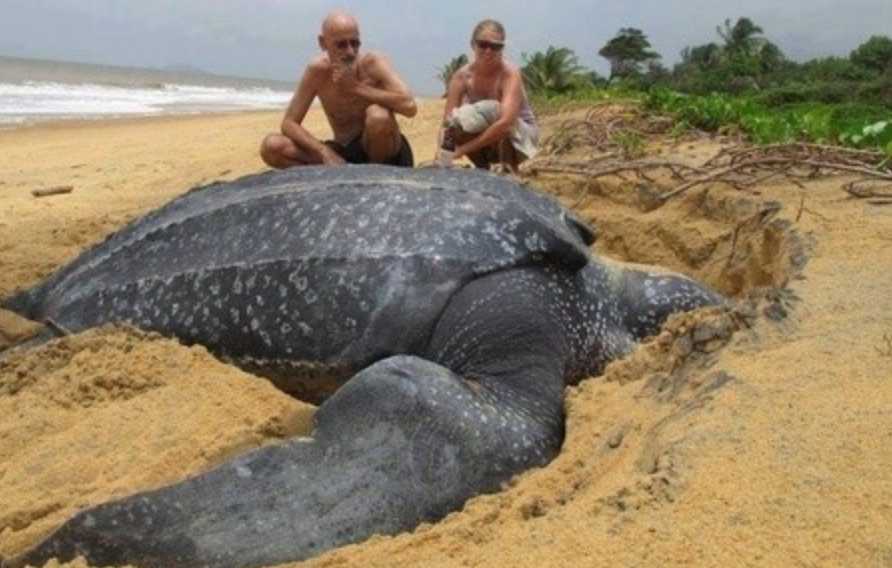
The leatherback turtle (Dermochelys coriacea) holds the title of the world’s largest turtle, capable of weighing up to 900 kilograms. Unlike other turtles, it lacks a hard bony shell. Instead, its back is supported by a flexible framework of bones covered by thick, rubbery skin, giving it a unique, leathery appearance that distinguishes it from all other chelonians.
The Leatherback Turtle: Earth’s Colossal Marine Reptile Without a Traditional Shell
1 minute read

Deadly Beauty: The Endangered Plight of the Golden Poison Frog

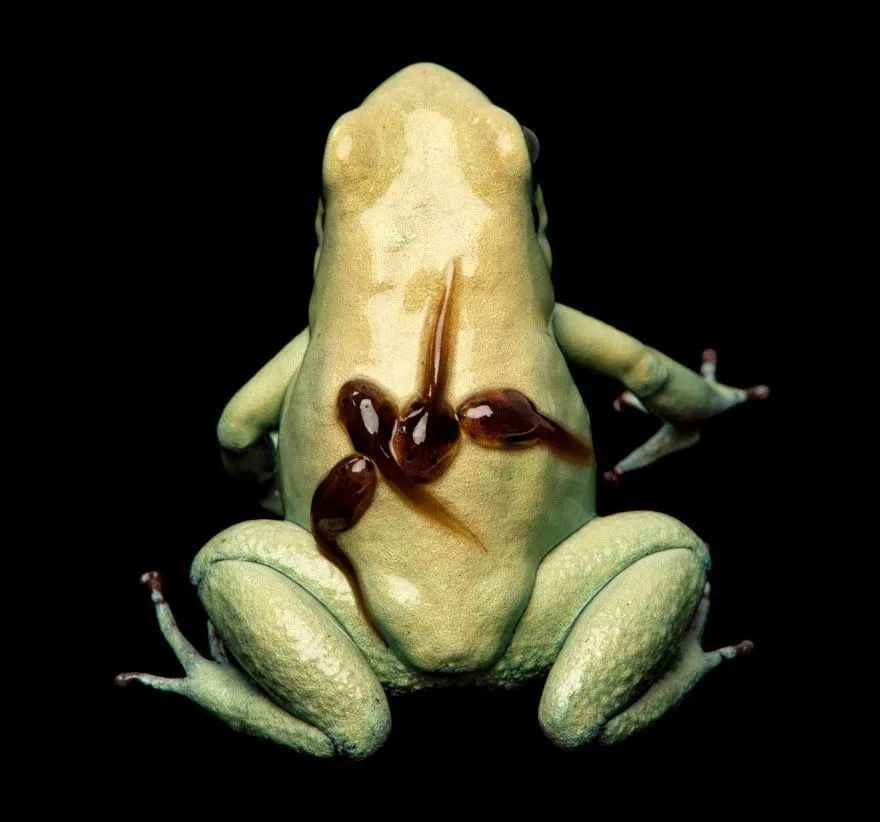
In the rainforests along Colombia’s Pacific coast resides a creature barely 5 centimeters long yet feared by all—Phyllobates terribilis, known as the golden poison frog. Cloaked in vivid orange or gold, this small amphibian ranks among the most toxic organisms on Earth. Its brilliant hue is no mere adornment, but nature’s blunt warning: keep away.
Deadly Beauty: The Endangered Plight of the Golden Poison Frog
1 minute read

The Pink Bottlenose Dolphin: Nature’s Rare Blush-Hued Marine Marvel

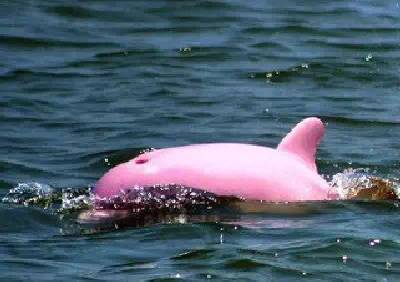
A rare and captivating variant of the common bottlenose dolphin (Tursiops truncatus), the pink bottlenose dolphin has fascinated marine biologists and enthusiasts with its striking rosy hue. Spotted in coastal waters from the Gulf of Mexico to Southeast Asia, this genetic anomaly stands out not only for its color but also for the mysteries surrounding its unique pigmentation.
The Pink Bottlenose Dolphin: Nature’s Rare Blush-Hued Marine Marvel
1 minute read

Four-Eyed Turtle: A Unique Freshwater Species Teeters on the Brink of Extinction

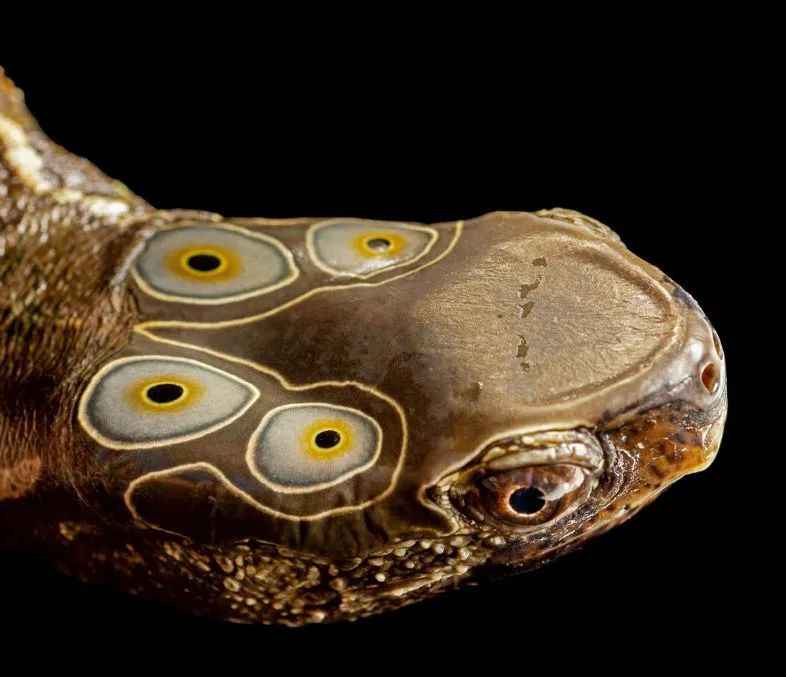
The four-eyed turtle (Sacalia quadriocellata), a rare freshwater reptile native to Southeast Asia, has captured global attention for its distinctive appearance and critical endangered status. Contrary to its common name, this small turtle—typically measuring under 20 centimeters in length—possesses only two functional eyes. Its moniker derives from four striking ocelli (eye-like spots) atop its head: two pairs of bright yellow markings ringed with dark pigment, resembling additional eyes and forming one of nature’s most intriguing examples of mimicry.
Four-Eyed Turtle: A Unique Freshwater Species Teeters on the Brink of Extinction
1 minute read

Honduran Palm Pit Viper Faces Extinction as Prey Collapses

In the lush, mist-shrouded forests of Honduras, a silent crisis is unfolding for one of the region’s most unique reptiles: the Honduran palm pit viper (Bothriechis marchi). Classified as endangered, this elusive serpent, known for its striking coloration and arboreal habits, is teetering on the brink of disappearance, its fate tightly intertwined with the catastrophic decline of its primary prey—amphibians.
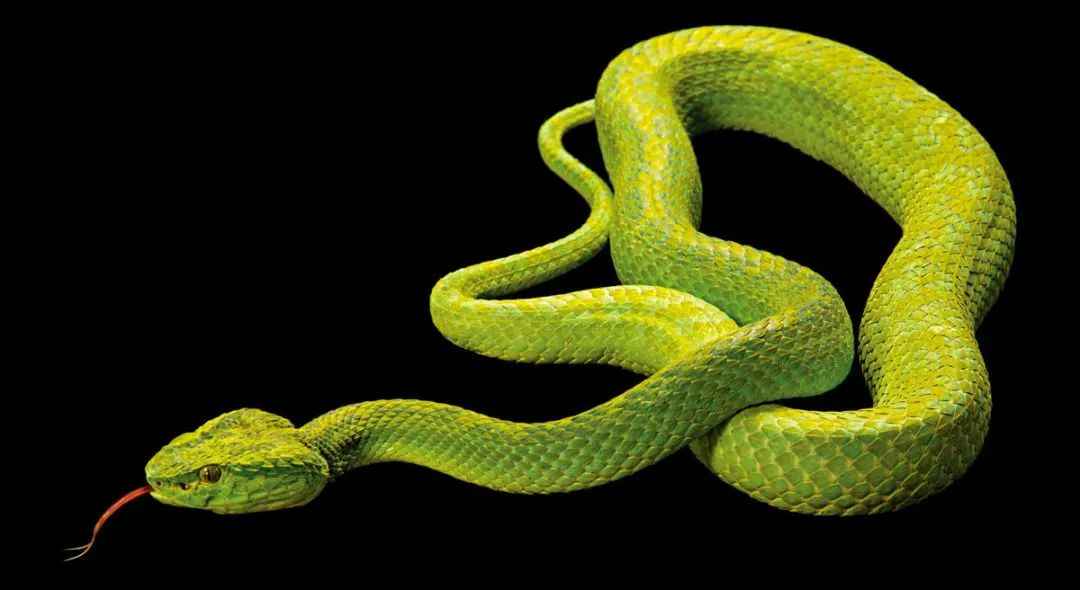
Honduran Palm Pit Viper Faces Extinction as Prey Collapses
1 minute read

Critically Endangered Brown Spider Monkeys: Vital Seed Dispersers in South American Rainforests

Deep within the pristine rainforests of South America, a silent ecological crisis looms for one of the continent’s most imperiled primates: the brown spider monkey (Ateles hybridus). Classified as "Critically Endangered" by the International Union for Conservation of Nature (IUCN), this species plays an irreplaceable role in sustaining the health of its habitat—serving as a linchpin for seed dispersal that supports hundreds of plant species.
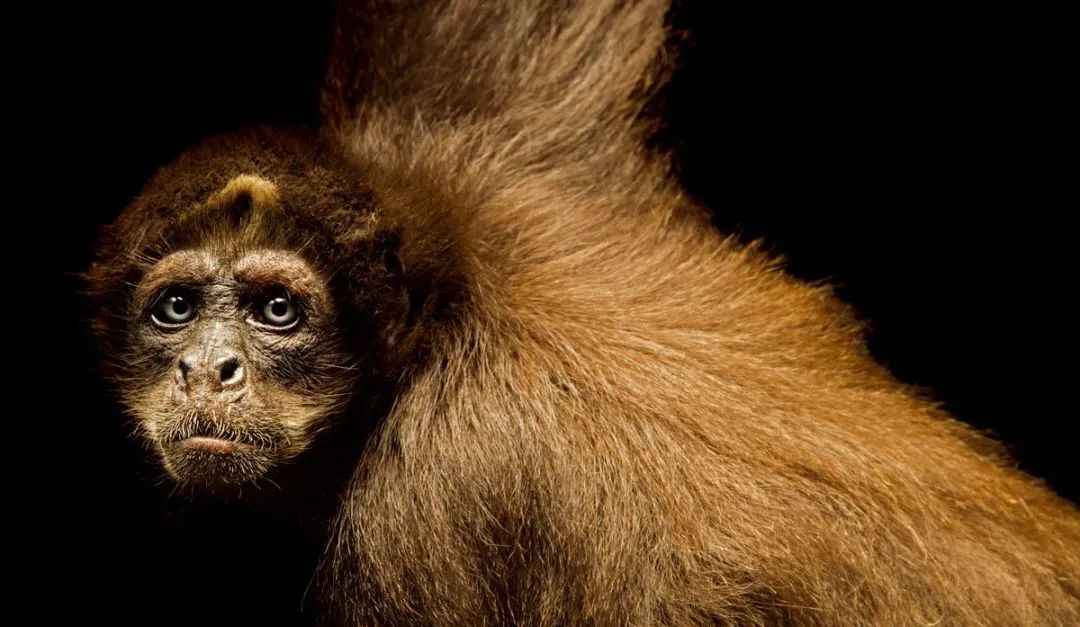
Critically Endangered Brown Spider Monkeys: Vital Seed Dispersers in South American Rainforests
1 minute read

The Albino Lion: Rare Genetic Marvel and Cultural Icon of the Savanna

Albino lions, though often mistaken for white lions, are a distinct genetic rarity characterized by complete lack of melanin, resulting in pure white fur, pink skin, and pale blue or red eyes. Unlike white lions (which have a recessive color gene), albinism in lions is caused by a mutation in the TYR gene, inhibiting tyrosinase production—a enzyme crucial for pigment formation. These majestic creatures have captivated humanity for centuries, blending scientific curiosity with cultural mystique.
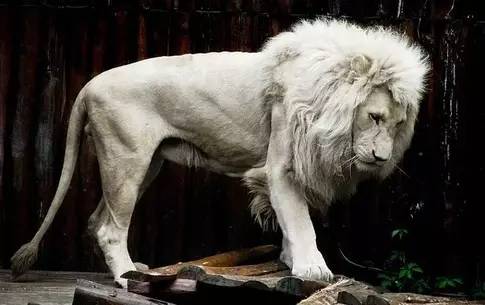
The Albino Lion: Rare Genetic Marvel and Cultural Icon of the Savanna

Latest Stories
Feline News2 minute readThe Korat cat, originating from Thailand’s Nakhon Ratchasima province (formerly Korat), is a breed deeply rooted in history and cultural significance. Revered for centuries as a symbol of good luck and prosperity, these silver-blue felines have enchanted the world with their striking appearance and affectionate nature.
Feline News2 minute readThe Burmese cat, a breed steeped in history and adored for its regal charm, continues to captivate cat lovers worldwide. Originating from Myanmar (formerly Burma), these medium-sized shorthairs are celebrated for their luxurious coat, affectionate demeanor, and intelligence. Here’s an in-depth look at this ancient breed, combining the latest research and international standards
Feline News2 minute readThe Russian Blue, with its silvery-blue coat and piercing emerald eyes, stands as a paragon of feline elegance, earning the title "Noble of the Shorthairs" 5. Originating from Arkhangelsk Port in Russia—once known as the "Blue Angel Harbor"—this ancient breed derived its name not from color but from its birthplace 3. In 1860, sailors introduced them to Europe, and they debuted at London's Crystal Palace Exposition in 1875 as "Archangel Cats," captivating audiences with their otherworldly allure
Astro Information1 minute readEnceladus, Saturn’s icy moon, harbors a subsurface ocean beneath tiger-stripe fractures that erupt icy particles into space. These geysers form a dense ice cloud over the south pole, feeding Saturn’s faint E ring. The Cassini spacecraft (2004–2017) provided definitive evidence, capturing this true-color, high-resolution image during a close flyby, revealing shadowed ice chasms and active vents.
Animal Information1 minute readNative to Africa, warthogs (Phacochoerus) earn their name from the fleshy facial warts beneath their eyes. Split into the common warthog and desert warthog, these ungulates have heads comprising one-third of their body length, with tusks reaching 64 cm. They subsist on grass roots and tubers, surviving months without water—adaptations that define their harsh savanna lifestyle.
Astro Information2 minute readA close-up from NASA’s Mars Reconnaissance Orbiter (MRO) HiRISE camera unveils the weathered craters and aeolian features of southern Acidalia Planitia. While standard HiRISE imagery often appears in striking blue tones—a result of multispectral processing to enhance geological details—the region would likely appear gray or pale red to human eyes. Of course, no human has yet witnessed this Martian landscape firsthand—unless we count Andy Weir’s fictional NASA astronaut in The Martian.
Feline News1 minute readDubbed the "parlor panther," the Bombay Cat captivates with its jet-black coat and mesmerizing copper-gold eyes, an uncanny resemblance to the wild black leopard. Originating in 1958, Kentucky breeder Nikki Horner meticulously crossed sable Burmese cats with black American Shorthairs, aiming to create a domestic feline embodying both exotic allure and gentle temperament. After years of selective breeding, her vision became reality, establishing the Bombay as a breed that bridges wild aesthetics with affectionate companionship.