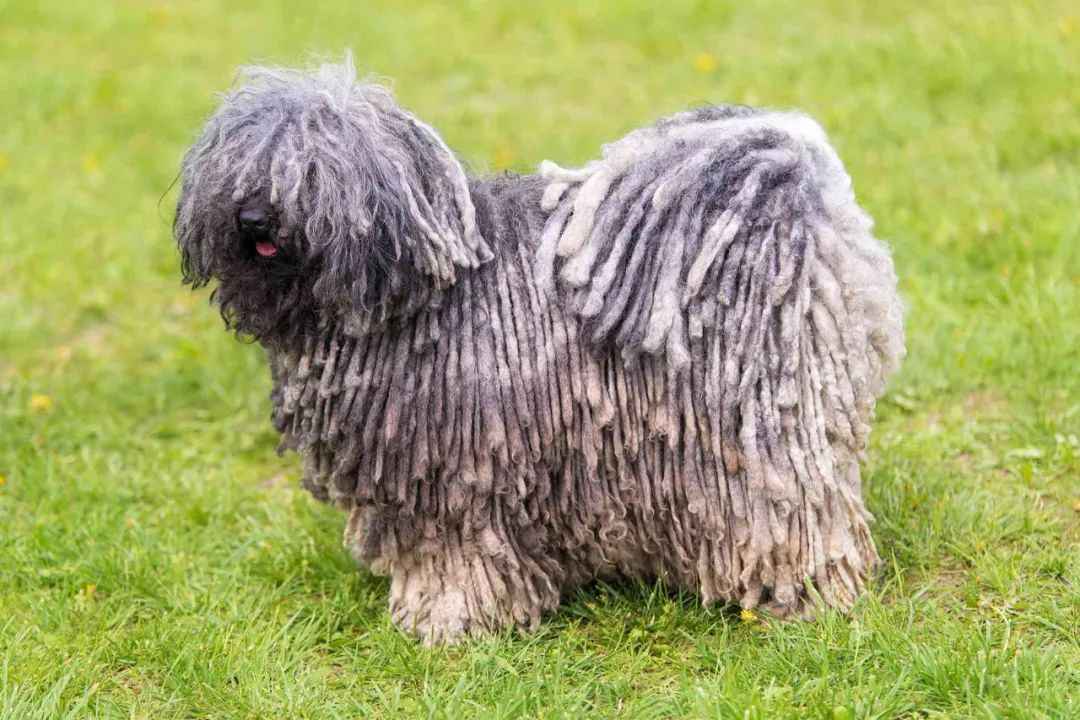
Argentina's Fearless Hunter: The Dogo Argentino - A Breed of Strength and Controversy
The Dogo Argentino, a breed born from the rugged landscapes of Argentina, stands as a testament to human ingenuity and canine resilience. Developed in the 1920s by Dr. Antonio Nores Martínez, this large, muscular dog was meticulously bred for one purpose: to hunt big game such as wild boars and pumas in the country’s harsh terrain49. With its striking all-white coat, powerful jaws, and unwavering courage, the Dogo Argentino quickly earned a reputation as both a fearsome predator and a loyal companion.
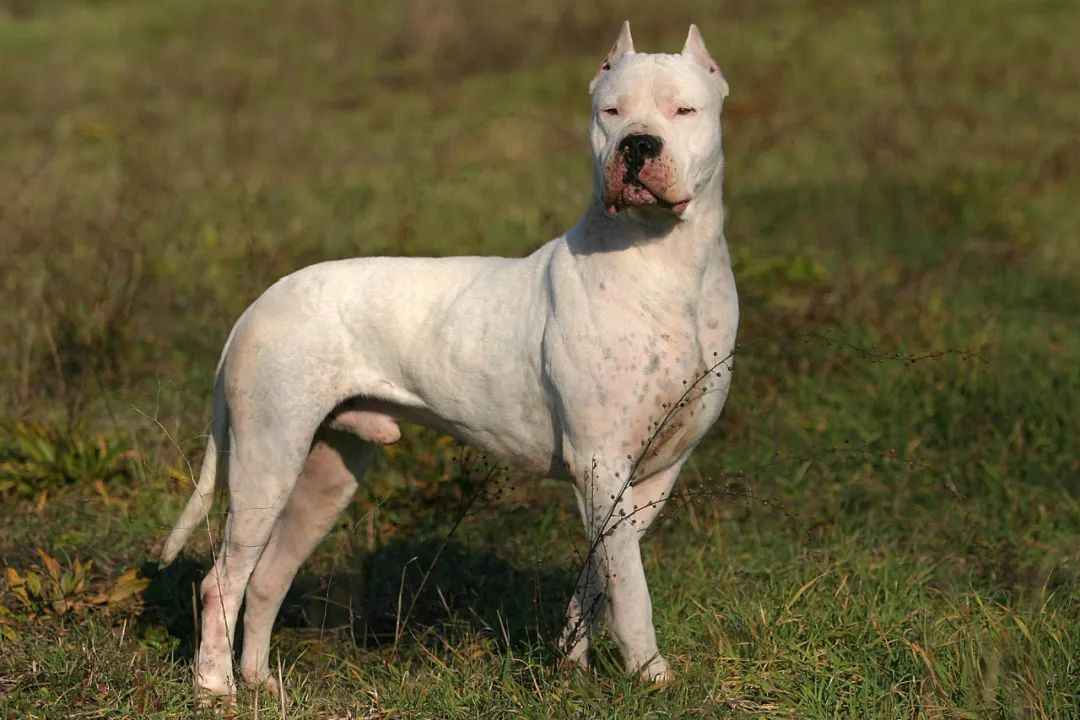
Majestic Giants: The Resilient Legacy of the Irish Wolfhound
The Irish Wolfhound, a breed steeped in ancient history and myth, stands as a testament to Ireland’s rich cultural heritage. Revered for its imposing size and gentle demeanor, this giant sighthound has captivated hearts for millennia. Originating in Celtic times, these dogs were initially bred to hunt wolves and Irish elk, with their prowess celebrated in legends and historical records. By the 15th century, they became symbols of nobility, their ownership restricted to kings and chieftains16.
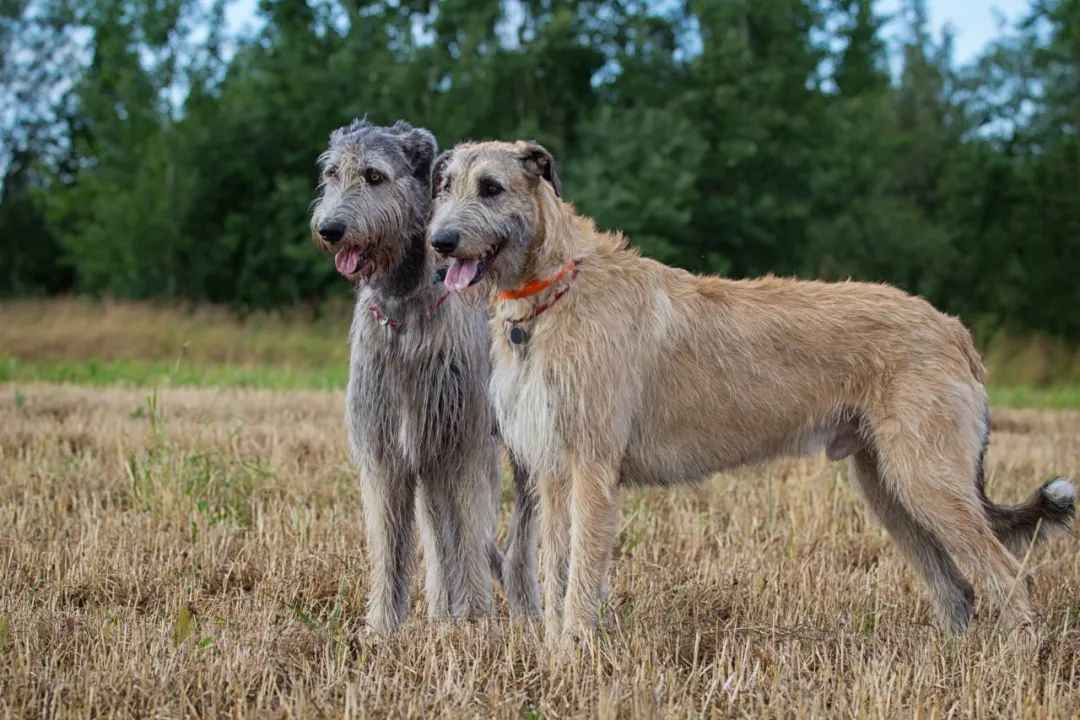
Spanish Water Dog: Iberia’s Ancient Versatile Guardian and Modern Working Dog
The Spanish Water Dog, or Perro de Agua Español, an ancient breed hailing from the Iberian Peninsula, has gained international attention for its unique "dual-purpose" abilities and loyal temperament. This medium-sized dog, standing 40-50 cm tall and weighing 14-22 kg, boasts a curly, wool-like coat in white, black, brown, or bicolor patterns. Its hypoallergenic and low-maintenance fur makes it a popular choice for families12.
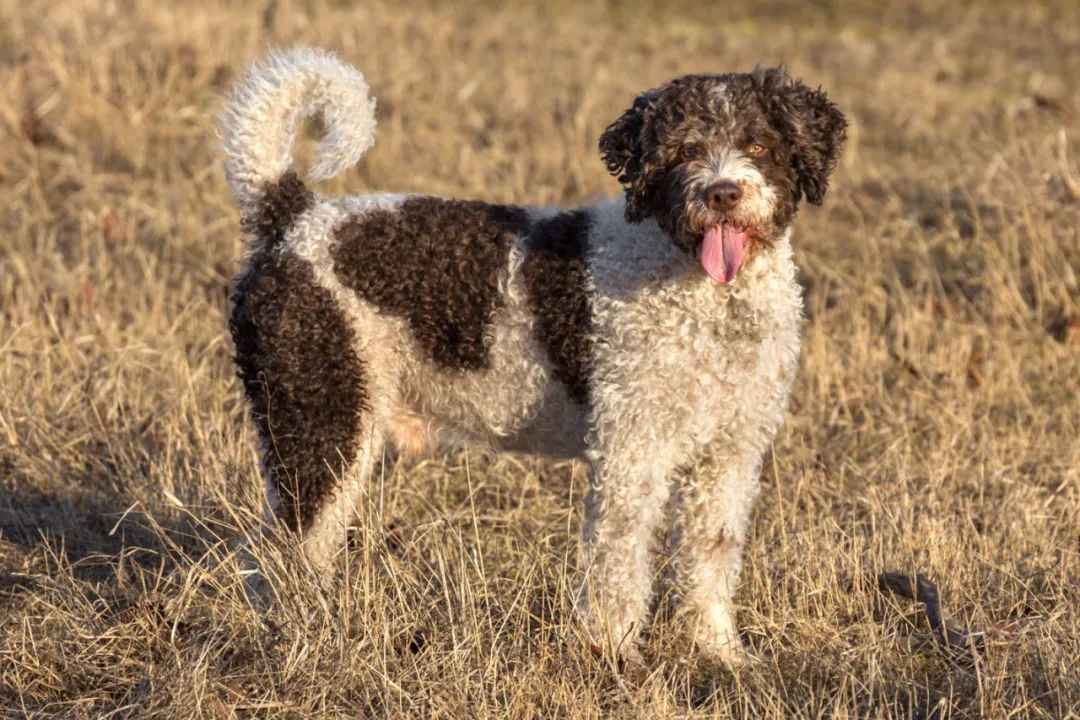
Beloved Cavalier King Charles Spaniel: A Royal Companion with Health Challenges
The Cavalier King Charles Spaniel, a breed steeped in history and charm, traces its origins to 17th-century England, where it became a favorite of King Charles II. Originally developed from the English Toy Spaniel, the breed was officially recognized in 1945 after breeders aimed to revive the "old-style" longer-muzzled spaniels depicted in royal portraits . Today, these affectionate toy dogs are cherished worldwide for their gentle demeanor and striking appearance, but they face significant health challenges due to centuries of selective breeding.

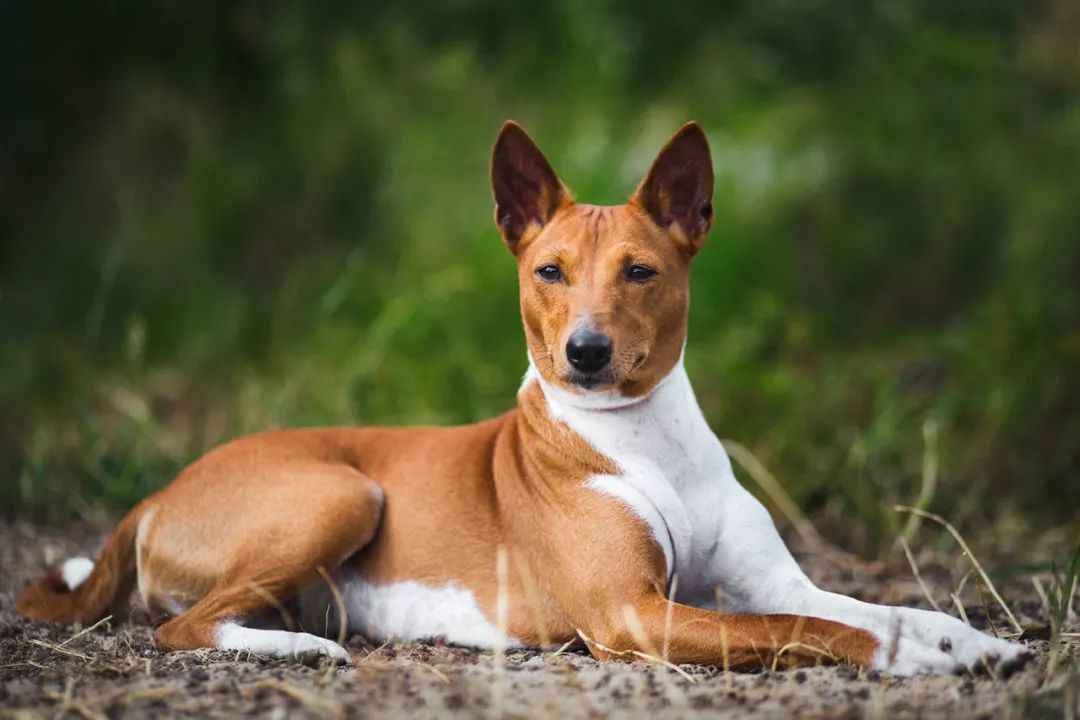
Mysterious Basenji: The Barkless Wonder from Africa
The Basenji, often called the "barkless dog," is a breed steeped in ancient history and unique characteristics. Originating from Central Africa, particularly the Congo region, this enigmatic canine has captivated dog lovers for centuries with its silent charm and distinctive traits.
Everything You Need to Know About the Lion Dog
The Lowchen, affectionately known as the "Little Lion Dog," is a charming breed steeped in history and characterized by its distinctive appearance and lively personality. Originating in Europe during the Renaissance, these small dogs were cherished by nobility for their companionship and striking "lion cut" grooming style, which accentuated their regal bearing1.

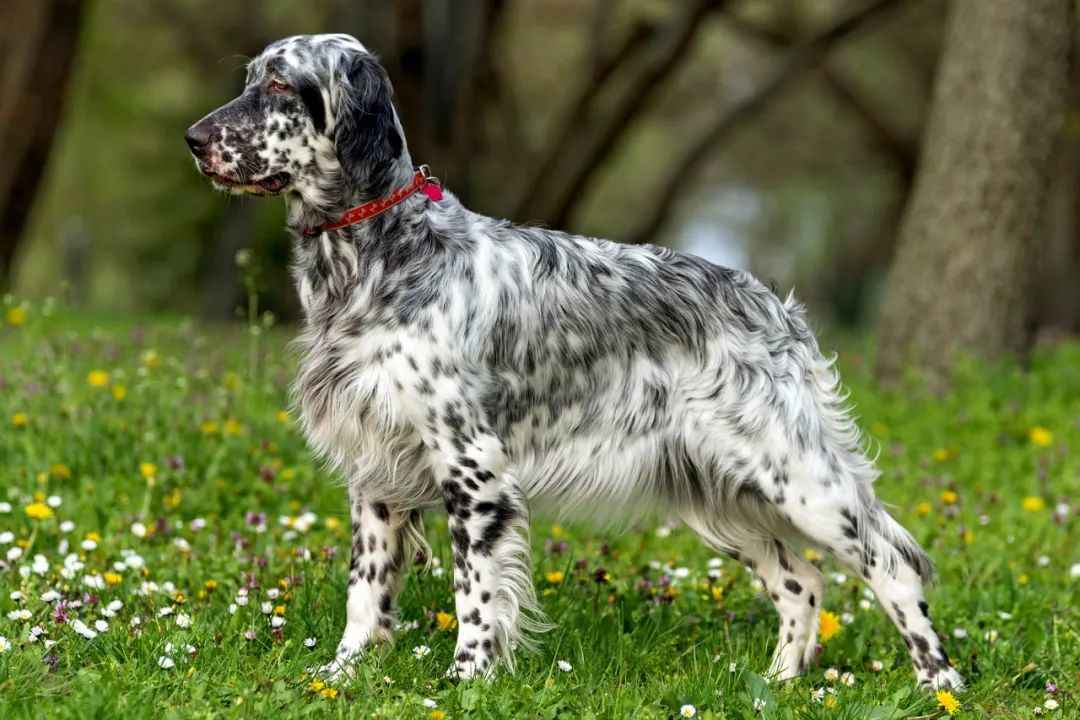
The Elegant Hunter: Unveiling the History and Modern Allure of the English Setter
Hailed as the "aristocrat" of hunting dogs, the English Setter traces its roots back to 14th-century England, where it was originally bred to locate game birds by crouching silently—a behavior known as "setting"2. With the rise of firearms, its role evolved into standing still to indicate prey, solidifying its reputation as a blend of grace and efficiency in the field3.
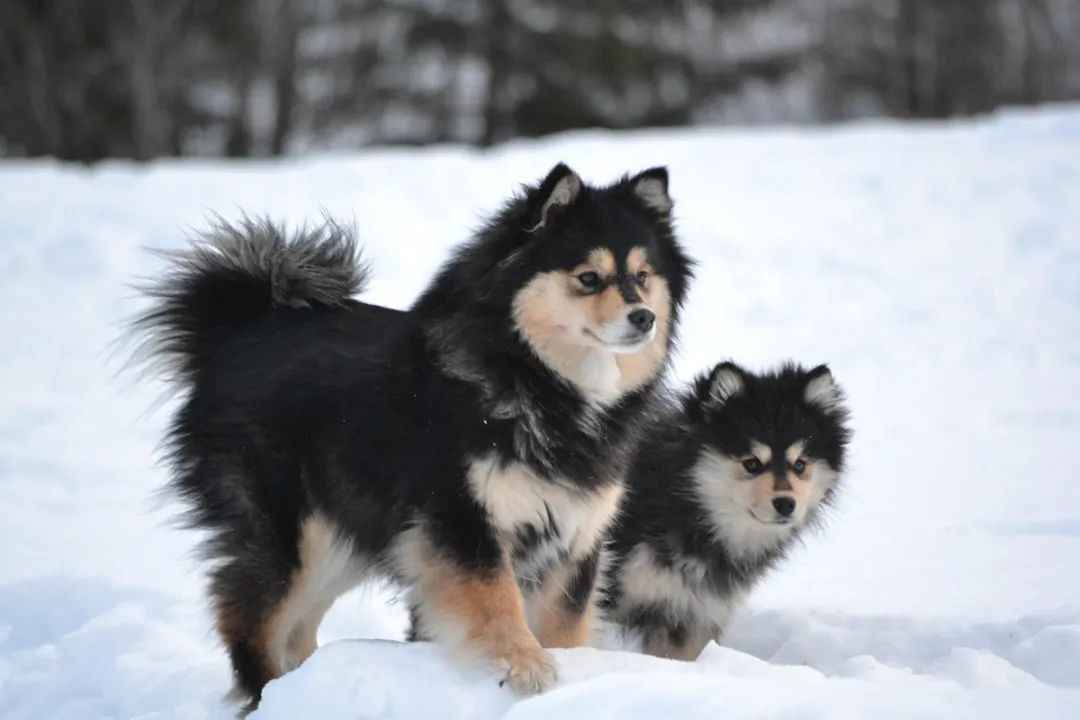
Exploring the History, Characteristics, and Role of Finland’s Beloved Reindeer Herding Dog
Nestled in the Arctic Circle, the Finnish Lapphund has served as a loyal companion and working partner to the Sami people for centuries. Originating from Lapland—a region spanning northern Finland, Sweden, and Norway—this breed’s history is deeply intertwined with the harsh yet breathtaking landscapes it calls home. Developed initially for hunting wild reindeer, the Finnish Lapphund evolved into a versatile herding dog as reindeer domestication took hold in the 17th century28. By the mid-20th century, breed standards were formalized, and today, it stands as a symbol of resilience and adaptabil