Redbone Coonhound: The Southern U.S. Bloodline Hunter and Modern Family Guardian


Canine News
Redbone Coonhound: The Southern U.S. Bloodline Hunter and Modern Family Guardian

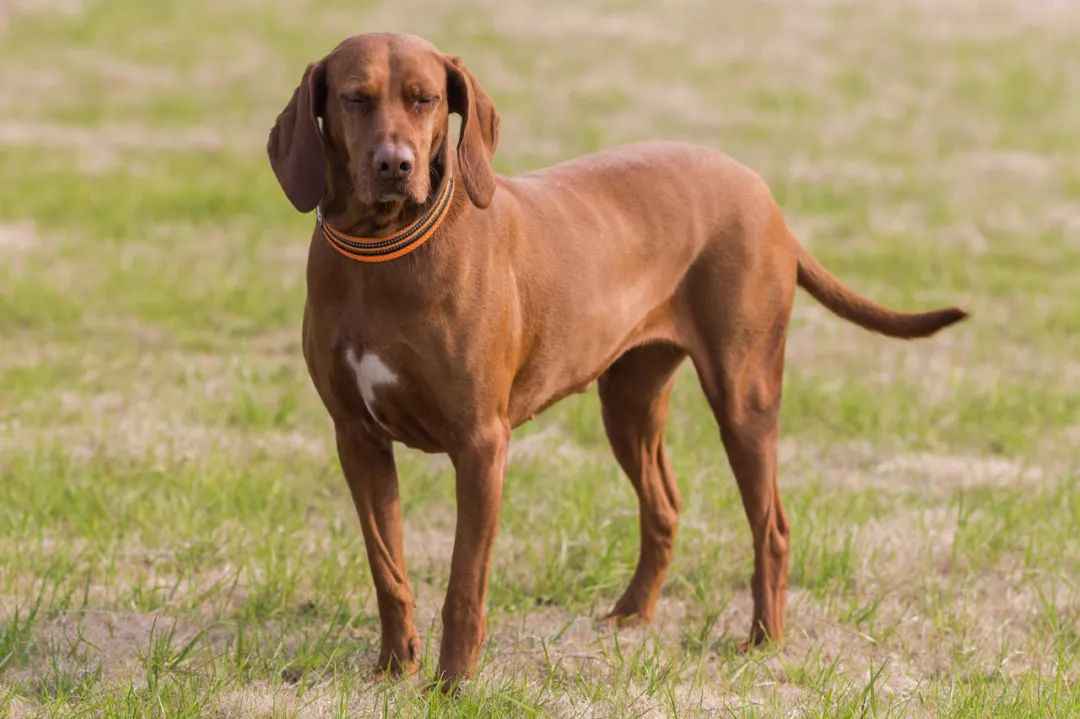
The Redbone Coonhound emerged in 19th-century Southern U.S., tracing back to Georgia plantation owner L.F.W. Birdsong’s breeding program. Aiming to create a dog that matched red foxes’ agility, he crossbred Bloodhounds with Irish Foxhounds to craft a breed combining speed and scenting prowess. Recognized by the United Kennel Club (UKC) in 1902 and later admitted to the American Kennel Club (AKC) in 2010, its name likely stems from early breeder Peter Redbone or its distinctive mahogany coat. Notably, the breed maintains steady popularity in 2025, particularly among outdoor enthusiasts.

Appearance and Temperament

Famed for its single-layer mahogany short coat, the Redbone Coonhound boasts a muscular build, standing 53–69 cm at the shoulder and weighing 20–32 kg. Its deep, expressive eyes mirror a temperament that balances hunting tenacity with family-friendly warmth. Loyal and adaptable, it thrives in both pursuit of prey and as a gentle companion, especially with children. However, its high energy and independent nature demand 2–3 hours of daily exercise, paired with short, engaging training sessions to sustain focus. The breed has also gained traction in search-and-rescue work, leveraging its scenting ability and stamina in avalanche, land, and water operations.

Hunting Instincts and Modern Roles

As a specialized raccoon hunter, the Redbone Coonhound is renowned for its "Cold Nose" ability to track days-old scents, pinpointing prey and alerting hunters with its unique baying. Its prowess extends to larger game like bears and mountain lions. In recent years, it has shone in international dog shows, with UKC champions such as Sidearm Elly Mae Clampett and Coffindaffer’s Crockett solidifying its status as a top-tier hound. Celebrities like actor Burt Reynolds and country singer Blake Shelton have also chosen Redbones as hunting partners, highlighting their cultural cachet.

Health and Care

While generally robust, Redbone Coonhounds require monitoring for genetic issues like hip dysplasia and progressive retinal atrophy. Routine care includes weekly brushing, regular ear and dental cleanings to prevent infections, and a diet tailored to maintain muscle mass—high-protein puppy food for young dogs and balanced nutrition for adults. Due to their distinct "hound odor," monthly baths and proper ventilation are recommended. 2025 health studies emphasize genetic screening to mitigate hereditary risks.

Cultural Symbolism and Family Value

Immortalized in the novel Where the Red Fern Grows through characters "Little Ann" and "Old Dan," the Redbone Coonhound embodies loyalty and courage. Today, it serves not only as a hunter’s ally but also as an ideal partner for active families. With a lifespan of 12–15 years and strong adaptability, it continues to gain global attention. Whether on Mississippi River hunts or in urban living rooms, the Redbone Coonhound seamlessly blends its legacy as a "hound of the South" with its role as a devoted family guardian.
Latest Stories
Feline News2 minute readThe Korat cat, originating from Thailand’s Nakhon Ratchasima province (formerly Korat), is a breed deeply rooted in history and cultural significance. Revered for centuries as a symbol of good luck and prosperity, these silver-blue felines have enchanted the world with their striking appearance and affectionate nature.
Feline News2 minute readThe Burmese cat, a breed steeped in history and adored for its regal charm, continues to captivate cat lovers worldwide. Originating from Myanmar (formerly Burma), these medium-sized shorthairs are celebrated for their luxurious coat, affectionate demeanor, and intelligence. Here’s an in-depth look at this ancient breed, combining the latest research and international standards
Feline News2 minute readThe Russian Blue, with its silvery-blue coat and piercing emerald eyes, stands as a paragon of feline elegance, earning the title "Noble of the Shorthairs" 5. Originating from Arkhangelsk Port in Russia—once known as the "Blue Angel Harbor"—this ancient breed derived its name not from color but from its birthplace 3. In 1860, sailors introduced them to Europe, and they debuted at London's Crystal Palace Exposition in 1875 as "Archangel Cats," captivating audiences with their otherworldly allure
Astro Information1 minute readEnceladus, Saturn’s icy moon, harbors a subsurface ocean beneath tiger-stripe fractures that erupt icy particles into space. These geysers form a dense ice cloud over the south pole, feeding Saturn’s faint E ring. The Cassini spacecraft (2004–2017) provided definitive evidence, capturing this true-color, high-resolution image during a close flyby, revealing shadowed ice chasms and active vents.
Animal Information1 minute readNative to Africa, warthogs (Phacochoerus) earn their name from the fleshy facial warts beneath their eyes. Split into the common warthog and desert warthog, these ungulates have heads comprising one-third of their body length, with tusks reaching 64 cm. They subsist on grass roots and tubers, surviving months without water—adaptations that define their harsh savanna lifestyle.
Astro Information2 minute readA close-up from NASA’s Mars Reconnaissance Orbiter (MRO) HiRISE camera unveils the weathered craters and aeolian features of southern Acidalia Planitia. While standard HiRISE imagery often appears in striking blue tones—a result of multispectral processing to enhance geological details—the region would likely appear gray or pale red to human eyes. Of course, no human has yet witnessed this Martian landscape firsthand—unless we count Andy Weir’s fictional NASA astronaut in The Martian.
Feline News1 minute readDubbed the "parlor panther," the Bombay Cat captivates with its jet-black coat and mesmerizing copper-gold eyes, an uncanny resemblance to the wild black leopard. Originating in 1958, Kentucky breeder Nikki Horner meticulously crossed sable Burmese cats with black American Shorthairs, aiming to create a domestic feline embodying both exotic allure and gentle temperament. After years of selective breeding, her vision became reality, establishing the Bombay as a breed that bridges wild aesthetics with affectionate companionship.