

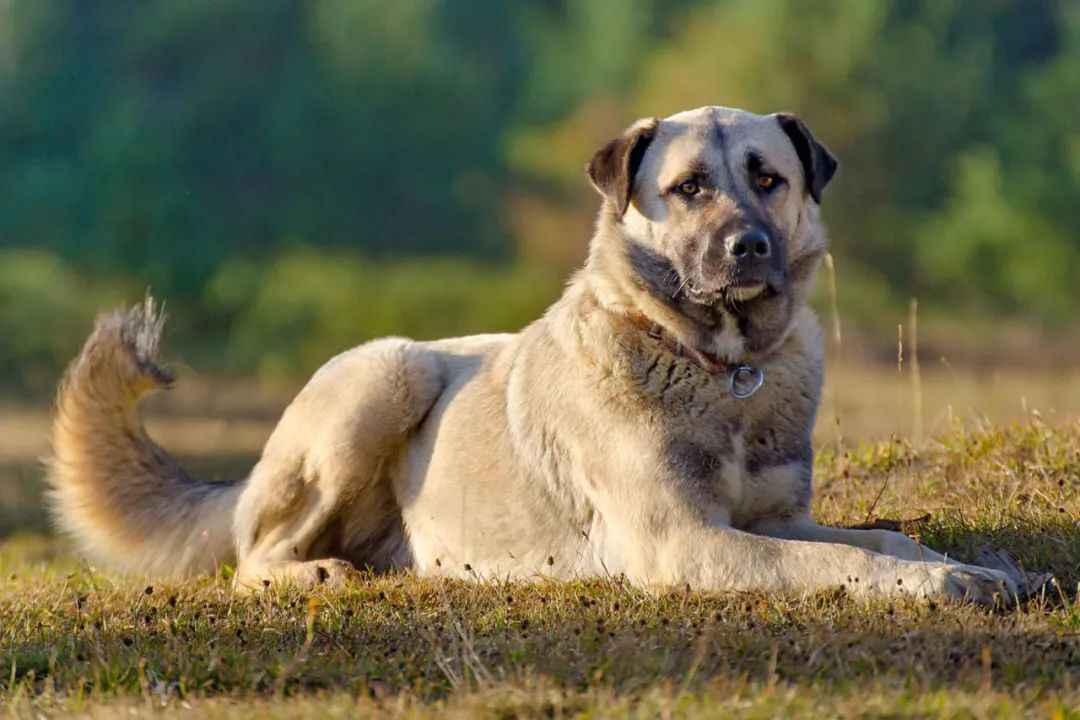
Anatolian Shepherd Dog: The Ancient Guardian of Livestock with Unwavering Loyalty
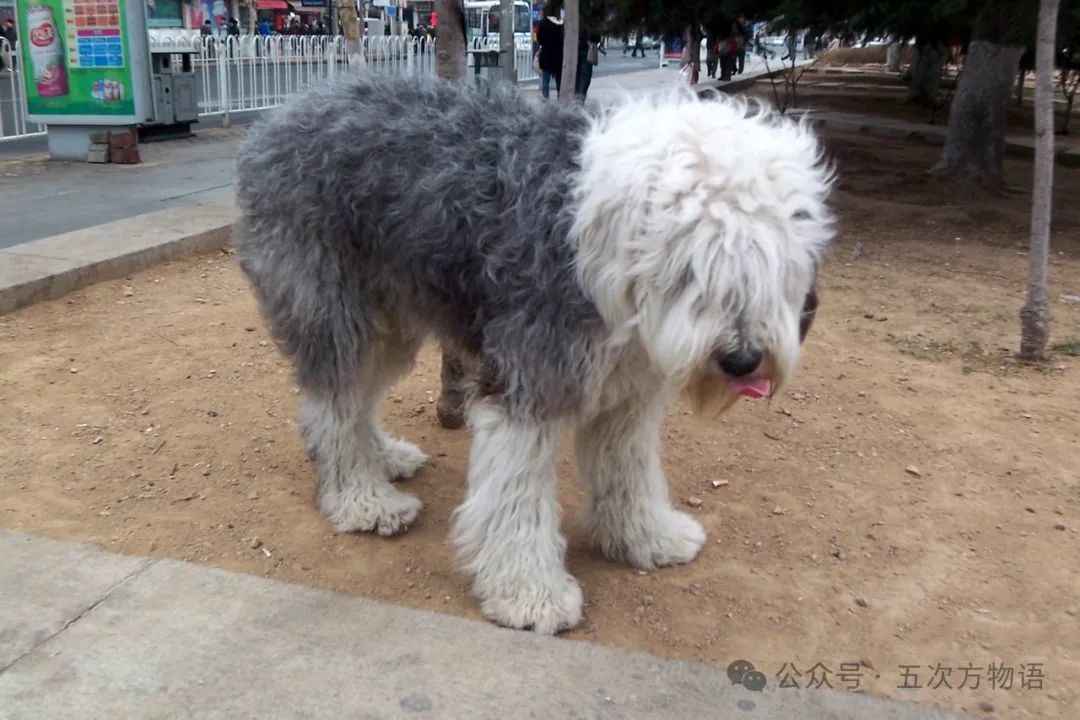
Originating from the Anatolian region of Turkey, the Anatolian Shepherd Dog is one of the world's oldest herding breeds, with a history dating back to the Babylonian period (2800–1800 BCE)12. Initially bred as military dogs for territorial defense, they transitioned to livestock guardianship in modern times1. Renowned for their protective instincts and independence, these dogs are widely used to shield flocks from predators like wolves and bears36.
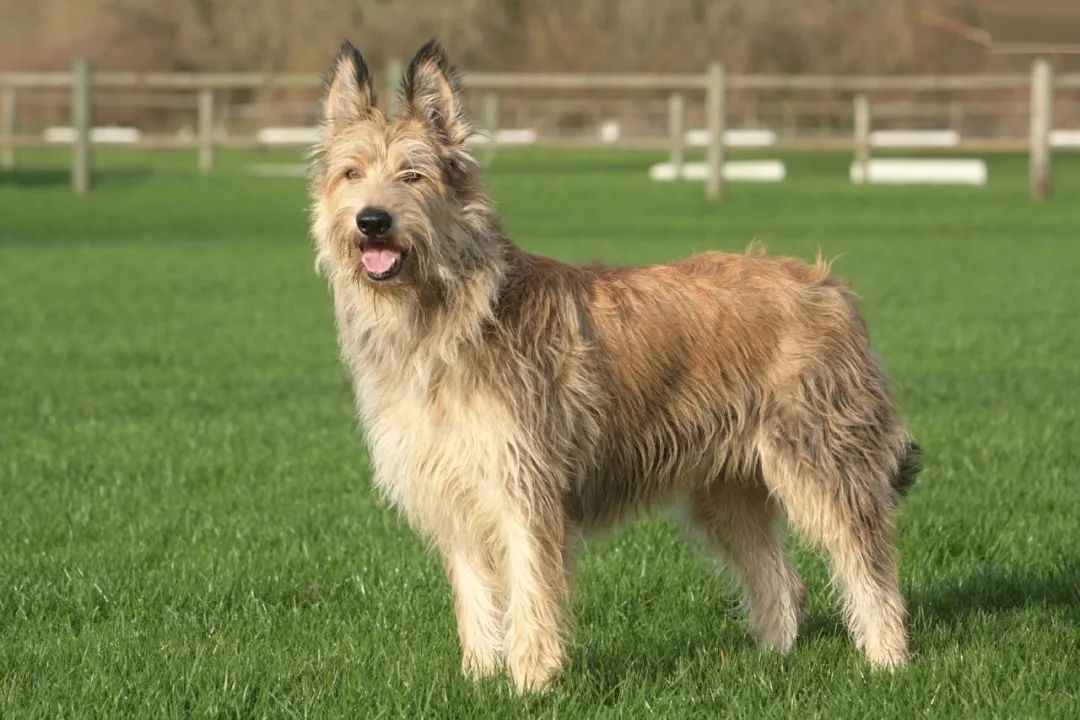
The Allure of the French Small Hound: The Unique World of the Petit Basset Griffon Vendeen
The Petit Basset Griffon Vendeen (PBGV for short) originates from the Vendée region of France, a historic scent hound with deep roots. Its name, meaning "small short-legged rough-haired hound from Vendée" in French, perfectly encapsulates the breed's core traits: a compact build (13-15 inches in height), short sturdy legs, and a rough, tousled coat that gives it the charm of a fairy-tale sprite.

Scotia Duck Tolling Retriever: The Canine Marvel of Coastal Canada
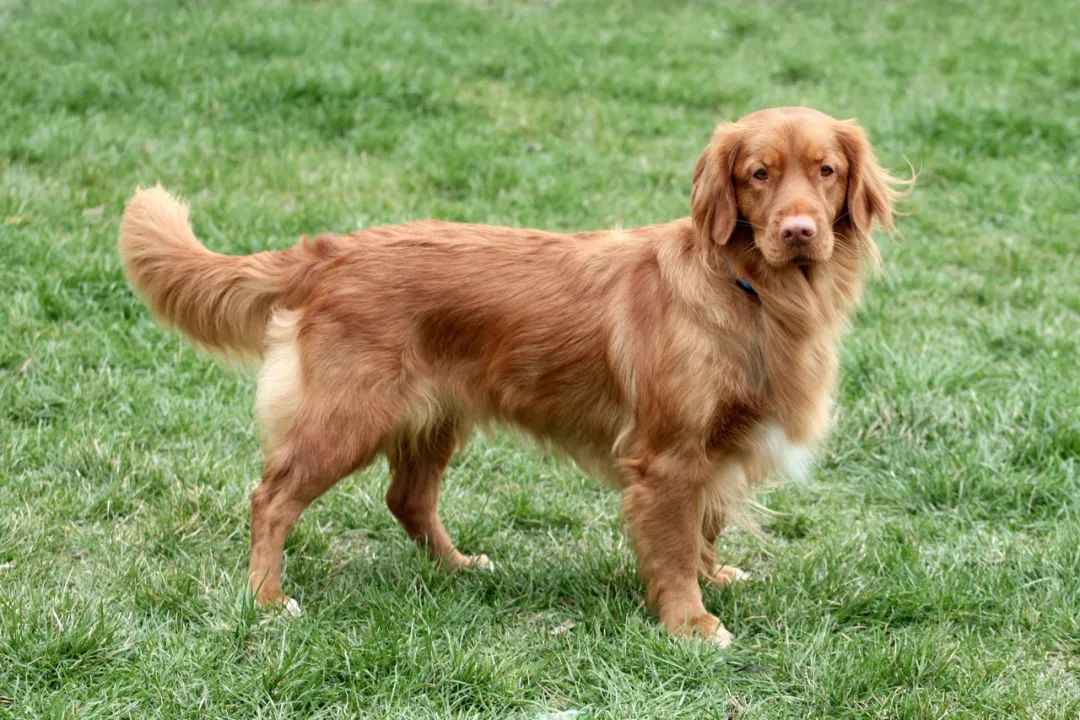
The Nova Scotia Duck Tolling Retriever, affectionately known as the "Toller," is a breed steeped in history and uniquely adapted to its coastal Canadian origins. Developed in the 19th century in Nova Scotia, these medium-sized dogs were meticulously bred for a specialized role: luring waterfowl within hunting range through playful antics, then retrieving downed birds with precision and enthusiasm 48. Their name itself reflects this dual purpose—"tolling" derived from the Middle English term for "to lure," while "retriever" highlights their aquatic recovery skills.
South Carolina’s Beloved Sporting Dog with Rich Heritage
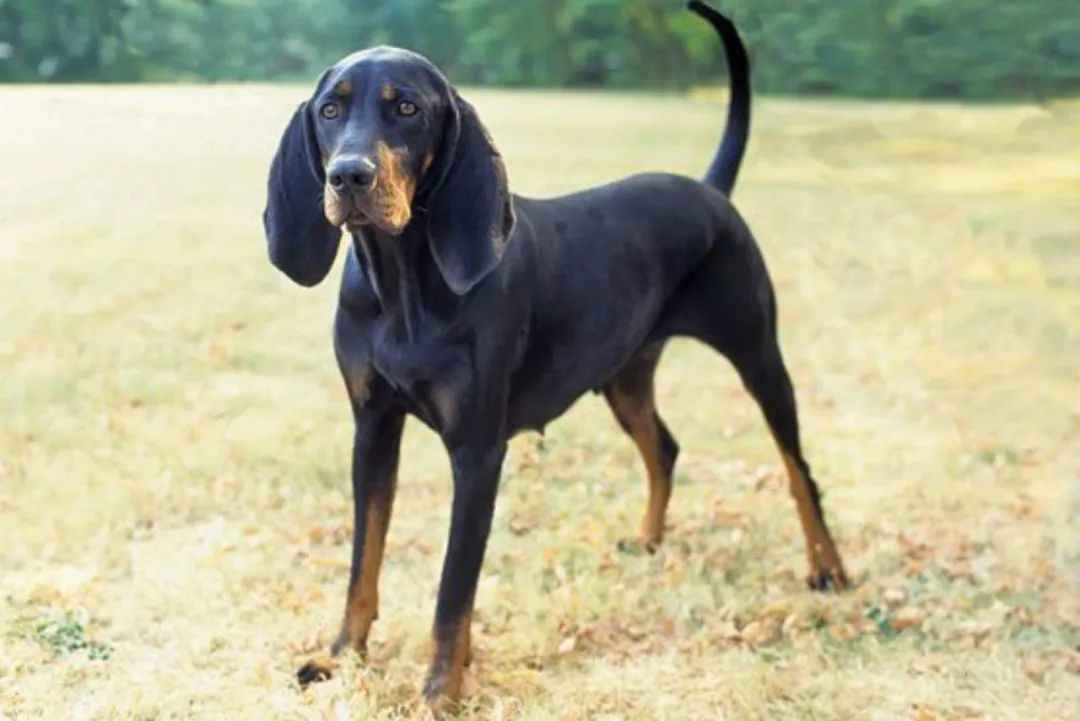
The Boykin Spaniel, affectionately known as the "Little Brown Dog," is a breed deeply rooted in South Carolina’s history and culture. Originating in the early 1900s, its story begins with a stray dog named "Dumpy," found by Alexander White in Spartanburg. Recognizing Dumpy’s hunting potential, White entrusted the dog to his friend Lemuel Whitaker Boykin, whose breeding program—incorporating Chesapeake Bay Retrievers, Springer Spaniels, and American Water Spaniels—gave birth to the Boykin Spaniel. In 1985, the breed was designated South Carolina’s official state dog, and it earned AKC recogniti

Curly-Coated Retriever: A Timeless Sporting Breed with a Rich Heritage
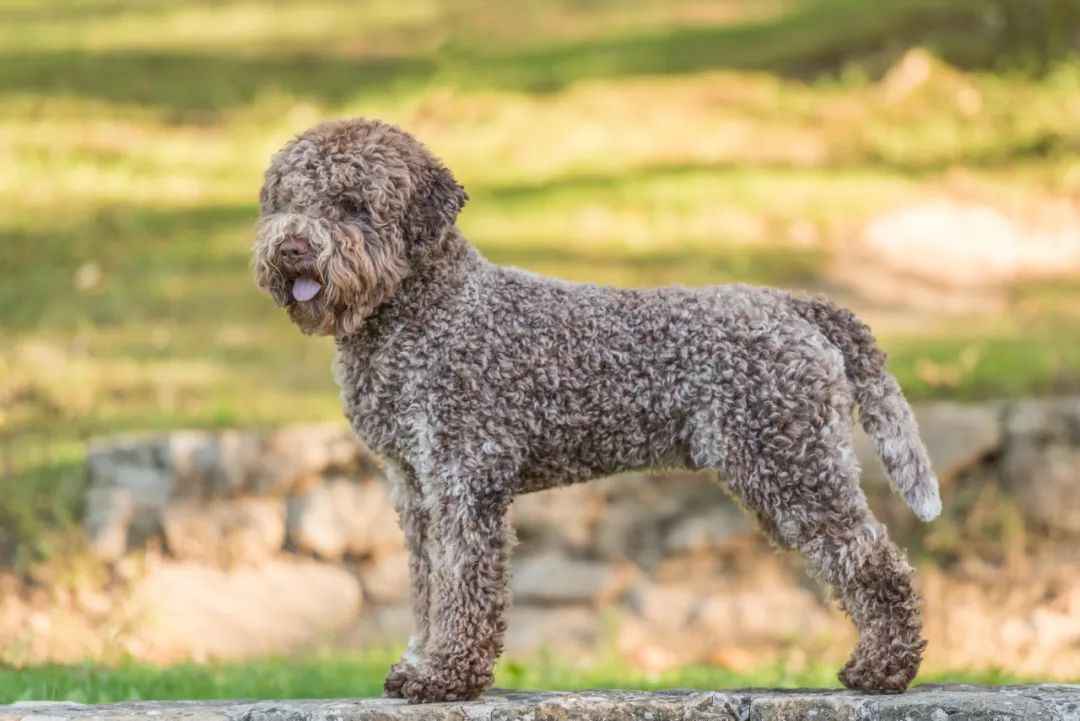
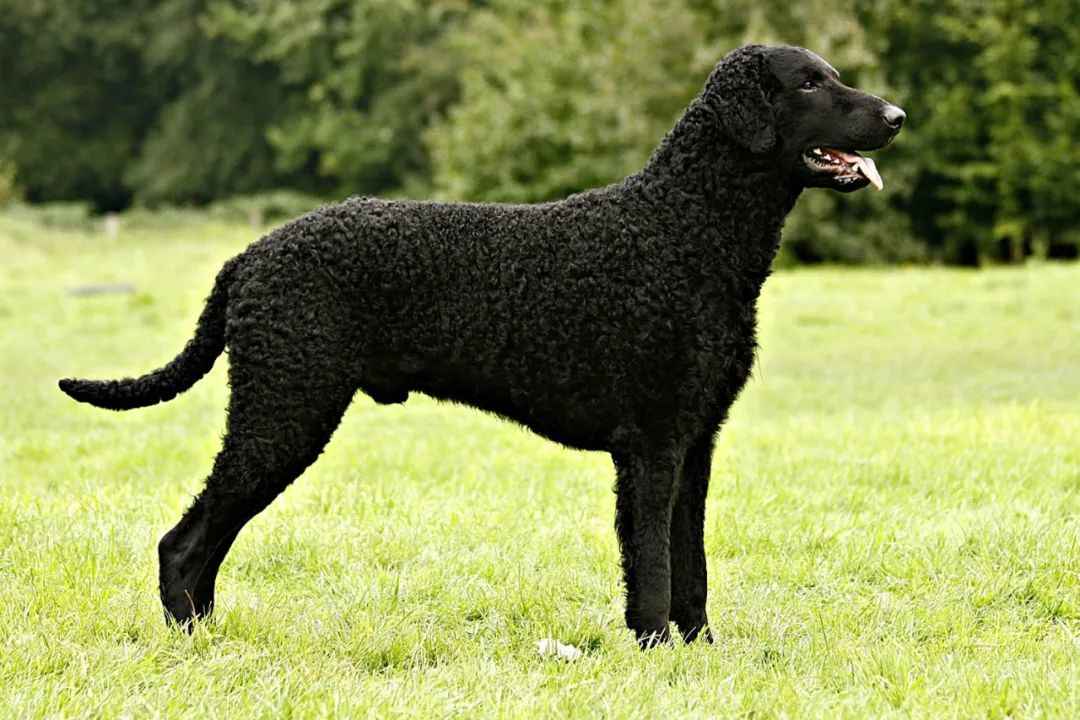
The Curly-Coated Retriever, one of the oldest retriever breeds, has captivated dog enthusiasts for centuries with its distinctive appearance and exceptional working abilities. Originating in 19th-century England, this breed was meticulously developed for waterfowl and upland bird hunting, combining traits from extinct English water spaniels, retrieving setters, and possibly poodles 12. Its tight, waterproof curls—a defining feature—provided protection in harsh weather and icy waters, while its athletic build and webbed feet ensured agility in both land and marsh environments 26.
The Majestic Guardian of the Alps
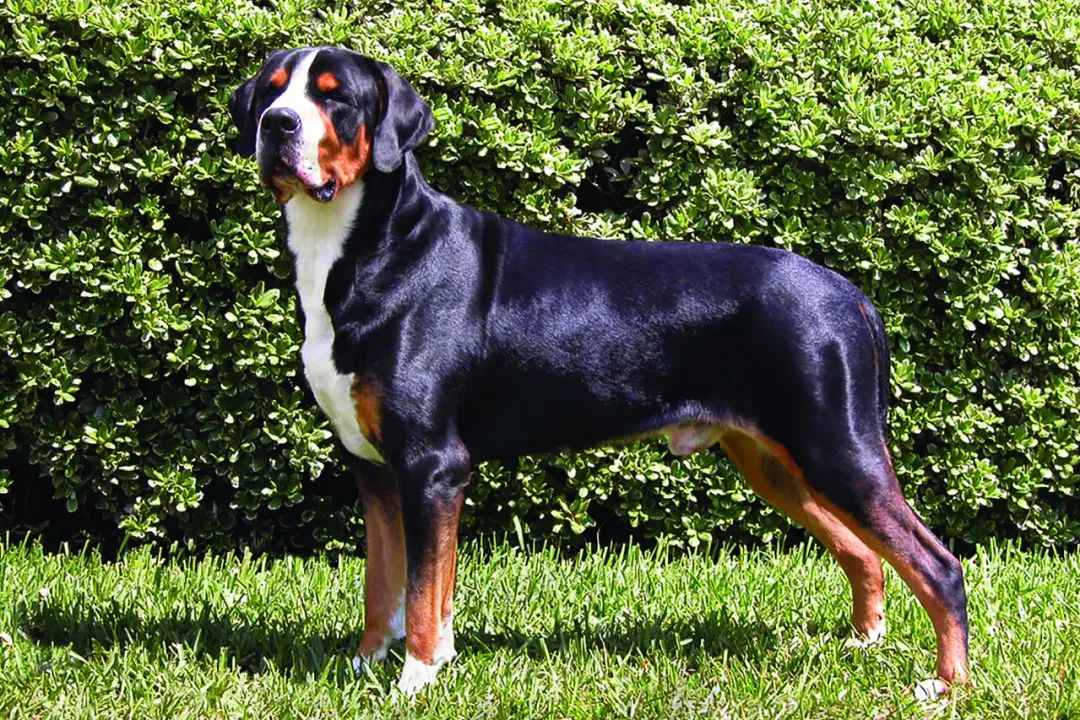
The Greater Swiss Mountain Dog, one of Switzerland's oldest breeds, traces its roots back to ancient Rome. In 58 BCE, Roman legions introduced mastiffs to the Swiss Alps, which interbred with local dogs to form this distinctive breed1. For centuries, they served as indispensable farmhands in remote Alpine regions, herding livestock, guarding homes, and pulling carts laden with goods14. By the late 19th century, industrialization nearly drove them to extinction until canine expert Dr. Albert Heim rediscovered the breed in 1908. The Swiss Kennel Club officially recognized it in 1910, and the Ame
Field Spaniel: A Resilient Sporting Breed with a Rich Heritage
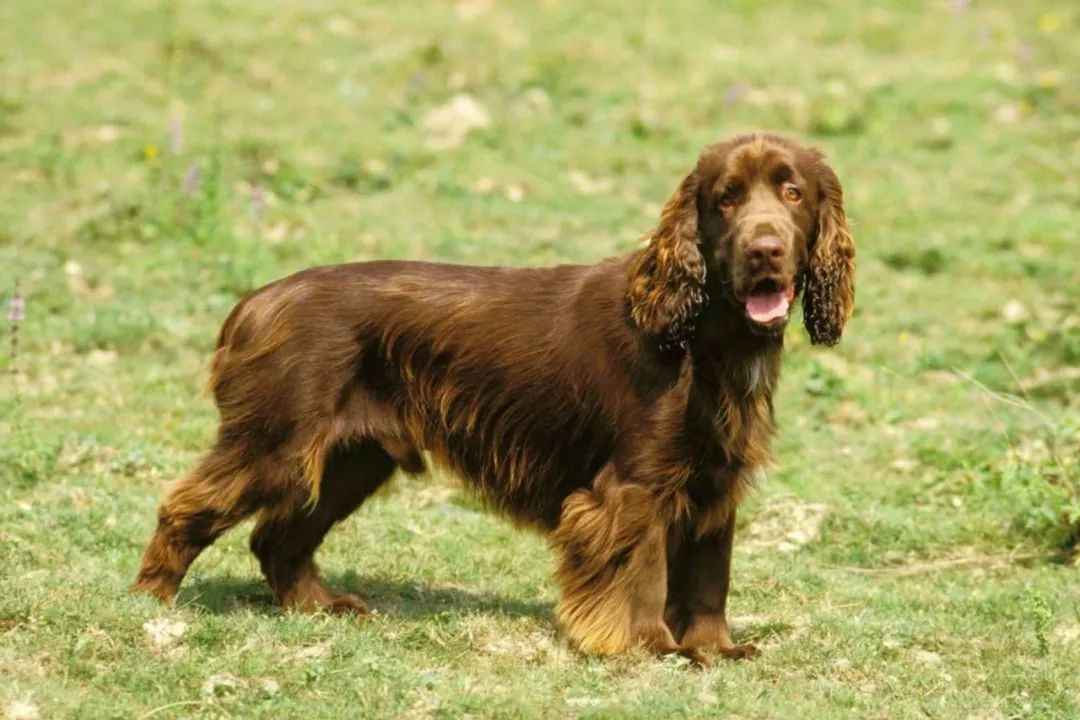
Originating in 19th-century England, the Field Spaniel is a medium-sized sporting dog developed through crosses of English Springer Spaniels, Cocker Spaniels, and Sussex Spaniels. Bred to excel in diverse terrains, this breed was officially recognized in 1892 for individuals exceeding 25 pounds, while smaller variants became English Cocker Spaniels23. However, excessive focus on exaggerated physical traits in early breeding led to health issues and near-extinction. A revival in the 1940s through selective crossbreeding with Cockers and Springers restored its functional form23.
From Royal Hunting Grounds to Loyal Companions in Modern Homes
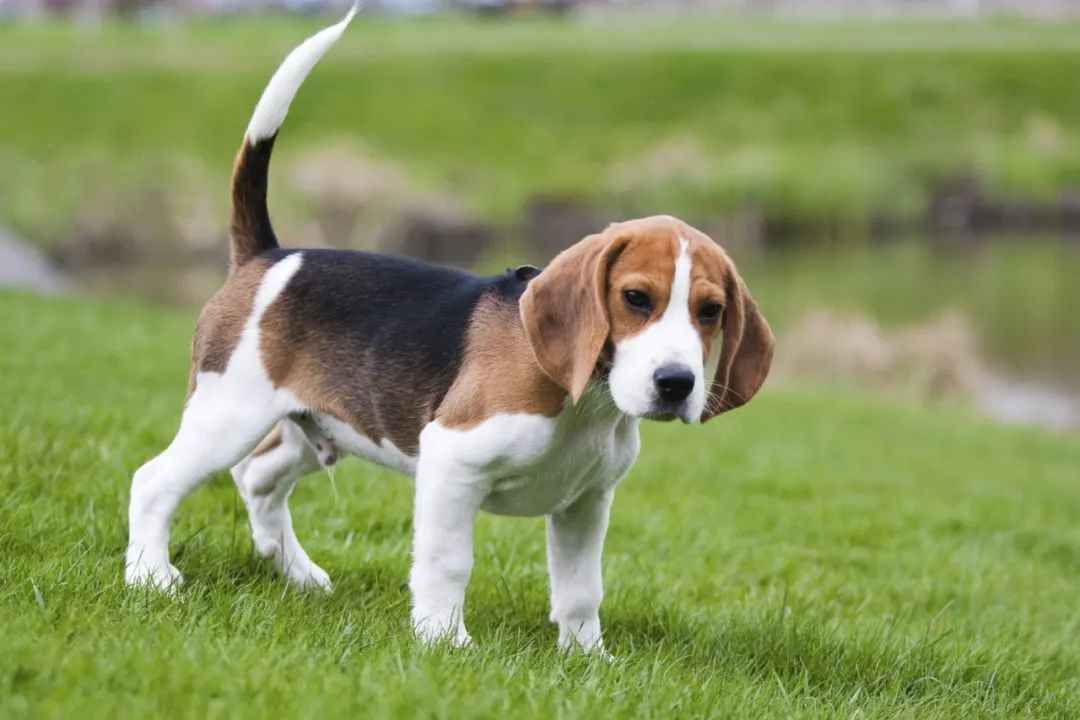
The English Beagle, a historic hound breed, traces its origins back to medieval England. Initially developed by crossbreeding ancient Greek harehounds with native English hounds, it was refined in the 16th century to specialize in hunting hares for British royalty, earning the nickname "rabbit killer." The breed was officially recognized by the American Kennel Club (AKC) in 1885, and over time, its role shifted from hunting to becoming a beloved family companion. In 2023, it ranked 8th among the most popular dog breeds in the U.S.