Charming Pembroke Welsh Corgi: A Beloved Breed with Royal Charms and Distinctive Traits


Canine News
Charming Pembroke Welsh Corgi: A Beloved Breed with Royal Charms and Distinctive Traits

The Pembroke Welsh Corgi, one of Britain’s most iconic dog breeds, has won global hearts with its adorable appearance, lively personality, and deep connection to the British royal family. Originating in Wales with a history spanning centuries, this small herding dog has evolved into a beloved companion for countless families worldwide.

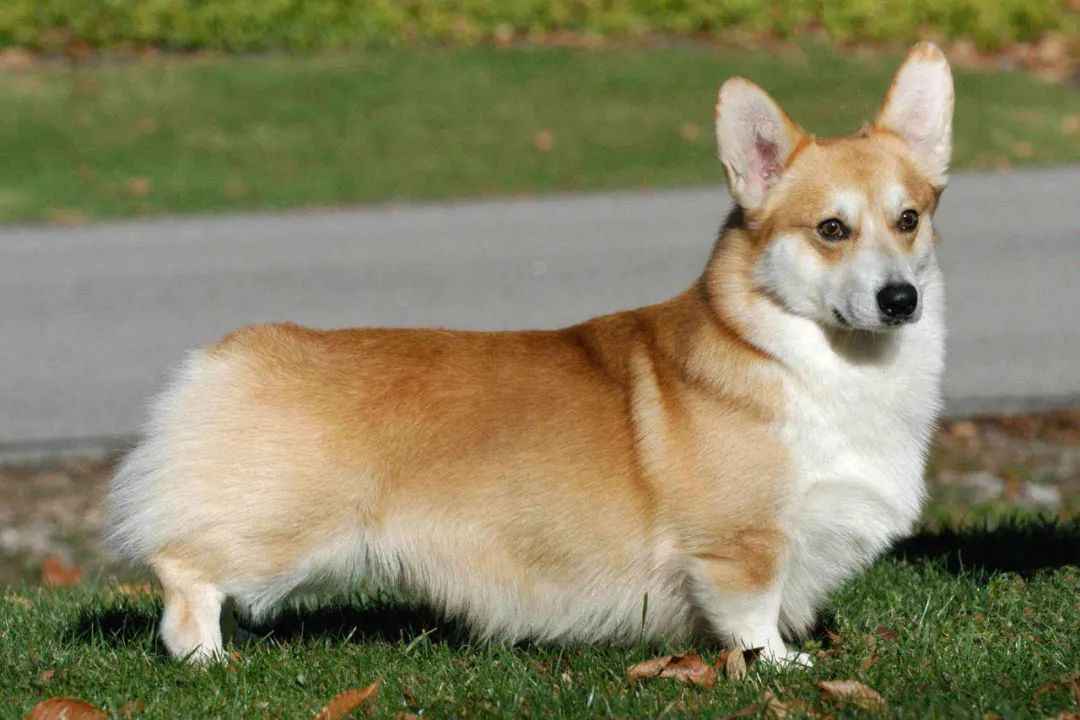
Physically, the Pembroke Corgi is instantly recognizable by its short, sturdy legs and well-proportioned body, creating a low-to-the-ground yet remarkably stable build. Its most striking features include large, upright ears that stand alert like sentinels, a fox-like pointed face, and round, inquisitive eyes that radiate intelligence. The coat is typically bicolored or tricolored—common combinations include fawn and white or black, tan, and white—with a coarse, weather-resistant texture ideal for outdoor work. Despite its compact size (adults stand 25-30 cm tall and weigh 10-14 kg), the breed boasts muscular strength and surprising agility.


In temperament, the Pembroke Corgi balances the intelligence of a working dog with the warmth of a companion animal. Bred for herding cattle, it retains exceptional obedience and problem-solving skills, using its nimble physique and courage to manage livestock. As a family pet, it is fiercely loyal and affectionate, particularly gentle with children, making it an ideal choice for households. Though energetic and requiring regular exercise, moderate walks and play sessions suffice, adapting well to urban lifestyles.


The breed’s association with the British royal family has significantly boosted its fame. Queen Elizabeth II’s lifelong love for Corgis—she owned over 30 during her reign—turned these dogs into global media stars, symbolizing both regal elegance and familial warmth. Today, Pembroke Corgis rank among the world’s most popular breeds, their endearing images gracing films, fashion, and social media as icons of “healing” pets.


While their charm is undeniable, responsible ownership involves health considerations, such as preventing obesity-related spinal issues and regular hip screenings. Nevertheless, the Pembroke Welsh Corgi’s blend of cuteness, intelligence, and loyalty continues to bring joy to families everywhere, solidifying its status as a unique and cherished “happy short-leg” in the canine world.

Latest Stories
Feline News2 minute readThe Korat cat, originating from Thailand’s Nakhon Ratchasima province (formerly Korat), is a breed deeply rooted in history and cultural significance. Revered for centuries as a symbol of good luck and prosperity, these silver-blue felines have enchanted the world with their striking appearance and affectionate nature.
Feline News2 minute readThe Burmese cat, a breed steeped in history and adored for its regal charm, continues to captivate cat lovers worldwide. Originating from Myanmar (formerly Burma), these medium-sized shorthairs are celebrated for their luxurious coat, affectionate demeanor, and intelligence. Here’s an in-depth look at this ancient breed, combining the latest research and international standards
Feline News2 minute readThe Russian Blue, with its silvery-blue coat and piercing emerald eyes, stands as a paragon of feline elegance, earning the title "Noble of the Shorthairs" 5. Originating from Arkhangelsk Port in Russia—once known as the "Blue Angel Harbor"—this ancient breed derived its name not from color but from its birthplace 3. In 1860, sailors introduced them to Europe, and they debuted at London's Crystal Palace Exposition in 1875 as "Archangel Cats," captivating audiences with their otherworldly allure
Astro Information1 minute readEnceladus, Saturn’s icy moon, harbors a subsurface ocean beneath tiger-stripe fractures that erupt icy particles into space. These geysers form a dense ice cloud over the south pole, feeding Saturn’s faint E ring. The Cassini spacecraft (2004–2017) provided definitive evidence, capturing this true-color, high-resolution image during a close flyby, revealing shadowed ice chasms and active vents.
Animal Information1 minute readNative to Africa, warthogs (Phacochoerus) earn their name from the fleshy facial warts beneath their eyes. Split into the common warthog and desert warthog, these ungulates have heads comprising one-third of their body length, with tusks reaching 64 cm. They subsist on grass roots and tubers, surviving months without water—adaptations that define their harsh savanna lifestyle.
Astro Information2 minute readA close-up from NASA’s Mars Reconnaissance Orbiter (MRO) HiRISE camera unveils the weathered craters and aeolian features of southern Acidalia Planitia. While standard HiRISE imagery often appears in striking blue tones—a result of multispectral processing to enhance geological details—the region would likely appear gray or pale red to human eyes. Of course, no human has yet witnessed this Martian landscape firsthand—unless we count Andy Weir’s fictional NASA astronaut in The Martian.
Feline News1 minute readDubbed the "parlor panther," the Bombay Cat captivates with its jet-black coat and mesmerizing copper-gold eyes, an uncanny resemblance to the wild black leopard. Originating in 1958, Kentucky breeder Nikki Horner meticulously crossed sable Burmese cats with black American Shorthairs, aiming to create a domestic feline embodying both exotic allure and gentle temperament. After years of selective breeding, her vision became reality, establishing the Bombay as a breed that bridges wild aesthetics with affectionate companionship.