North African Sloughi: The Graceful Desert Hunter with Ancient Origins


Canine News
North African Sloughi: The Graceful Desert Hunter with Ancient Origins

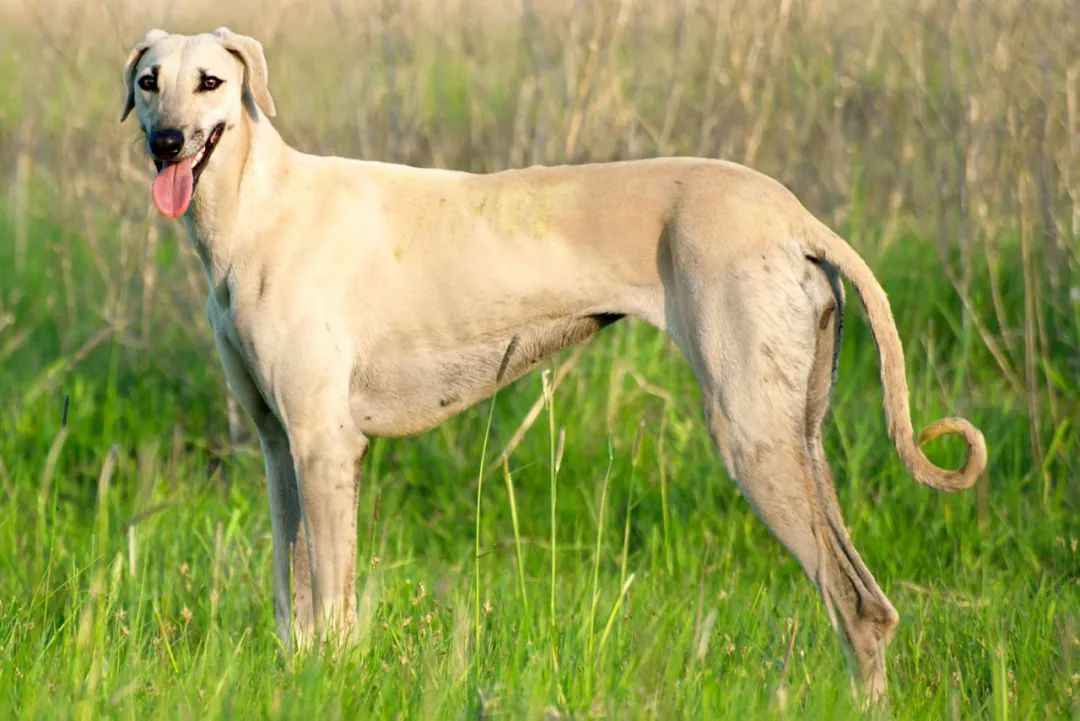
The Sloughi, often referred to as the "Arabian Greyhound," is a regal sighthound breed hailing from the deserts of North Africa, specifically Morocco, Algeria, Tunisia, and Libya 23. Contrary to its occasional mislabeling as a "North American hound," this ancient breed has thrived in arid landscapes for millennia, with roots traced back to 6000 BCE through historical records and archaeological evidence 24. Revered by Berber tribes, the Sloughi was prized for its exceptional speed, endurance, and keen eyesight, making it a formidable hunter of gazelles, hares, and foxes in harsh desert conditio

A Breed of Elegance and Utility

Standing at 24–29 inches tall and weighing 35–70 pounds, the Sloughi boasts a lean, muscular build with a short, smooth coat in sandy or reddish hues, often accented by black masks or mantles 57. Its graceful, floating gait allows it to cover vast distances efficiently, while its deep chest and powerful legs enable explosive bursts of speed 711. Beyond hunting, Sloughis served as loyal protectors of nomadic camps, displaying intelligence and unwavering loyalty to their human companions 312.

Modern Adaptation and Challenges

Introduced to the United States in 1973, the Sloughi gained AKC recognition in 2016, marking its ascent into global prominence 414. Despite its growing popularity, the breed remains rare, with fewer than 2,000 registered dogs worldwide 8. Today, Sloughis thrive as versatile companions, excelling in lure coursing, agility, and obedience trials while adapting to both rural and urban environments—though they require ample exercise to satisfy their high energy levels 512.

Health and Care Considerations

While generally robust, Sloughis are prone to specific health issues, including progressive retinal atrophy (PRA), a genetic eye disease that can lead to blindness, and gastric torsion (bloat), a life-threatening condition requiring immediate veterinary intervention 56. Breeders prioritize DNA testing to mitigate these risks, and owners are advised to monitor diet, avoid overfeeding, and provide regular veterinary check-ups 67. Additionally, Sloughis exhibit sensitivity to anesthesia, necessitating specialized care during medical procedures 59.

A Loyal and Reserved Companion

Known for their calm demeanor indoors, Sloughis form deep bonds with their families but remain reserved toward strangers 712. Early socialization and gentle training are crucial to nurture their affectionate nature while managing their strong prey drive, which may lead them to chase small animals 59. Though not ideal for first-time owners due to their independent streak, Sloughis reward dedicated handlers with unwavering devotion and a unique blend of desert-bred resilience and refined elegance 1213.


In essence, the Sloughi embodies a living link to ancient hunting traditions, blending functional prowess with a striking aesthetic. As conservation efforts continue to safeguard this rare breed, the Sloughi’s journey from North African deserts to global households stands as a testament to its enduring allure and adaptability.
Latest Stories
Feline News2 minute readThe Korat cat, originating from Thailand’s Nakhon Ratchasima province (formerly Korat), is a breed deeply rooted in history and cultural significance. Revered for centuries as a symbol of good luck and prosperity, these silver-blue felines have enchanted the world with their striking appearance and affectionate nature.
Feline News2 minute readThe Burmese cat, a breed steeped in history and adored for its regal charm, continues to captivate cat lovers worldwide. Originating from Myanmar (formerly Burma), these medium-sized shorthairs are celebrated for their luxurious coat, affectionate demeanor, and intelligence. Here’s an in-depth look at this ancient breed, combining the latest research and international standards
Feline News2 minute readThe Russian Blue, with its silvery-blue coat and piercing emerald eyes, stands as a paragon of feline elegance, earning the title "Noble of the Shorthairs" 5. Originating from Arkhangelsk Port in Russia—once known as the "Blue Angel Harbor"—this ancient breed derived its name not from color but from its birthplace 3. In 1860, sailors introduced them to Europe, and they debuted at London's Crystal Palace Exposition in 1875 as "Archangel Cats," captivating audiences with their otherworldly allure
Astro Information1 minute readEnceladus, Saturn’s icy moon, harbors a subsurface ocean beneath tiger-stripe fractures that erupt icy particles into space. These geysers form a dense ice cloud over the south pole, feeding Saturn’s faint E ring. The Cassini spacecraft (2004–2017) provided definitive evidence, capturing this true-color, high-resolution image during a close flyby, revealing shadowed ice chasms and active vents.
Animal Information1 minute readNative to Africa, warthogs (Phacochoerus) earn their name from the fleshy facial warts beneath their eyes. Split into the common warthog and desert warthog, these ungulates have heads comprising one-third of their body length, with tusks reaching 64 cm. They subsist on grass roots and tubers, surviving months without water—adaptations that define their harsh savanna lifestyle.
Astro Information2 minute readA close-up from NASA’s Mars Reconnaissance Orbiter (MRO) HiRISE camera unveils the weathered craters and aeolian features of southern Acidalia Planitia. While standard HiRISE imagery often appears in striking blue tones—a result of multispectral processing to enhance geological details—the region would likely appear gray or pale red to human eyes. Of course, no human has yet witnessed this Martian landscape firsthand—unless we count Andy Weir’s fictional NASA astronaut in The Martian.
Feline News1 minute readDubbed the "parlor panther," the Bombay Cat captivates with its jet-black coat and mesmerizing copper-gold eyes, an uncanny resemblance to the wild black leopard. Originating in 1958, Kentucky breeder Nikki Horner meticulously crossed sable Burmese cats with black American Shorthairs, aiming to create a domestic feline embodying both exotic allure and gentle temperament. After years of selective breeding, her vision became reality, establishing the Bombay as a breed that bridges wild aesthetics with affectionate companionship.