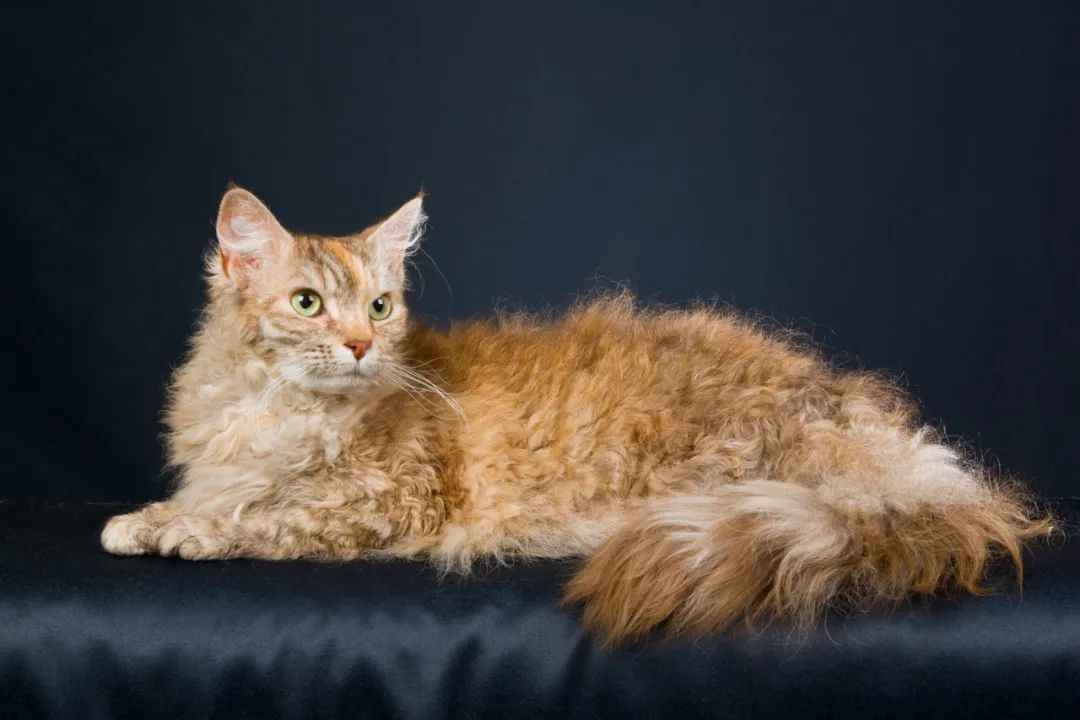
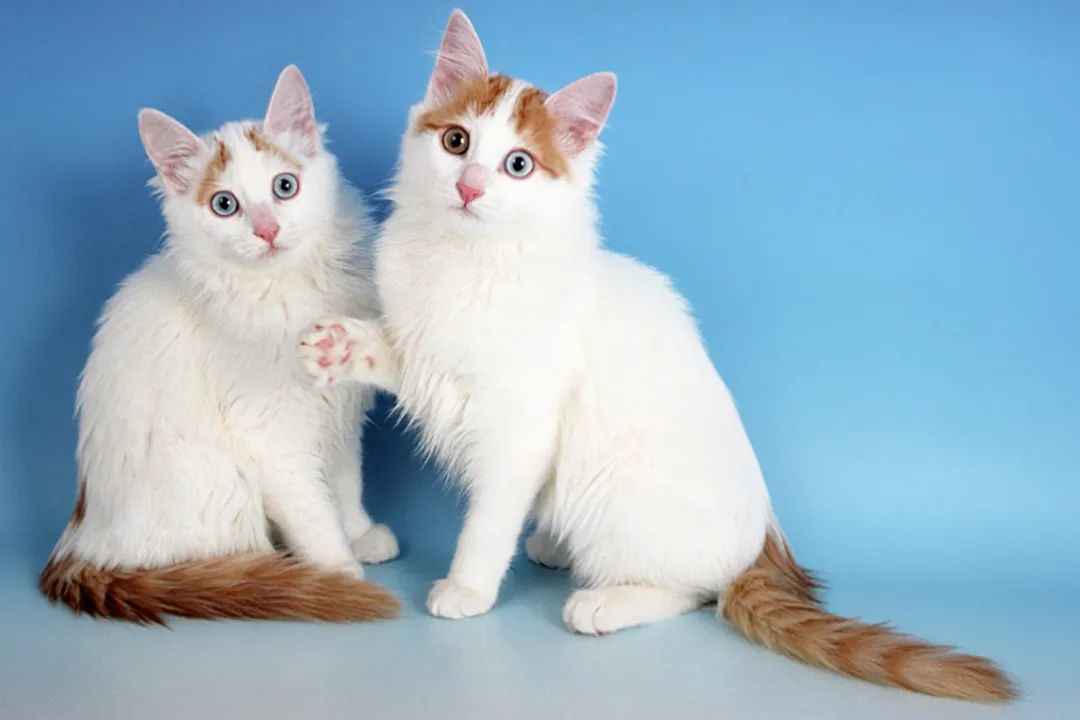
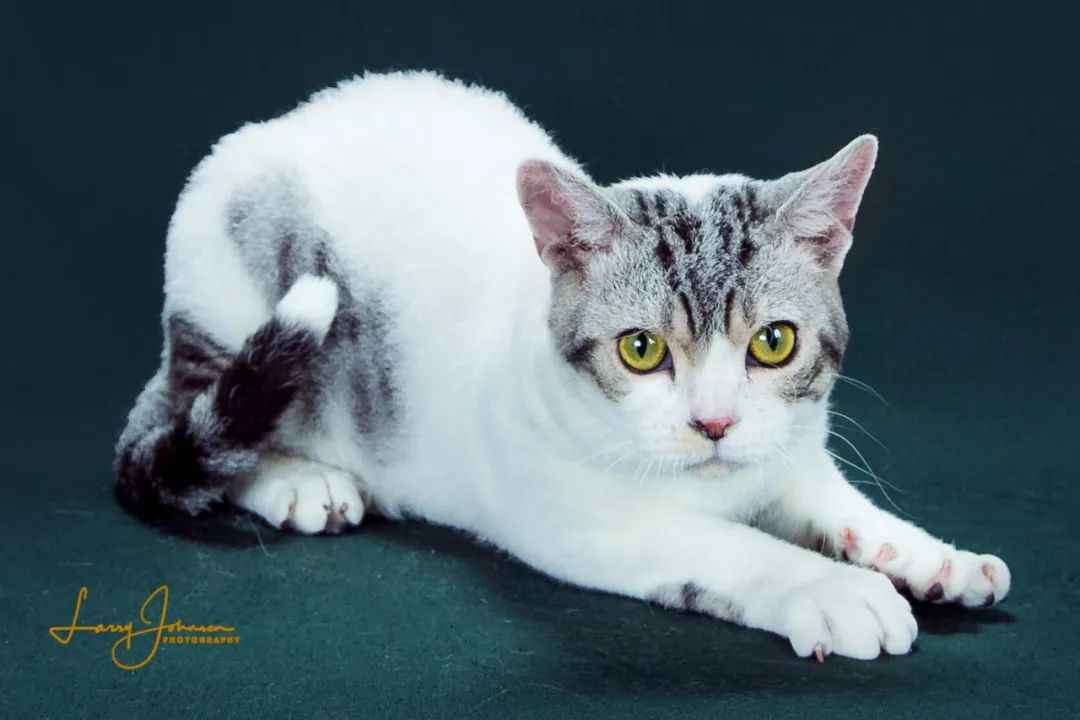
Unique American Wirehair Cat: A Rustic Charm from New York’s Barns
The American Wirehair, a feline breed born from a genetic quirk, has captivated cat lovers with its distinctive wiry coat and easygoing personality. Originating in 1966 on a farm in Verona, New York, this breed traces its roots to a single surviving kitten named Adam, whose crimped fur and curly whiskers set him apart from his littermates . Rescued by breeder Joan O’Shea, Adam became the foundation of a breeding program that blended his unique traits with American Shorthairs, solidifying the breed’s genetic legacy .
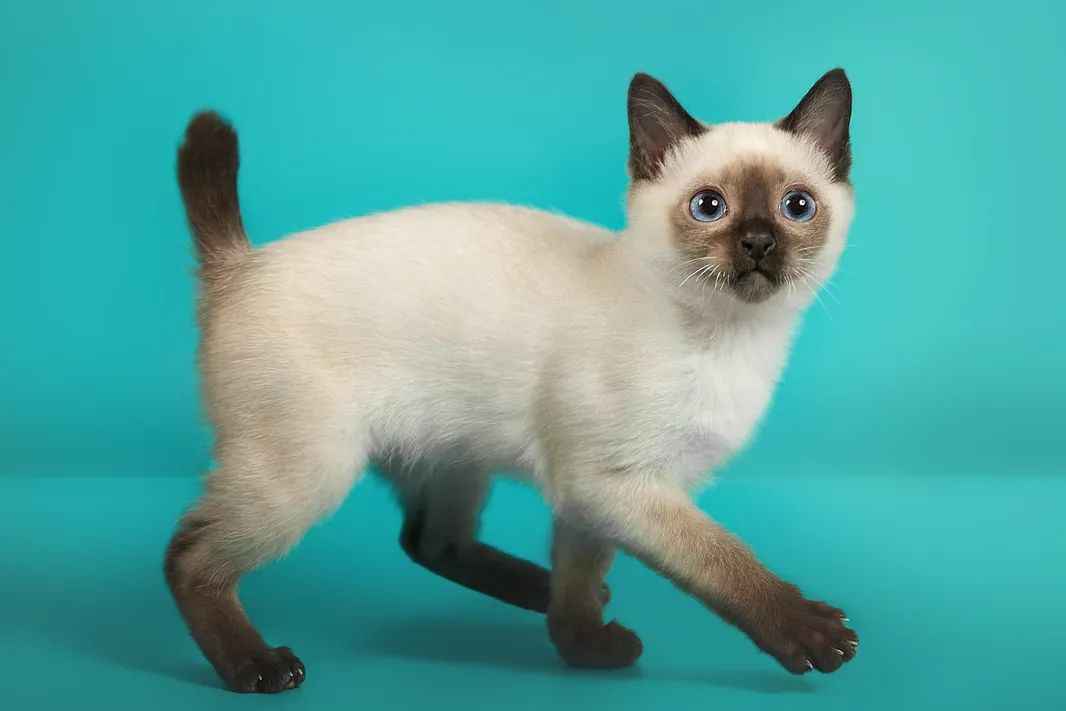
Toybob:Small Body, Big Heart
The Toybob, officially recognized by the Cat Fanciers' Association (CFA) as one of the world's smallest cat breeds, has captivated cat lovers globally with its unique bobbed tail and perpetual kitten-like appearance. Originating in Russia in 1983, this diminutive feline combines compact size with surprising strength, making it a standout companion.
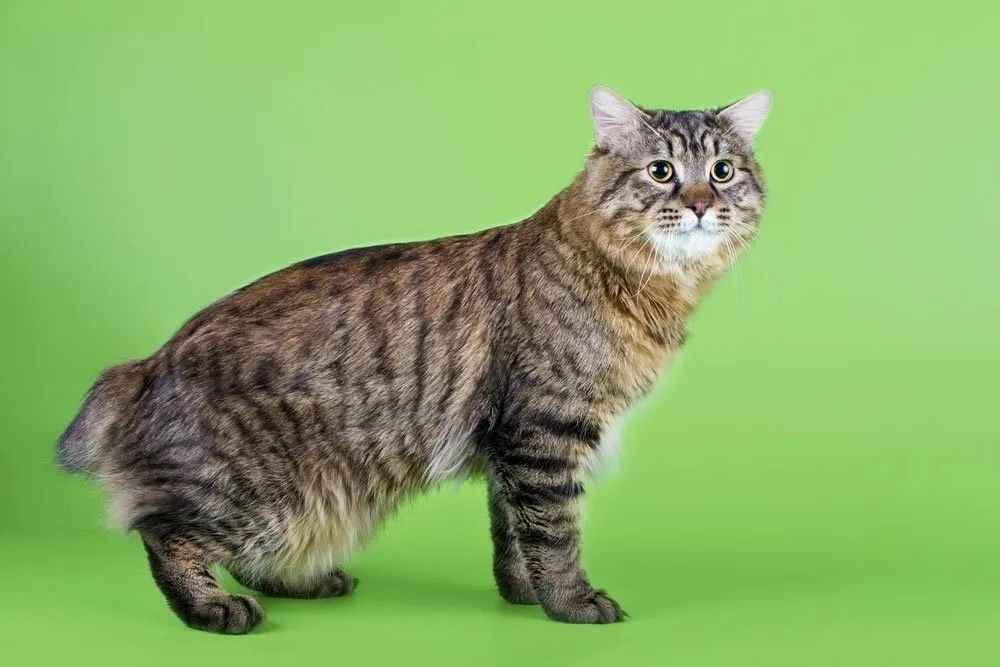
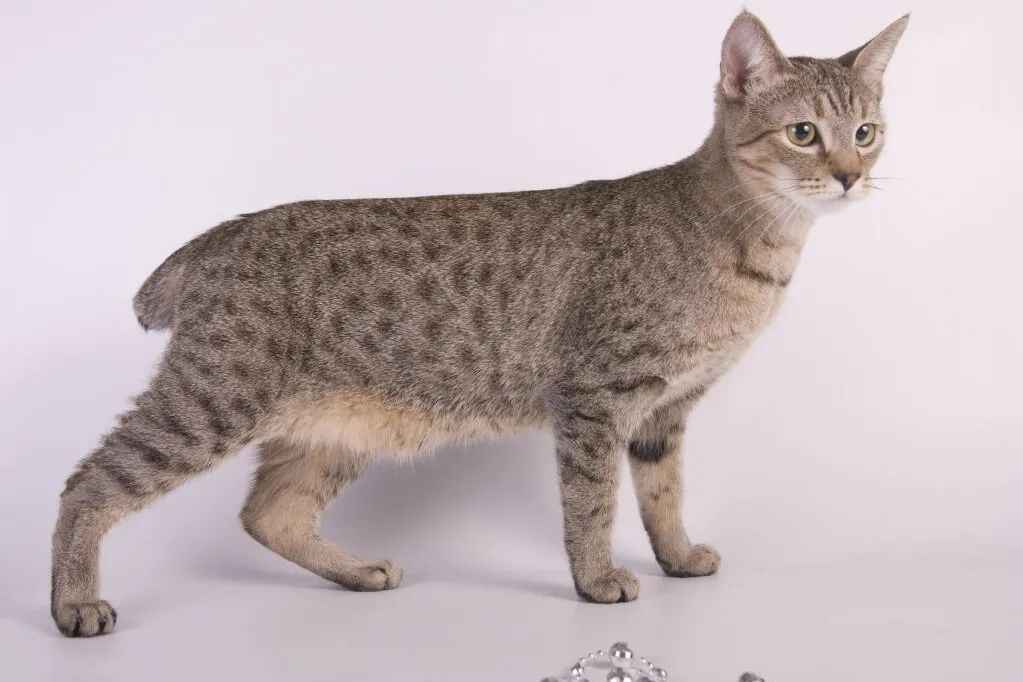
American Bobtail Shorthair: The Unique Feline Breed with a Wild Look and Gentle Heart
The American Bobtail Shorthair, a breed born from a serendipitous genetic mutation, has captivated cat lovers worldwide with its distinctive appearance and affectionate demeanor. Originating in the late 1960s when a short-tailed tabby kitten named Yodi was discovered on an Arizona reservation, this breed traces its roots to a chance encounter that sparked a remarkable breeding program . Yodi was paired with a domestic cat named Mishi, and their offspring—characterized by short, upright tails—laid the foundation for what would become the American Bobtail. Recognized by The International Cat Ass
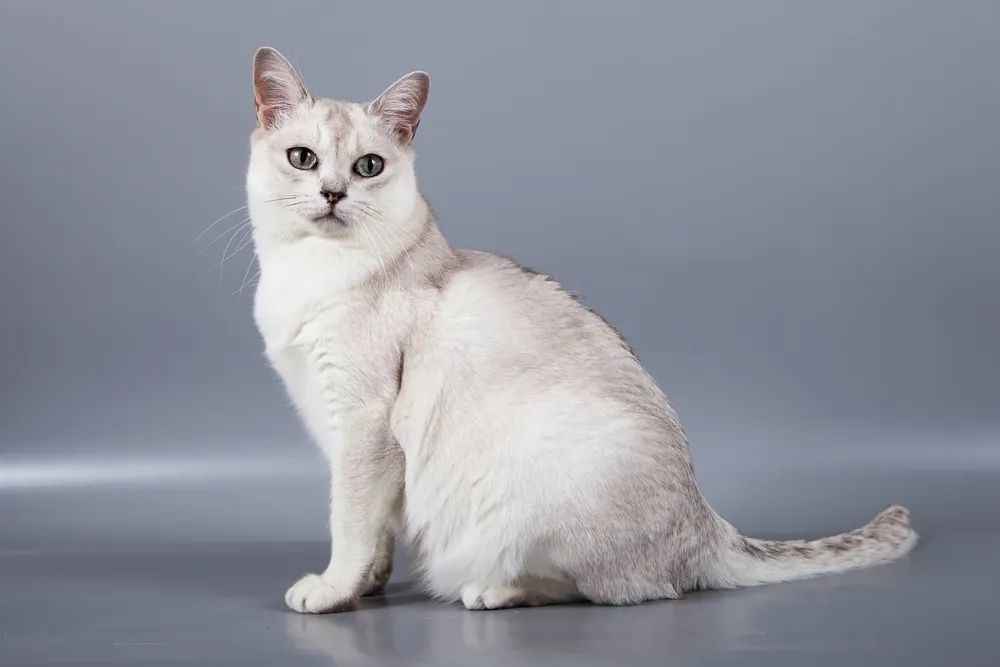
British Longhair: The Perfect Blend of Grace and Gentleness
The British Longhair, a long-haired variant of the British Shorthair, has emerged as a beloved breed worldwide, celebrated for its round features and serene demeanor. Originating in the mid-20th century, breeders crossed British Shorthairs with long-haired breeds like Persians and Turkish Angoras to retain the Shorthair’s robust build while introducing luxurious long fur. In 2021, the Governing Council of the Cat Fancy (GCCF) officially recognized it as an independent breed with championship status, solidifying its global acceptance.
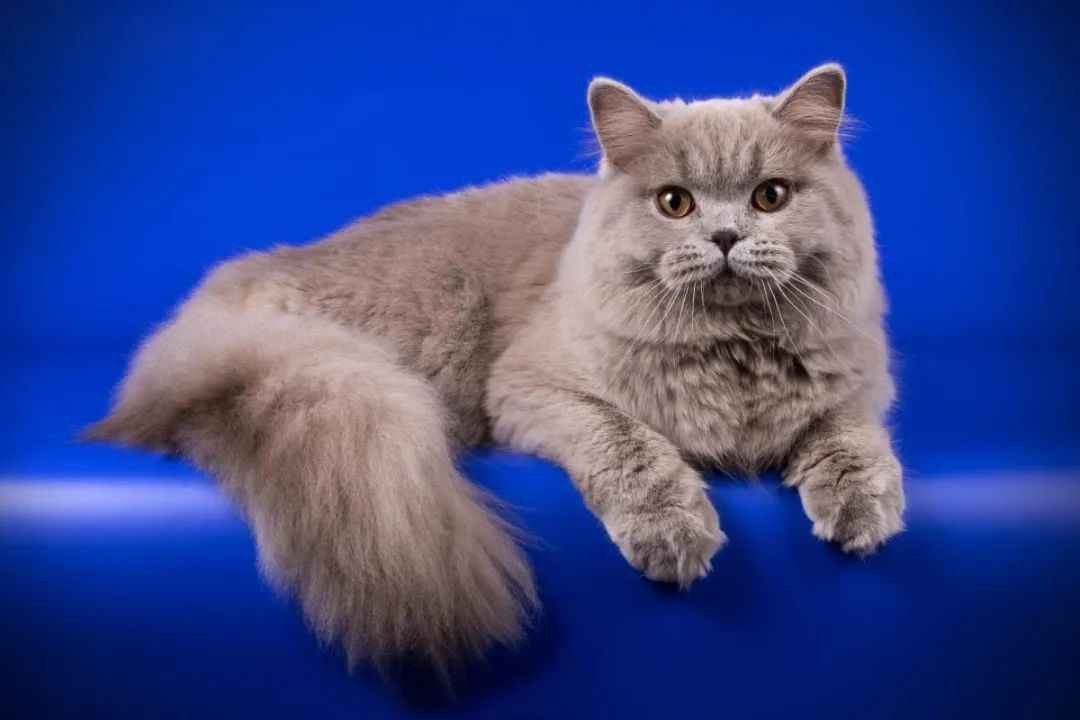
Exotic and Athletic: The Chausie Cat Breed Explored
The Chausie, a hybrid feline with roots tracing back to the wild jungle cat (Felis chaus), has captivated cat enthusiasts with its striking appearance and dynamic personality. Developed by breeding jungle cats with domestic breeds like the Abyssinian, this breed offers a unique blend of wild allure and domestic charm, recognized by the International Cat Association (TICA) since 1995 and achieving championship status in 2013.
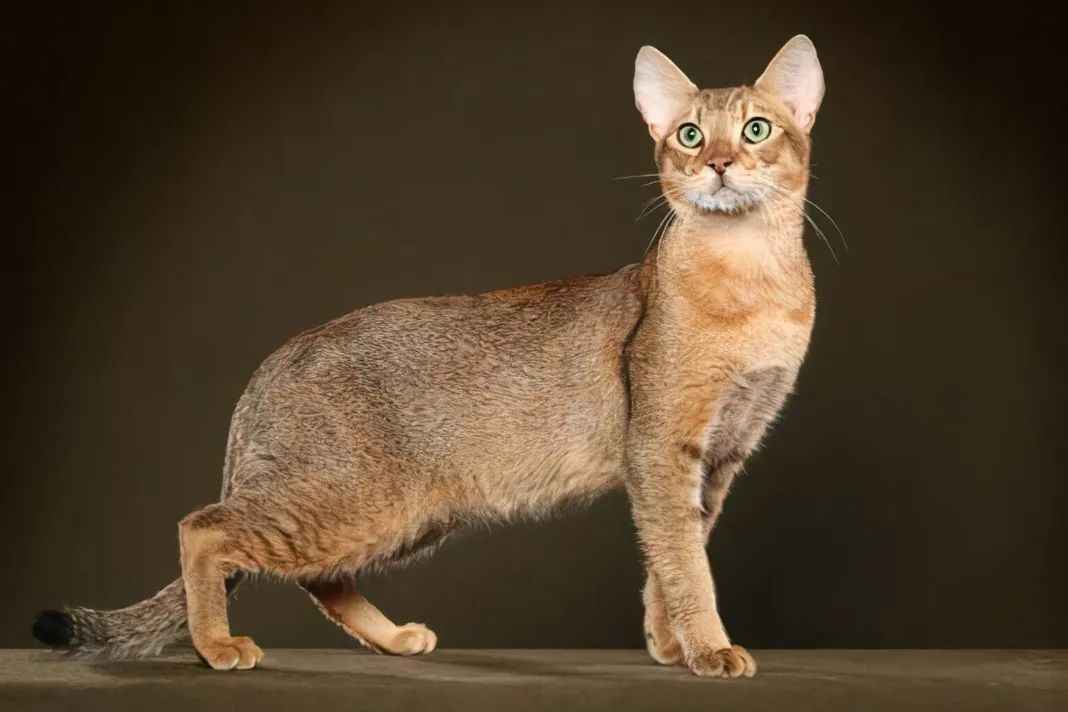
Toyger: Bringing the Wild Tiger's Aura to Your Living Room
In the world of domestic cats, one breed stands out for its striking resemblance to the wild tiger—the Toyger. Developed in the 1980s by American breeder Judy Sugden, this unique feline was crafted with a clear vision: to create a house cat that embodies the majesty of its larger, wild cousin while maintaining a gentle, companionable nature.
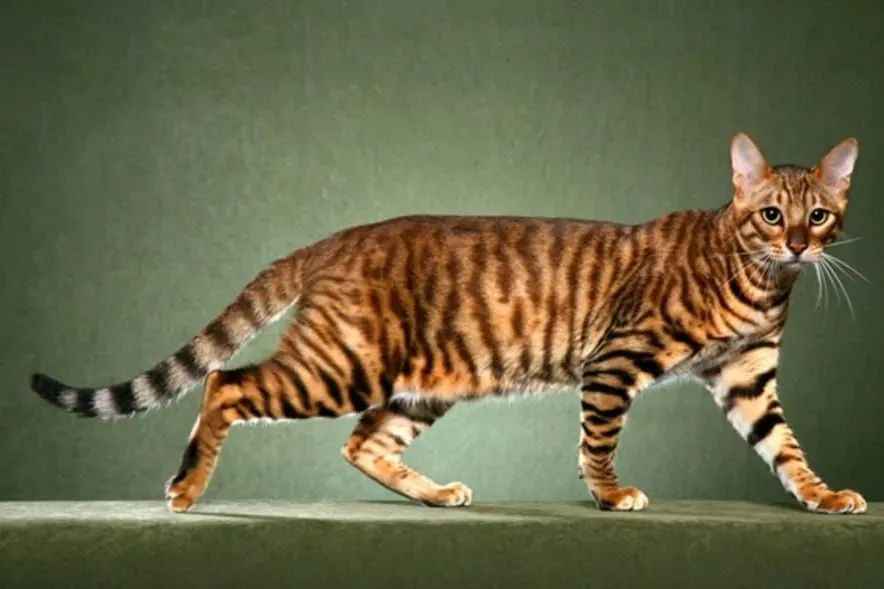
Majestic Cymric Cats: The Graceful, Tailless Marvels of Feline Affection
The Cymric, a breed celebrated for its distinctive tailless or short-tailed physique and luxurious long fur, has captivated cat enthusiasts worldwide. Originating from Canada in the 1960s as a long-haired variant of the Manx cat, the Cymric emerged when breeders noticed 长毛 kittens in litters of short-haired Manx cats. Named after the Celtic word for Wales, Cymric, the breed was officially recognized by the Cat Fanciers' Association (CFA) and quickly gained popularity for its unique appearance and gentle demeanor.
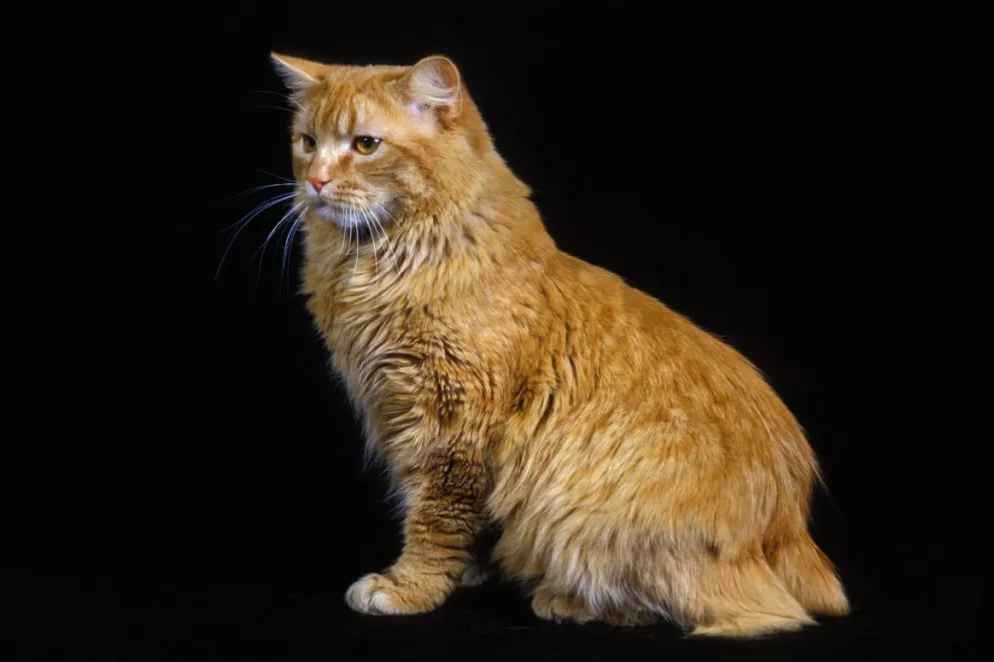
Meet the Donskoy: Russia’s Enigmatic Hairless Cat Breed
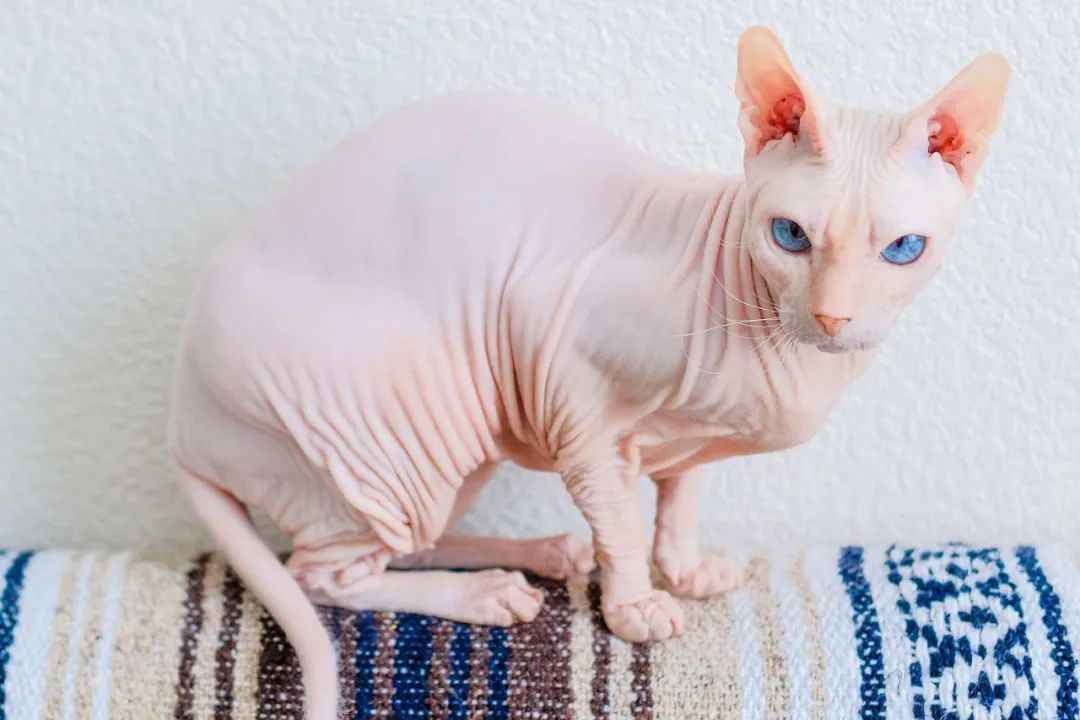
Originating from the city of Rostov-on-Don in Russia, the Donskoy cat, also known as the Don Sphynx, has captivated feline enthusiasts worldwide with its unique appearance and affectionate demeanor. First discovered in 1987 when Professor Elena Kovaleva rescued a hairless kitten named Varvara, the breed emerged from a natural genetic mutation that resulted in a lack of fur. Varvara’s subsequent litters produced both haired and hairless kittens, leading breeder Irina Nemykina to develop the Donskoy through selective breeding with European Shorthairs. Recognized by The International Cat Associat