Mystery Unveiled: The Enigmatic LaPerm Cat Breed Takes the World by Storm


Feline News
Mystery Unveiled: The Enigmatic LaPerm Cat Breed Takes the World by Storm

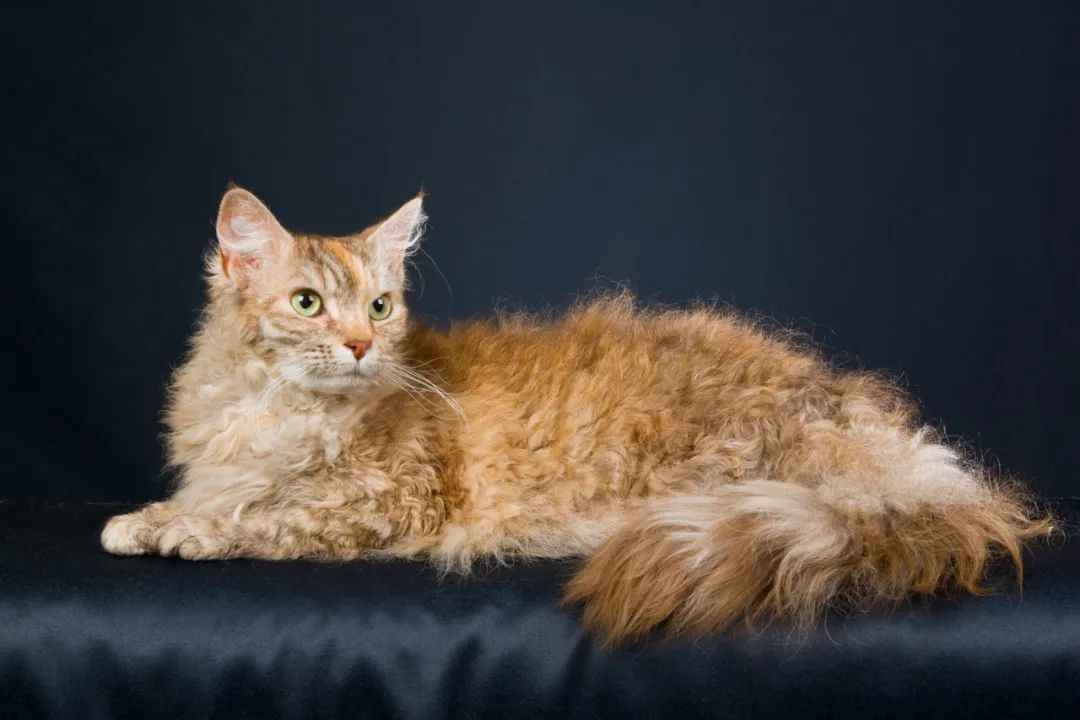
In 1982, a bald kitten with an unusual genetic mutation emerged in a barn on an Oregon cherry farm, marking the accidental birth of one of the world’s most distinctive feline breeds—the LaPerm. This curly-coated wonder, named for its "wavy" or "rippled" fur, has since captivated cat lovers globally with its unique appearance and playful personality .

Origins and Physical Marvels

The breed’s story began when farm cat Speedy gave birth to a hairless female kitten who, within eight weeks, developed a soft, curly coat. Breeders Linda and Richard Koehl, alongside geneticist Solvieg Pfleuger, dedicated years to stabilizing the mutation. By 1997, the LaPerm Society of America was established, and the breed earned Championship status from the Cat Fanciers’ Association in 2008 .


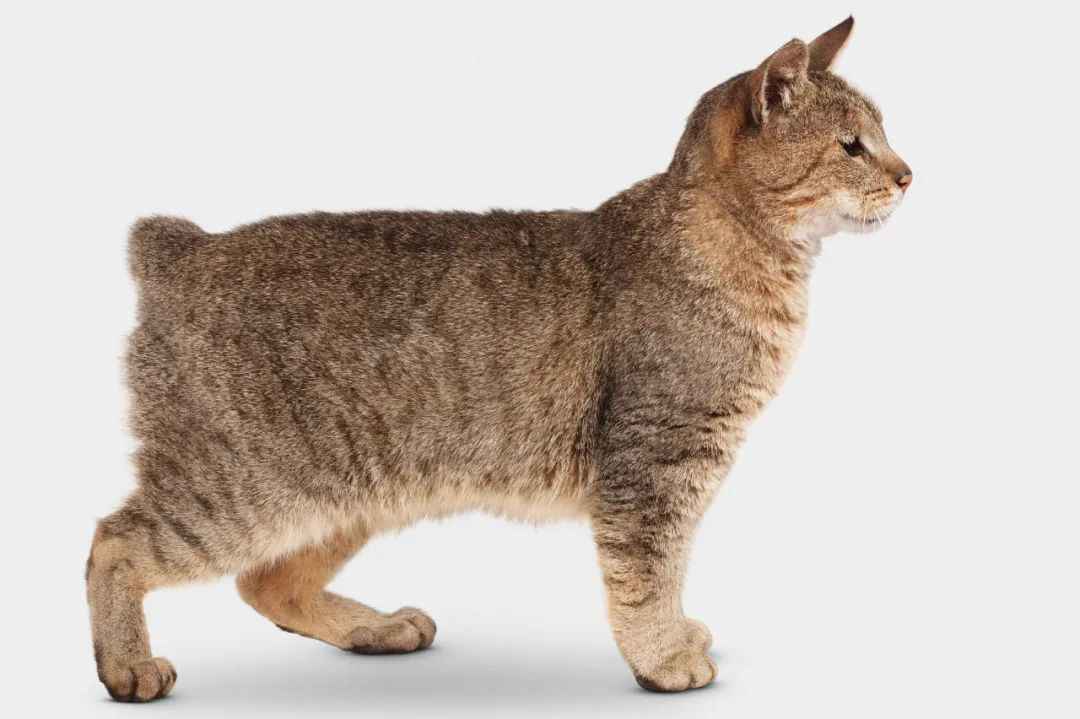
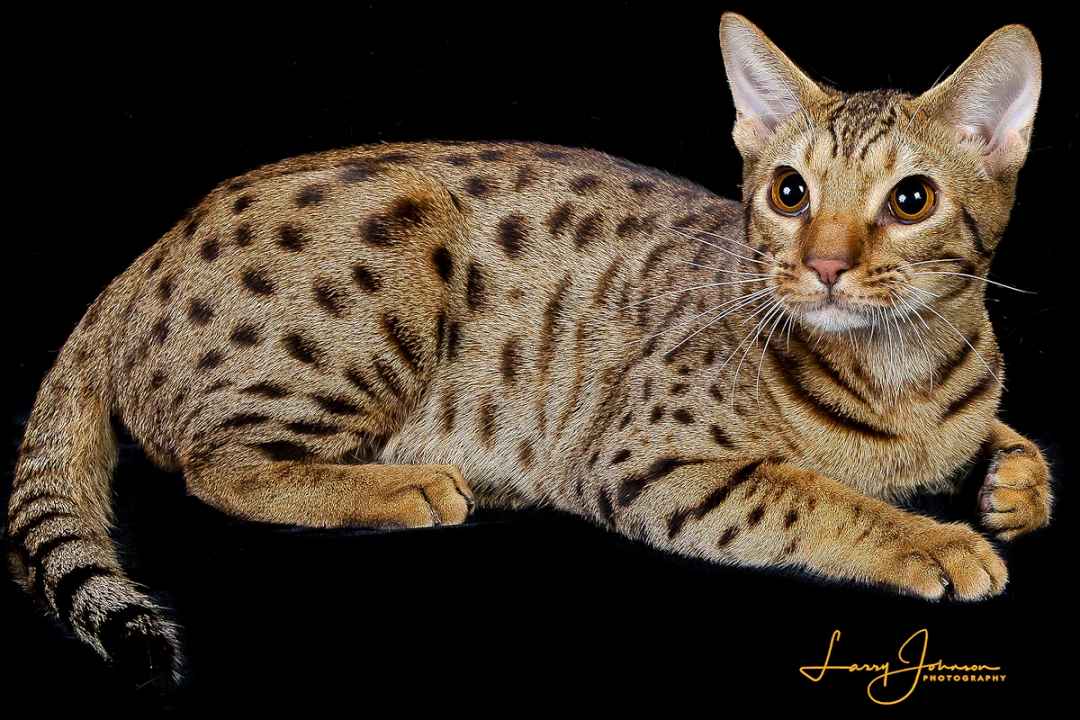
LaPerms defy conventional feline aesthetics. Their coats, ranging from tight ringlets to loose waves, come in both short and long varieties, with colors spanning all natural feline hues. Notably, some kittens are born bald and undergo multiple coat cycles, growing and shedding fur throughout their lives . Their muscular build, triangular heads, and expressive almond-shaped eyes add to their exotic allure.

Personality and Compatibility

Beyond their striking looks, LaPerms are celebrated for their spirited personalities. Described as "curious scientists of the cat world," they thrive on mental stimulation, mastering tricks and enjoying puzzle toys . Unlike typical lap cats, they prefer interactive play and even fetch games, making them ideal companions for active households. Their affectionate nature extends to children, dogs, and other pets, earning them a reputation as social butterflies .

Care and Health Considerations

Despite their glamorous curls, LaPerms are surprisingly low-maintenance. Their non-matting coats require gentle weekly combing to preserve texture, and occasional baths (without blow-drying) keep them fresh . Nutritionally, they benefit from high-quality diets to prevent obesity, a common concern due to their playful appetites. While generally robust, they may face skin allergies or dental issues, necessitating regular veterinary check-ups .

Global Appeal and Cultural Significance

Today, LaPerms are cherished from Canada to Japan, with breeders honoring their Oregon roots by naming kittens after Native American tribes . Their journey from a rural barn to international recognition highlights the magic of genetic diversity and human dedication. Whether chasing laser pointers or curling up for a cuddle, these curly charmers continue to redefine feline elegance and companionship.


As Dr. Sarah Johnson, a feline behaviorist, notes: "LaPerms blend intelligence with warmth, making them not just pets but engaging partners in daily life." For those seeking a cat that’s equal parts mystery and mischief, the LaPerm is a purrfect choice.
Latest Stories
Feline News2 minute readThe Korat cat, originating from Thailand’s Nakhon Ratchasima province (formerly Korat), is a breed deeply rooted in history and cultural significance. Revered for centuries as a symbol of good luck and prosperity, these silver-blue felines have enchanted the world with their striking appearance and affectionate nature.
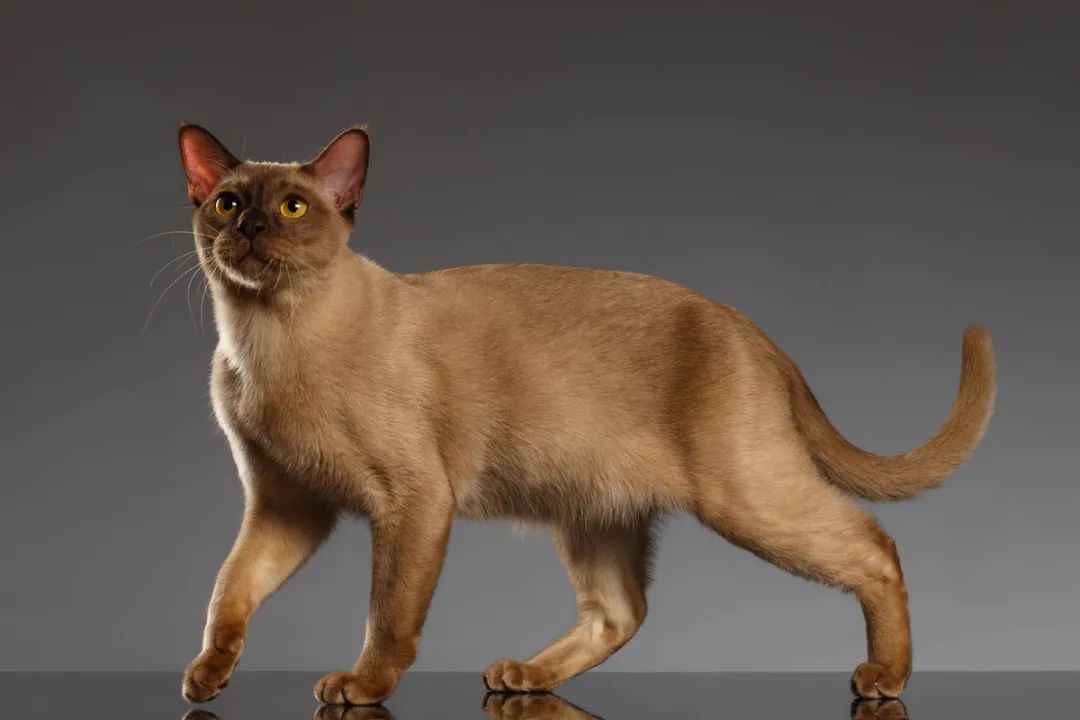
Feline News2 minute readThe Burmese cat, a breed steeped in history and adored for its regal charm, continues to captivate cat lovers worldwide. Originating from Myanmar (formerly Burma), these medium-sized shorthairs are celebrated for their luxurious coat, affectionate demeanor, and intelligence. Here’s an in-depth look at this ancient breed, combining the latest research and international standards
Feline News2 minute readThe Russian Blue, with its silvery-blue coat and piercing emerald eyes, stands as a paragon of feline elegance, earning the title "Noble of the Shorthairs" 5. Originating from Arkhangelsk Port in Russia—once known as the "Blue Angel Harbor"—this ancient breed derived its name not from color but from its birthplace 3. In 1860, sailors introduced them to Europe, and they debuted at London's Crystal Palace Exposition in 1875 as "Archangel Cats," captivating audiences with their otherworldly allure
Astro Information1 minute readEnceladus, Saturn’s icy moon, harbors a subsurface ocean beneath tiger-stripe fractures that erupt icy particles into space. These geysers form a dense ice cloud over the south pole, feeding Saturn’s faint E ring. The Cassini spacecraft (2004–2017) provided definitive evidence, capturing this true-color, high-resolution image during a close flyby, revealing shadowed ice chasms and active vents.
Animal Information1 minute readNative to Africa, warthogs (Phacochoerus) earn their name from the fleshy facial warts beneath their eyes. Split into the common warthog and desert warthog, these ungulates have heads comprising one-third of their body length, with tusks reaching 64 cm. They subsist on grass roots and tubers, surviving months without water—adaptations that define their harsh savanna lifestyle.
Astro Information2 minute readA close-up from NASA’s Mars Reconnaissance Orbiter (MRO) HiRISE camera unveils the weathered craters and aeolian features of southern Acidalia Planitia. While standard HiRISE imagery often appears in striking blue tones—a result of multispectral processing to enhance geological details—the region would likely appear gray or pale red to human eyes. Of course, no human has yet witnessed this Martian landscape firsthand—unless we count Andy Weir’s fictional NASA astronaut in The Martian.
Feline News1 minute readDubbed the "parlor panther," the Bombay Cat captivates with its jet-black coat and mesmerizing copper-gold eyes, an uncanny resemblance to the wild black leopard. Originating in 1958, Kentucky breeder Nikki Horner meticulously crossed sable Burmese cats with black American Shorthairs, aiming to create a domestic feline embodying both exotic allure and gentle temperament. After years of selective breeding, her vision became reality, establishing the Bombay as a breed that bridges wild aesthetics with affectionate companionship.