Turkish Angora: A Timeless Elegance in Feline Royalty


Feline News
Turkish Angora: A Timeless Elegance in Feline Royalty

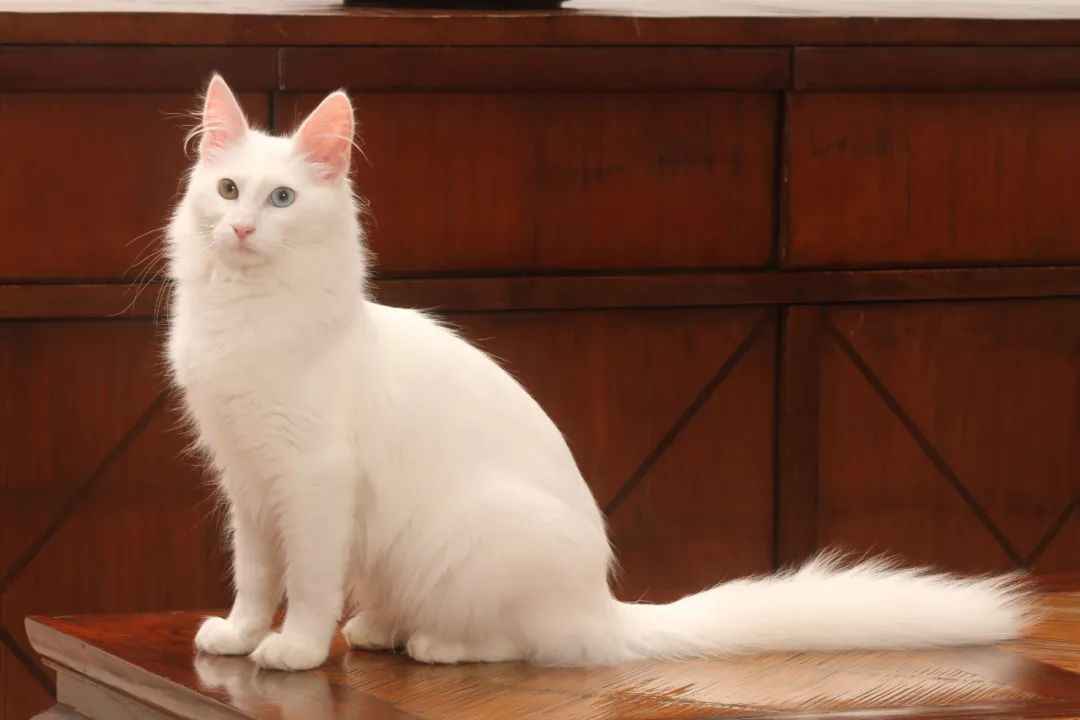
The Turkish Angora, a breed steeped in history and elegance, has captivated hearts for centuries with its striking appearance and regal demeanor. Originating from Ankara, Turkey (formerly Angora), this ancient longhair breed is believed to be the ancestor of many modern longhaired cats. Once on the brink of extinction, it was saved by dedicated conservation efforts, including a 1930s breeding program initiated by the Turkish government, which focused on preserving the iconic white-coated variety. Today, it stands as a national treasure, celebrated for its beauty and cultural significance.

A Graceful Marvel

The Turkish Angora’s most defining feature is its luxurious, silky coat, which shimmers with movement and comes in a spectrum of colors—from pure white to tabby, tortoiseshell, and smoke patterns, excluding chocolate, lilac, or pointed markings. Its medium-sized, muscular body is complemented by long limbs and a plumed tail, while large, erect ears and almond-shaped eyes (often heterochromatic) add an otherworldly charm. Despite their delicate appearance, these cats are agile climbers, often found perching atop high surfaces—a trait humorously noted by breeders: “If you can’t find your Turk, look up!”.

Personality and Bonding

Known for their intelligence and curiosity, Turkish Angoras are affectionate companions that thrive on human interaction. They form deep bonds with their owners, often shadowing them throughout the day and “helping” with tasks. Playful and energetic, they mimic dog-like loyalty, greeting family members at the door and engaging in interactive games. Their adaptability makes them ideal for households with children or other pets, though they may favor one person as their primary confidant.

Health and Conservation

While generally robust, white Turkish Angoras with blue eyes face a higher risk of congenital deafness due to genetic factors. Responsible breeders now prioritize hearing tests and outbreeding to reduce this risk. Additionally, the breed may be prone to hypertrophic cardiomyopathy and congenital ataxia, necessitating regular veterinary check-ups.
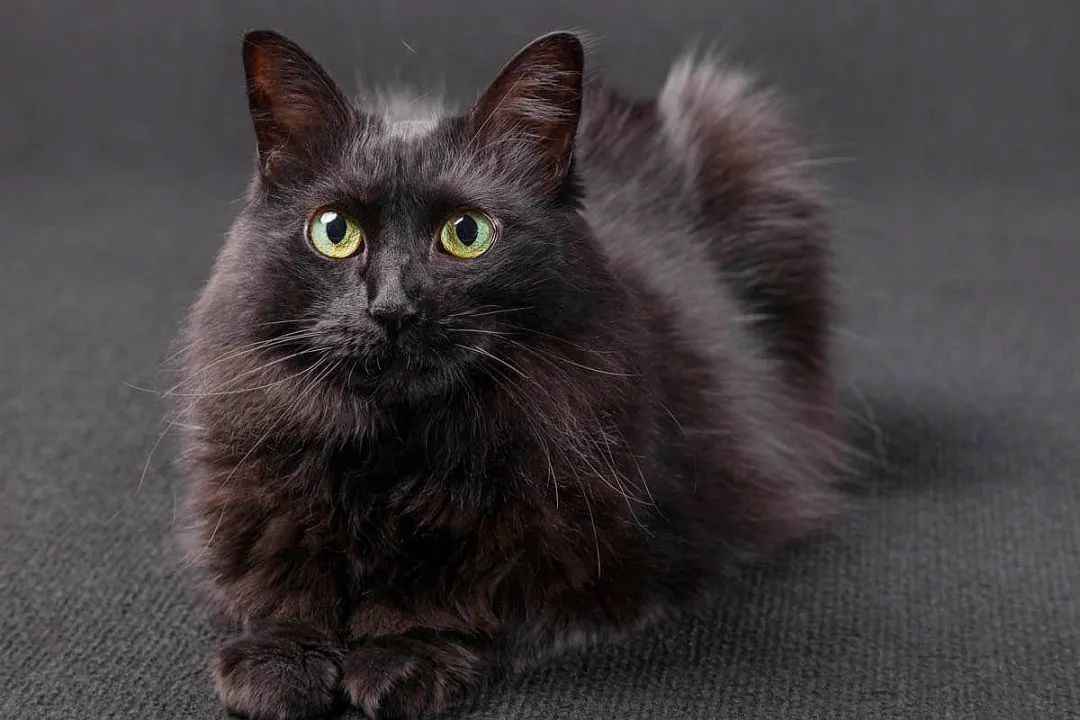
 

Source: Images from the Internet, if there is any infringement, please contact the removal of


In Turkey, conservation efforts have intensified, with the Angora Cat Protection Center in Ankara breeding over 600 kittens since 2017 and microchipping them to ensure traceability. Export restrictions and public awareness campaigns aim to safeguard the breed’s future while promoting its adoption domestically.

A Cultural Icon

Throughout history, Turkish Angoras have been symbols of prestige, gracing the courts of Ottoman sultans and European nobility, including Marie Antoinette. In Turkish folklore, they are linked to goddesses like Cybele, embodying grace and protection. Today, their image adorns art and luxury branding, reflecting their enduring association with elegance and sophistication.


From ancient Anatolia to modern homes, the Turkish Angora remains a testament to the harmony of beauty and resilience. With its captivating gaze and spirited personality, this feline royalty continues to enchant as both a living legacy and a cherished companion.

Latest Stories
Feline News2 minute readThe Korat cat, originating from Thailand’s Nakhon Ratchasima province (formerly Korat), is a breed deeply rooted in history and cultural significance. Revered for centuries as a symbol of good luck and prosperity, these silver-blue felines have enchanted the world with their striking appearance and affectionate nature.
Feline News2 minute readThe Burmese cat, a breed steeped in history and adored for its regal charm, continues to captivate cat lovers worldwide. Originating from Myanmar (formerly Burma), these medium-sized shorthairs are celebrated for their luxurious coat, affectionate demeanor, and intelligence. Here’s an in-depth look at this ancient breed, combining the latest research and international standards
Feline News2 minute readThe Russian Blue, with its silvery-blue coat and piercing emerald eyes, stands as a paragon of feline elegance, earning the title "Noble of the Shorthairs" 5. Originating from Arkhangelsk Port in Russia—once known as the "Blue Angel Harbor"—this ancient breed derived its name not from color but from its birthplace 3. In 1860, sailors introduced them to Europe, and they debuted at London's Crystal Palace Exposition in 1875 as "Archangel Cats," captivating audiences with their otherworldly allure
Astro Information1 minute readEnceladus, Saturn’s icy moon, harbors a subsurface ocean beneath tiger-stripe fractures that erupt icy particles into space. These geysers form a dense ice cloud over the south pole, feeding Saturn’s faint E ring. The Cassini spacecraft (2004–2017) provided definitive evidence, capturing this true-color, high-resolution image during a close flyby, revealing shadowed ice chasms and active vents.
Animal Information1 minute readNative to Africa, warthogs (Phacochoerus) earn their name from the fleshy facial warts beneath their eyes. Split into the common warthog and desert warthog, these ungulates have heads comprising one-third of their body length, with tusks reaching 64 cm. They subsist on grass roots and tubers, surviving months without water—adaptations that define their harsh savanna lifestyle.
Astro Information2 minute readA close-up from NASA’s Mars Reconnaissance Orbiter (MRO) HiRISE camera unveils the weathered craters and aeolian features of southern Acidalia Planitia. While standard HiRISE imagery often appears in striking blue tones—a result of multispectral processing to enhance geological details—the region would likely appear gray or pale red to human eyes. Of course, no human has yet witnessed this Martian landscape firsthand—unless we count Andy Weir’s fictional NASA astronaut in The Martian.
Feline News1 minute readDubbed the "parlor panther," the Bombay Cat captivates with its jet-black coat and mesmerizing copper-gold eyes, an uncanny resemblance to the wild black leopard. Originating in 1958, Kentucky breeder Nikki Horner meticulously crossed sable Burmese cats with black American Shorthairs, aiming to create a domestic feline embodying both exotic allure and gentle temperament. After years of selective breeding, her vision became reality, establishing the Bombay as a breed that bridges wild aesthetics with affectionate companionship.