Pet Information


1 minute read

Czechoslovakian Terrier: A Loyal Companion with a Rich Histor

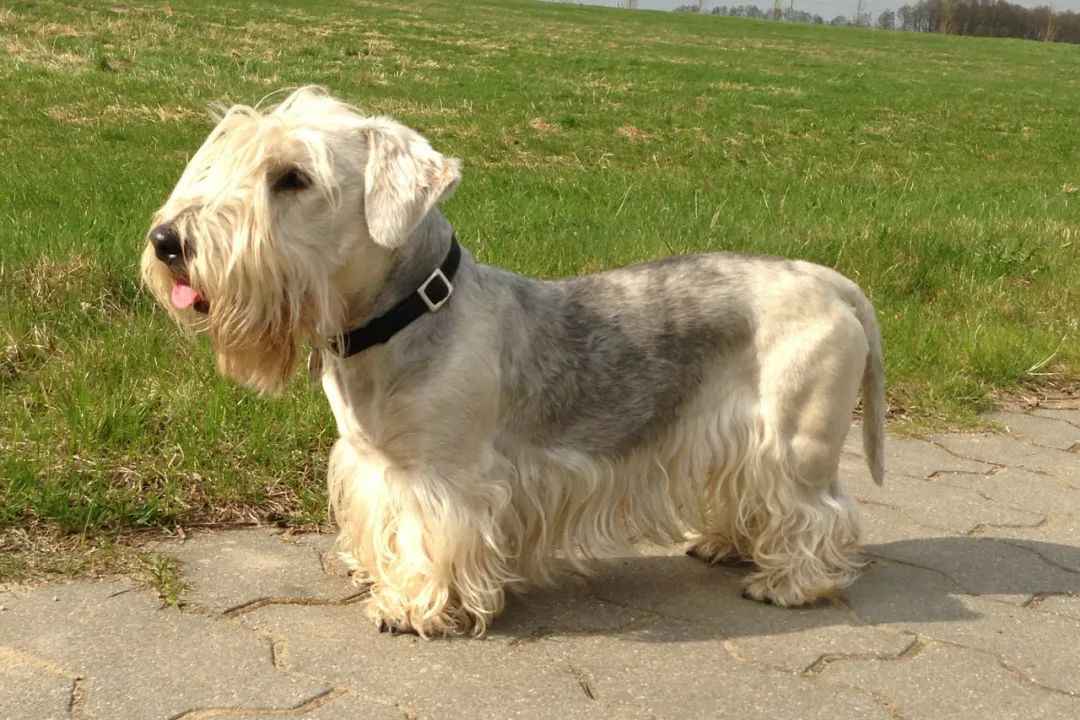
The Czechoslovakian Terrier, also known as the Český Terrier or Bohemian Terrier, is a rare and versatile breed with roots deeply intertwined with Czechoslovakia’s hunting heritage. Developed in 1948 by Czech breeder František Horák, this terrier was created through a cross between the Scottish Terrier and Sealyham Terrier, aiming to produce a dog suited for tracking game in Bohemia’s dense forests14. Recognized by the Fédération Cynologique Internationale (FCI) in 1963, it has since gained global acclaim, joining major kennel clubs like the AKC in 2011 and the UK Kennel Club in 1990212.
Czechoslovakian Terrier: A Loyal Companion with a Rich Histor
1 minute read

The Majestic Bernese Mountain Dog: A Blend of Brawn and Tenderness

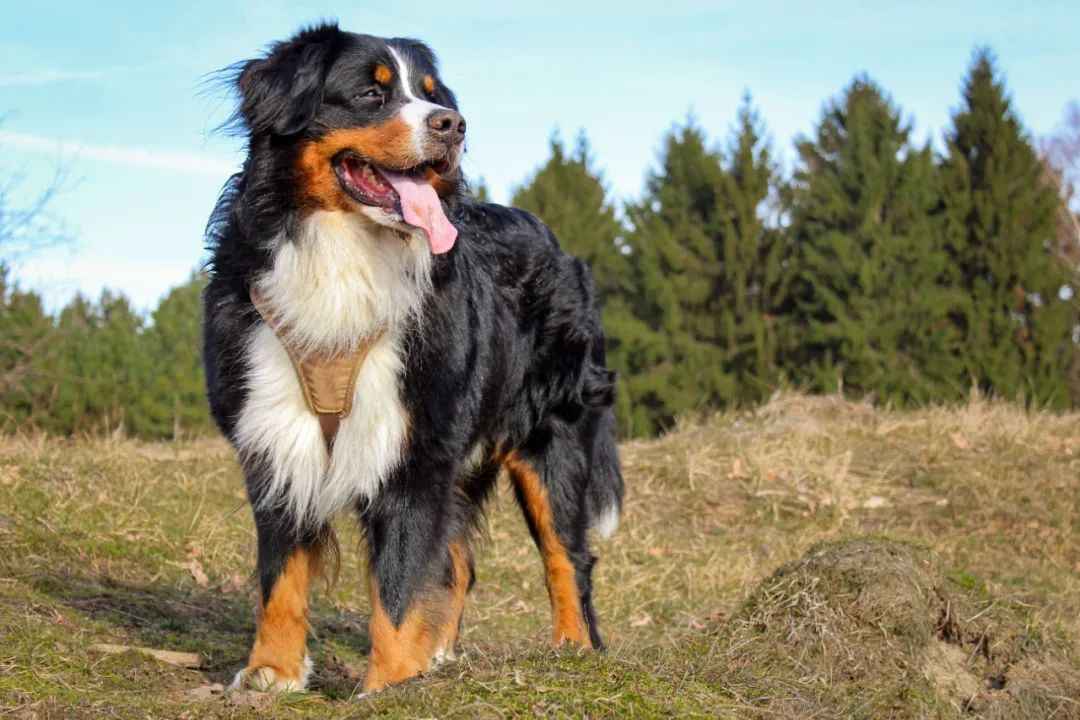
In the picturesque landscapes of the Swiss Alps, the Bernese Mountain Dog, often affectionately referred to as the “Berner,” has long been a beloved presence. With its striking tri-colored coat and imposing yet gentle demeanor, this breed has not only won the hearts of Swiss farmers but has also gained international acclaim as an ideal family pet and working dog.
The Majestic Bernese Mountain Dog: A Blend of Brawn and Tenderness
1 minute read

The Rise and Fall of the Harrier Jump Jet: A Legacy of Innovation and Warfare

As the world's first operational vertical/short takeoff and landing (V/STOL) fighter jet, the British-developed Harrier, nicknamed the "Jump Jet," has left an indelible mark on aviation history through its groundbreaking design and combat prowess.
The Rise and Fall of the Harrier Jump Jet: A Legacy of Innovation and Warfare
1 minute read

History, Characteristics, Care Tips, and Why They’re a Top Choice for Pet Owners Worldwide

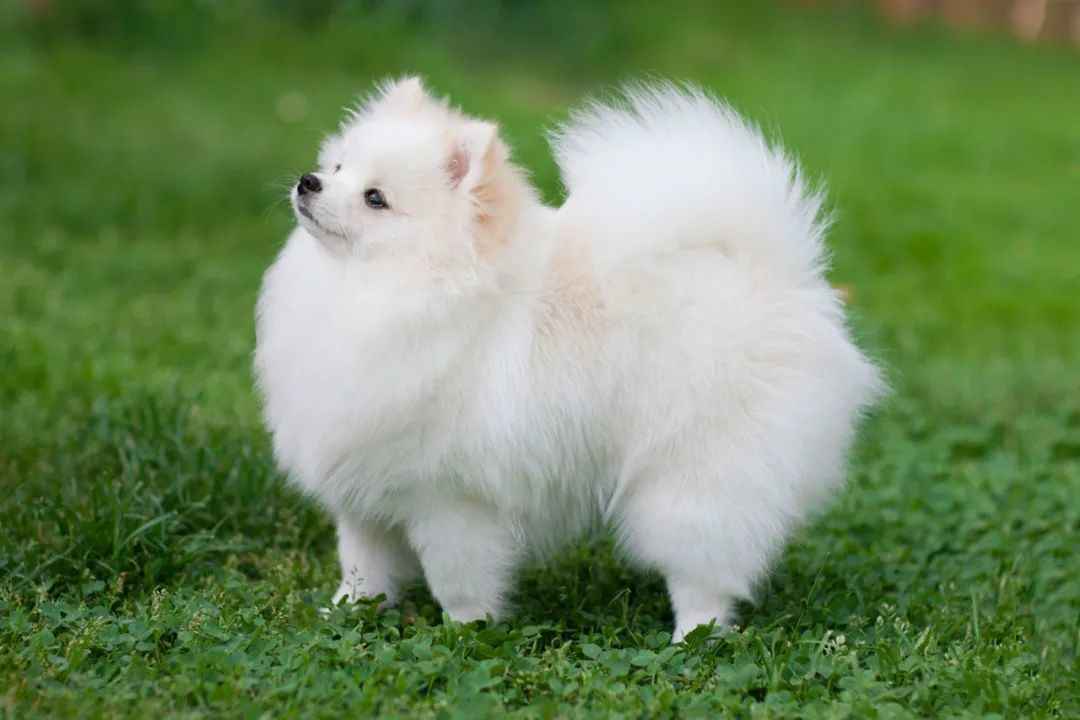
Pomeranians, affectionately known as "Poms," are small yet spirited dogs that have captured hearts globally. Originating from the Pomerania region in Germany , these fluffy companions were initially larger working dogs but were selectively bred in the 19th century to achieve their iconic petite size, with Queen Victoria’s influence significantly boosting their popularity . Today, they stand at 8-11 inches tall and weigh 3-7 pounds, featuring a dense double coat in colors ranging from orange to blue
History, Characteristics, Care Tips, and Why They’re a Top Choice for Pet Owners Worldwide
1 minute read

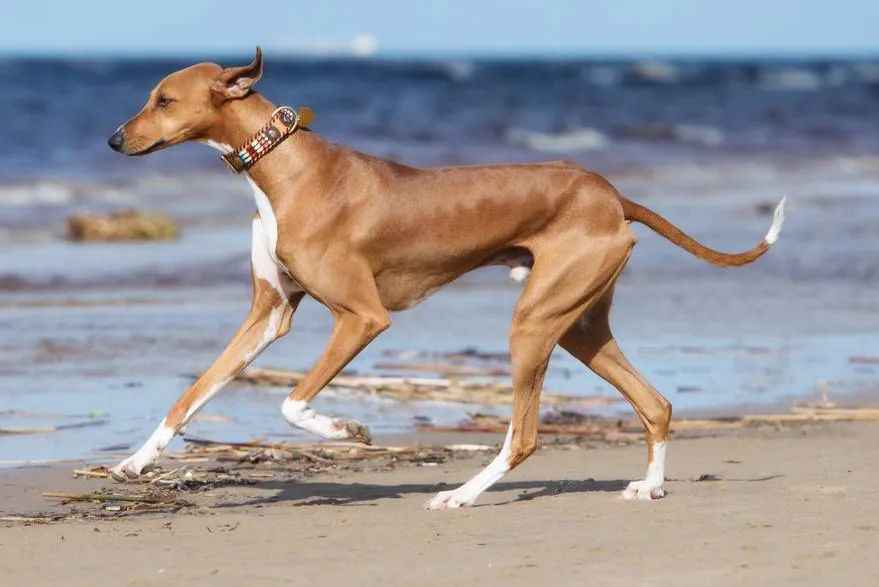
The Azawakh: A Timeless Guardian of the West African Desert

The Azawakh, an ancient sighthound breed from the Sahel region of West Africa, has captivated the world with its elegance and resilience. Named after the Azawakh Valley between Mali and Niger, this breed has accompanied the Tuareg nomads for millennia, serving as a hunter, guardian, and loyal companion315. With a streamlined physique and long legs, the Azawakh can reach speeds of up to 60 km/h, making it a formidable predator of gazelles and hares in the harsh desert terrain312. Its short, fine coat, ranging from golden to red or white, reflects the Saharan sun and adapts seamlessly to extreme
The Azawakh: A Timeless Guardian of the West African Desert
2 minute read

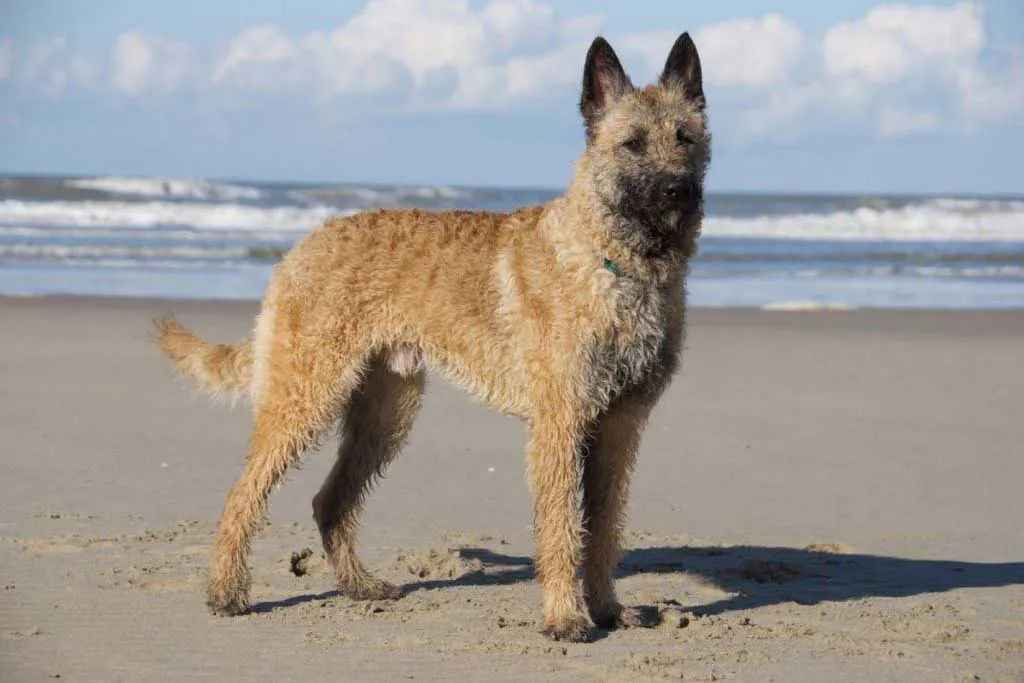
Belgian Shepherd Laekenois: The Rare and Resilient Working Dog with Royal Heritage

The Belgian Shepherd Laekenois, one of four distinct varieties of Belgian Shepherds, stands out for its rugged coat and unwavering loyalty. Named after the Belgian town of Laeken, this breed traces its roots to the 19th century, originally developed to guard sheep and properties in Antwerp’s linen-producing regions19. Its unique history includes serving as a cherished companion to Belgium’s Queen Henrietta, solidifying its reputation as a versatile and regal working dog1.
Belgian Shepherd Laekenois: The Rare and Resilient Working Dog with Royal Heritage
1 minute read

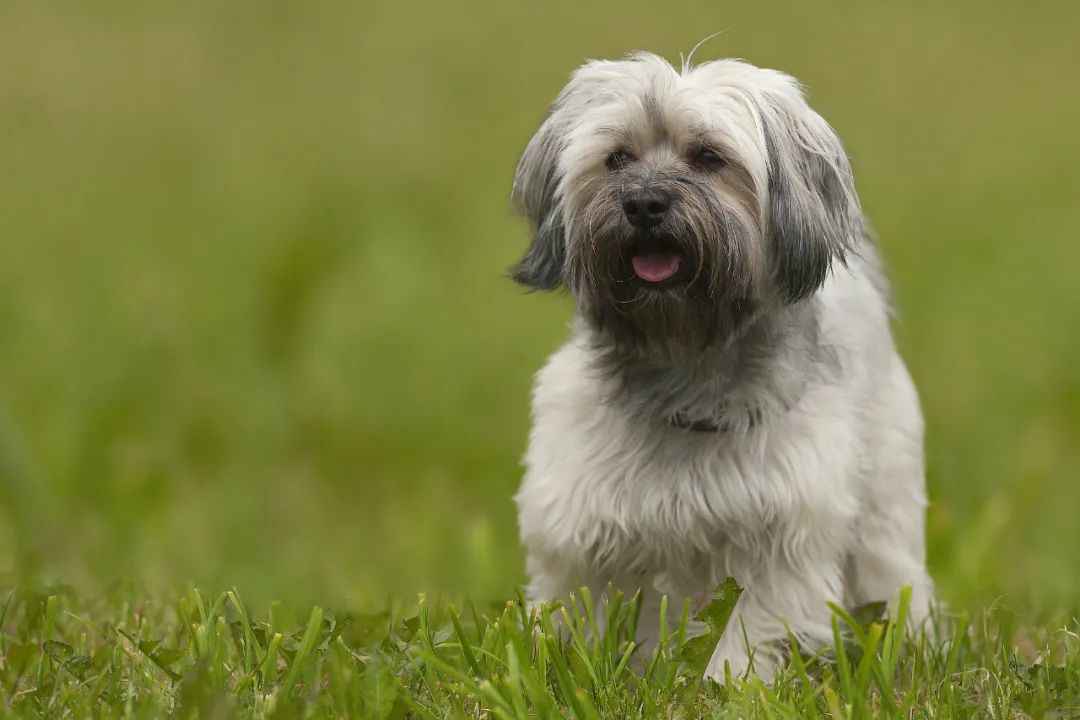
A Journey of Resilience and Charm Across Centuries

Havana, Cuba’s vibrant capital, is not only renowned for its colonial architecture and rum distilleries but also as the birthplace of the Havanese, a breed that embodies Cuba’s rich cultural tapestry. Originating from Spanish and French companion dogs brought to the island in the 18th century, the Havanese evolved into Cuba’s only native purebred dog, cherished for its silky coat and affectionate nature
A Journey of Resilience and Charm Across Centuries

Latest Stories
Feline News2 minute readThe Korat cat, originating from Thailand’s Nakhon Ratchasima province (formerly Korat), is a breed deeply rooted in history and cultural significance. Revered for centuries as a symbol of good luck and prosperity, these silver-blue felines have enchanted the world with their striking appearance and affectionate nature.
Feline News2 minute readThe Burmese cat, a breed steeped in history and adored for its regal charm, continues to captivate cat lovers worldwide. Originating from Myanmar (formerly Burma), these medium-sized shorthairs are celebrated for their luxurious coat, affectionate demeanor, and intelligence. Here’s an in-depth look at this ancient breed, combining the latest research and international standards
Feline News2 minute readThe Russian Blue, with its silvery-blue coat and piercing emerald eyes, stands as a paragon of feline elegance, earning the title "Noble of the Shorthairs" 5. Originating from Arkhangelsk Port in Russia—once known as the "Blue Angel Harbor"—this ancient breed derived its name not from color but from its birthplace 3. In 1860, sailors introduced them to Europe, and they debuted at London's Crystal Palace Exposition in 1875 as "Archangel Cats," captivating audiences with their otherworldly allure
Astro Information1 minute readEnceladus, Saturn’s icy moon, harbors a subsurface ocean beneath tiger-stripe fractures that erupt icy particles into space. These geysers form a dense ice cloud over the south pole, feeding Saturn’s faint E ring. The Cassini spacecraft (2004–2017) provided definitive evidence, capturing this true-color, high-resolution image during a close flyby, revealing shadowed ice chasms and active vents.
Animal Information1 minute readNative to Africa, warthogs (Phacochoerus) earn their name from the fleshy facial warts beneath their eyes. Split into the common warthog and desert warthog, these ungulates have heads comprising one-third of their body length, with tusks reaching 64 cm. They subsist on grass roots and tubers, surviving months without water—adaptations that define their harsh savanna lifestyle.
Astro Information2 minute readA close-up from NASA’s Mars Reconnaissance Orbiter (MRO) HiRISE camera unveils the weathered craters and aeolian features of southern Acidalia Planitia. While standard HiRISE imagery often appears in striking blue tones—a result of multispectral processing to enhance geological details—the region would likely appear gray or pale red to human eyes. Of course, no human has yet witnessed this Martian landscape firsthand—unless we count Andy Weir’s fictional NASA astronaut in The Martian.
Feline News1 minute readDubbed the "parlor panther," the Bombay Cat captivates with its jet-black coat and mesmerizing copper-gold eyes, an uncanny resemblance to the wild black leopard. Originating in 1958, Kentucky breeder Nikki Horner meticulously crossed sable Burmese cats with black American Shorthairs, aiming to create a domestic feline embodying both exotic allure and gentle temperament. After years of selective breeding, her vision became reality, establishing the Bombay as a breed that bridges wild aesthetics with affectionate companionship.