
A Charming German-Bred Companion
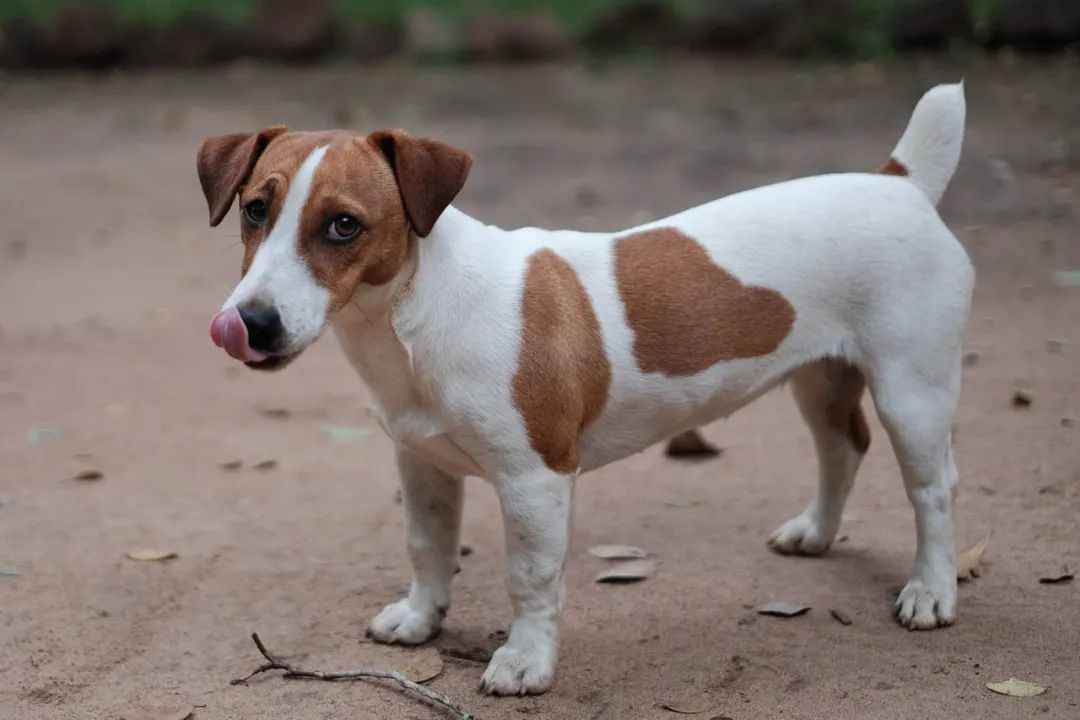
The Biewer Terrier, a captivating toy breed originating from Germany, has gained global attention for its striking tri-colored coat and lively demeanor. In 1984, breeders Werner and Gertrud Biewer accidentally produced a piebald Yorkshire Terrier puppy with a recessive gene, leading to a distinct black, white, and tan coat pattern. After decades of selective breeding, the breed was genetically recognized as a standalone canine variety in 2007 and officially accepted by the American Kennel Club (AKC) in 2021, marking it as the 197th AKC-registered breed41012.
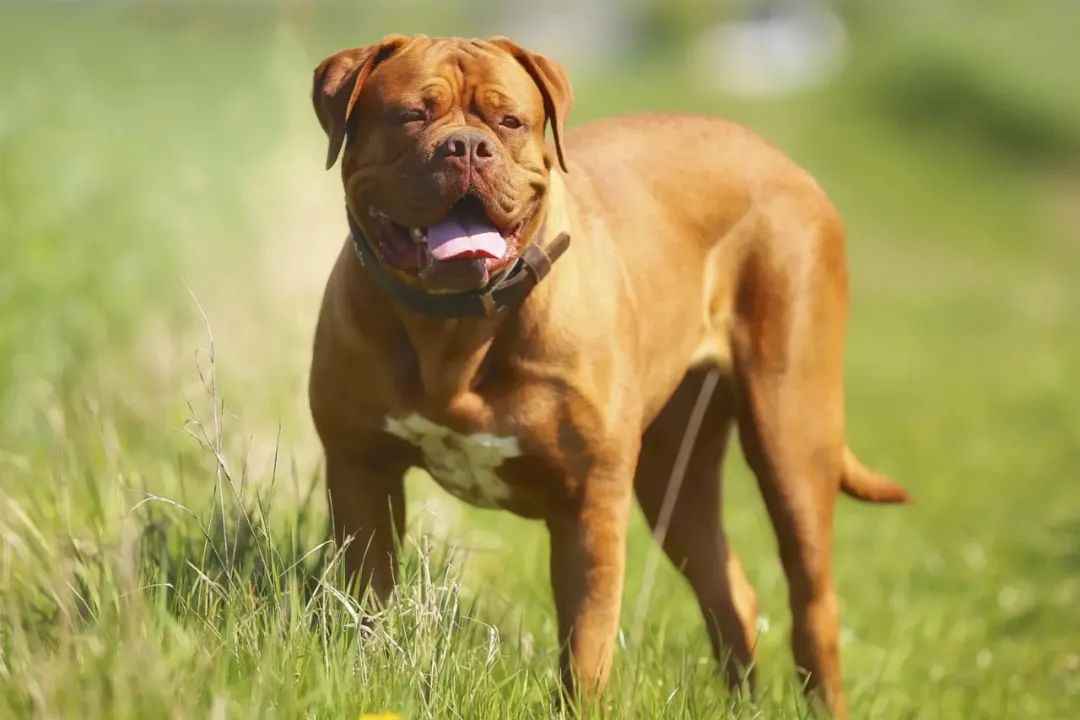
Revealed: The Resilient Legacy of the Berger Picard, France’s Ancient Herding Guardian
The Berger Picard, a rugged and intelligent herding breed hailing from France’s Picardy region, has captivated dog enthusiasts with its ancient lineage and remarkable survival story. Revered as one of France’s oldest sheepdogs, this breed traces its roots back to the 9th century, when Celtic herders introduced it to northern France 1. Often called the "Picardy Shepherd," it shares genetic ties with breeds like the Briard and Beauceron, though its distinct rustic charm and problem-solving abilities set it apart 110.
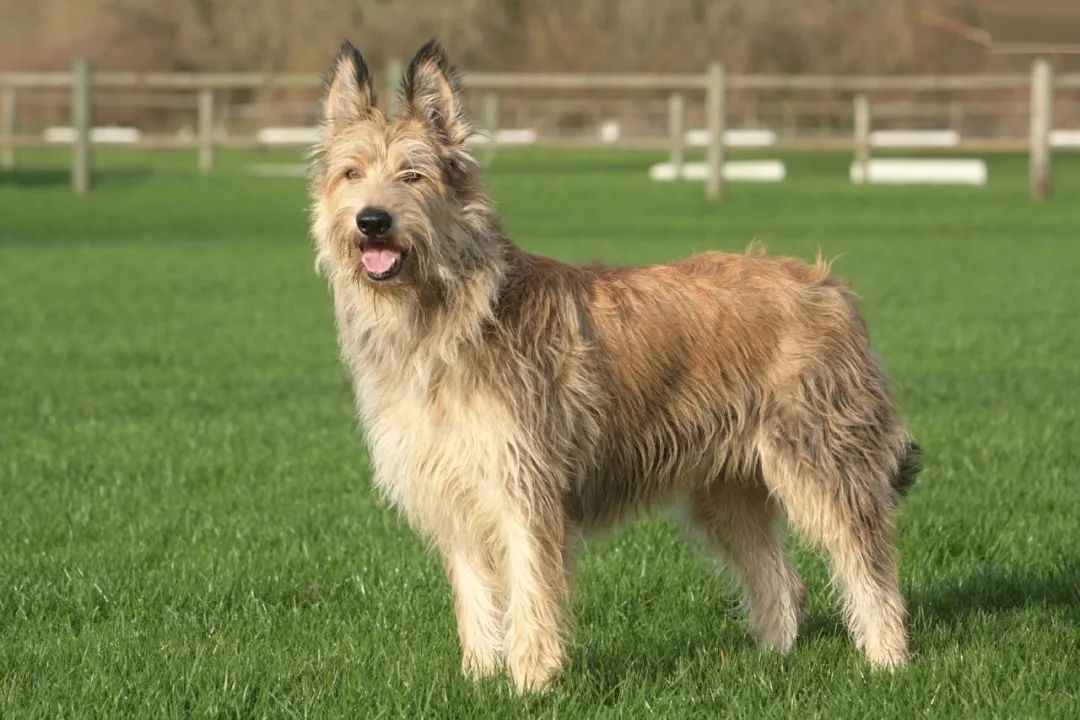
Anatolian Shepherd Dog: The Ancient Guardian of Livestock with Unwavering Loyalty
Originating from the Anatolian region of Turkey, the Anatolian Shepherd Dog is one of the world's oldest herding breeds, with a history dating back to the Babylonian period (2800–1800 BCE)12. Initially bred as military dogs for territorial defense, they transitioned to livestock guardianship in modern times1. Renowned for their protective instincts and independence, these dogs are widely used to shield flocks from predators like wolves and bears36.
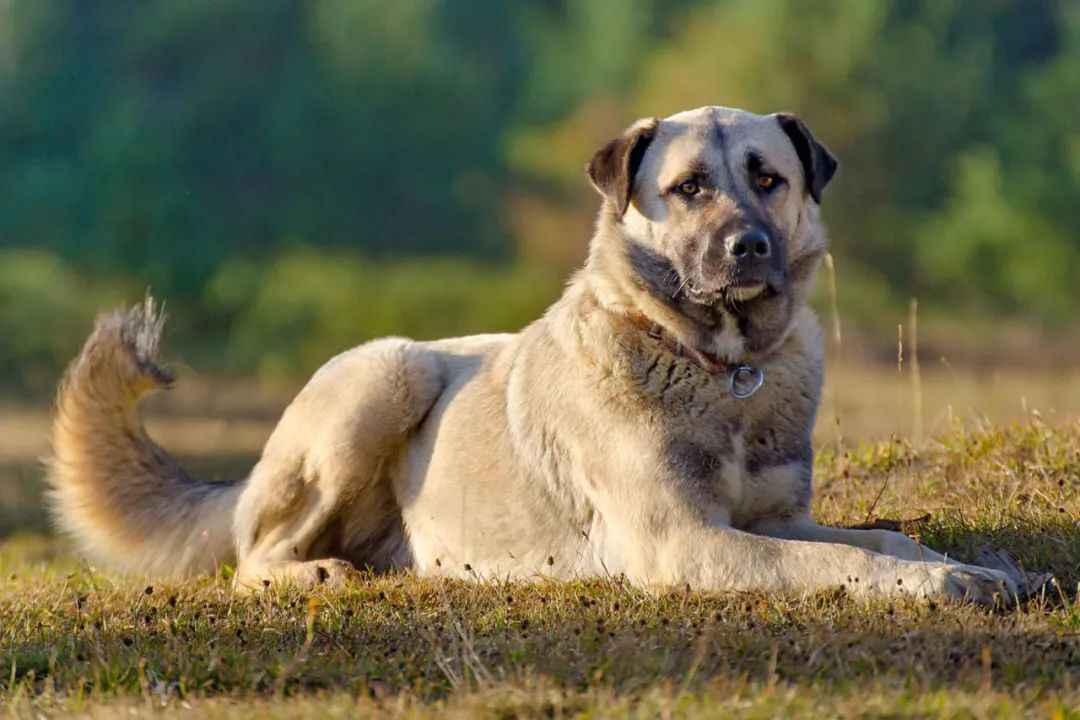
The Allure of the French Small Hound: The Unique World of the Petit Basset Griffon Vendeen
The Petit Basset Griffon Vendeen (PBGV for short) originates from the Vendée region of France, a historic scent hound with deep roots. Its name, meaning "small short-legged rough-haired hound from Vendée" in French, perfectly encapsulates the breed's core traits: a compact build (13-15 inches in height), short sturdy legs, and a rough, tousled coat that gives it the charm of a fairy-tale sprite.
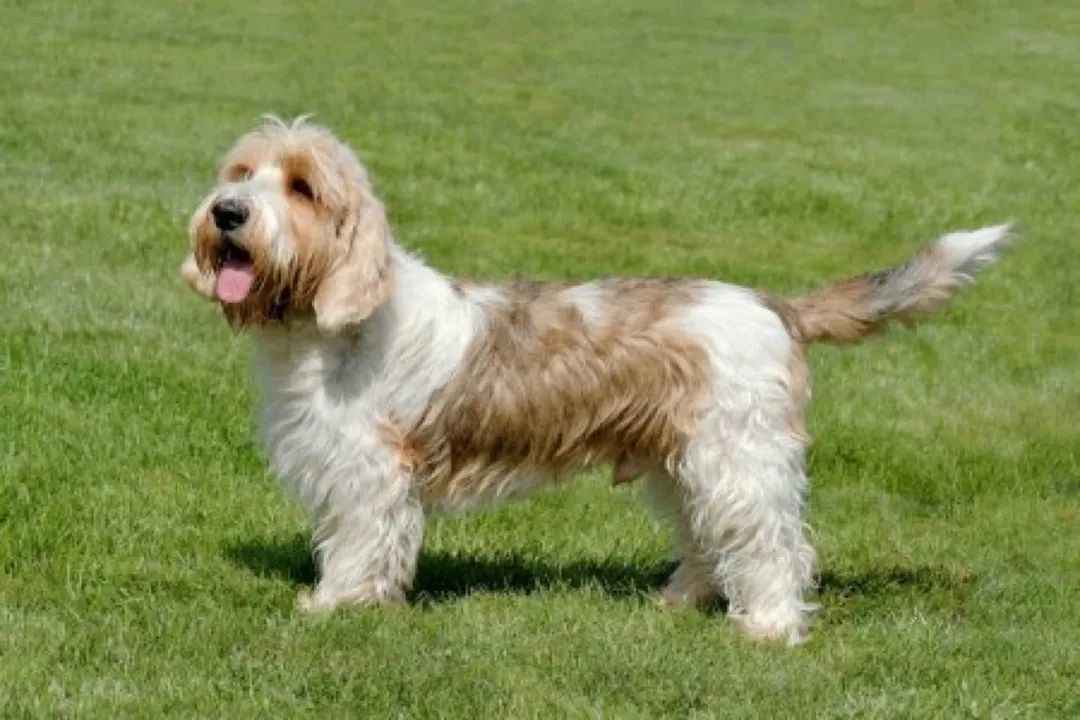
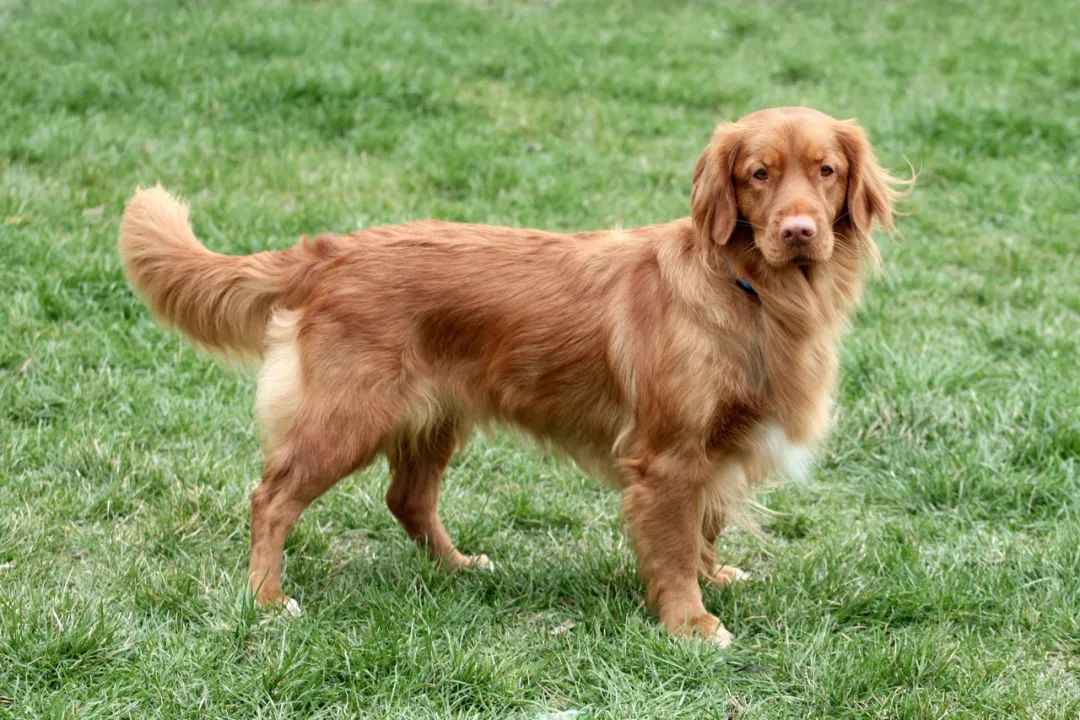
Scotia Duck Tolling Retriever: The Canine Marvel of Coastal Canada
The Nova Scotia Duck Tolling Retriever, affectionately known as the "Toller," is a breed steeped in history and uniquely adapted to its coastal Canadian origins. Developed in the 19th century in Nova Scotia, these medium-sized dogs were meticulously bred for a specialized role: luring waterfowl within hunting range through playful antics, then retrieving downed birds with precision and enthusiasm 48. Their name itself reflects this dual purpose—"tolling" derived from the Middle English term for "to lure," while "retriever" highlights their aquatic recovery skills.
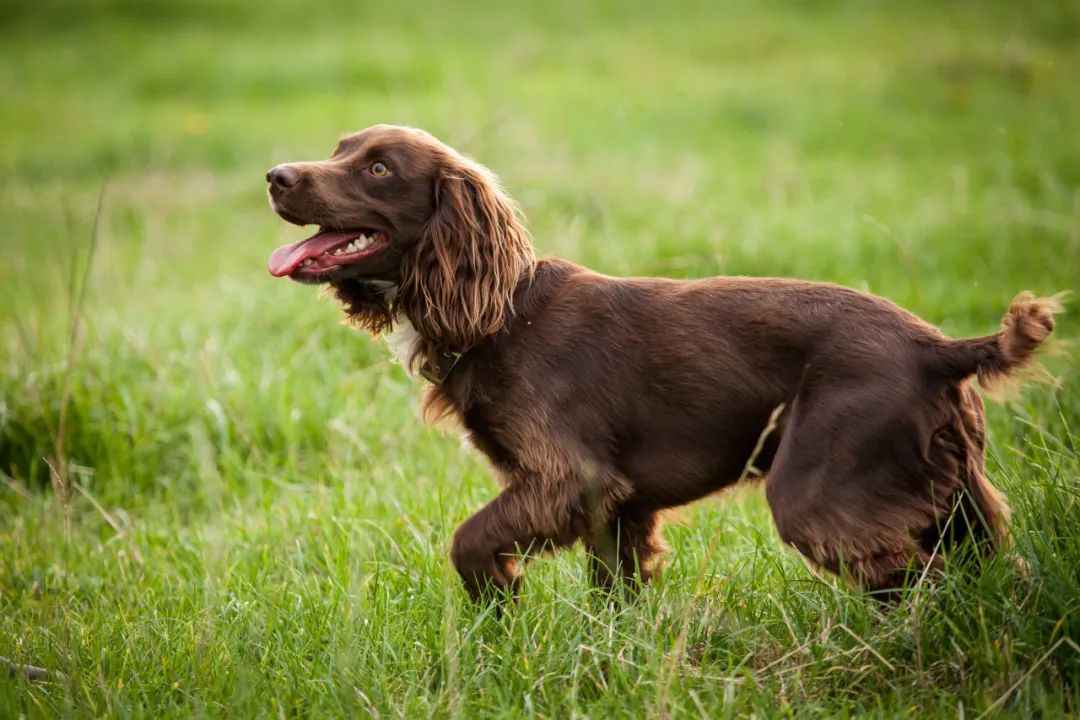
South Carolina’s Beloved Sporting Dog with Rich Heritage
The Boykin Spaniel, affectionately known as the "Little Brown Dog," is a breed deeply rooted in South Carolina’s history and culture. Originating in the early 1900s, its story begins with a stray dog named "Dumpy," found by Alexander White in Spartanburg. Recognizing Dumpy’s hunting potential, White entrusted the dog to his friend Lemuel Whitaker Boykin, whose breeding program—incorporating Chesapeake Bay Retrievers, Springer Spaniels, and American Water Spaniels—gave birth to the Boykin Spaniel. In 1985, the breed was designated South Carolina’s official state dog, and it earned AKC recogniti
Curly-Coated Retriever: A Timeless Sporting Breed with a Rich Heritage
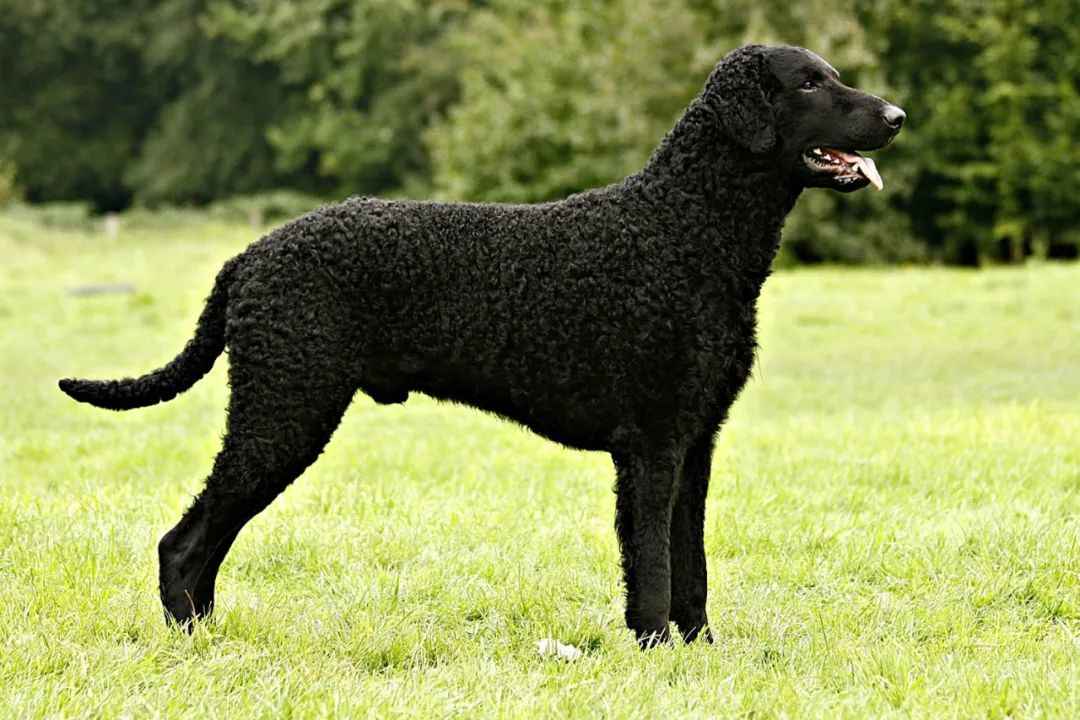
The Curly-Coated Retriever, one of the oldest retriever breeds, has captivated dog enthusiasts for centuries with its distinctive appearance and exceptional working abilities. Originating in 19th-century England, this breed was meticulously developed for waterfowl and upland bird hunting, combining traits from extinct English water spaniels, retrieving setters, and possibly poodles 12. Its tight, waterproof curls—a defining feature—provided protection in harsh weather and icy waters, while its athletic build and webbed feet ensured agility in both land and marsh environments 26.