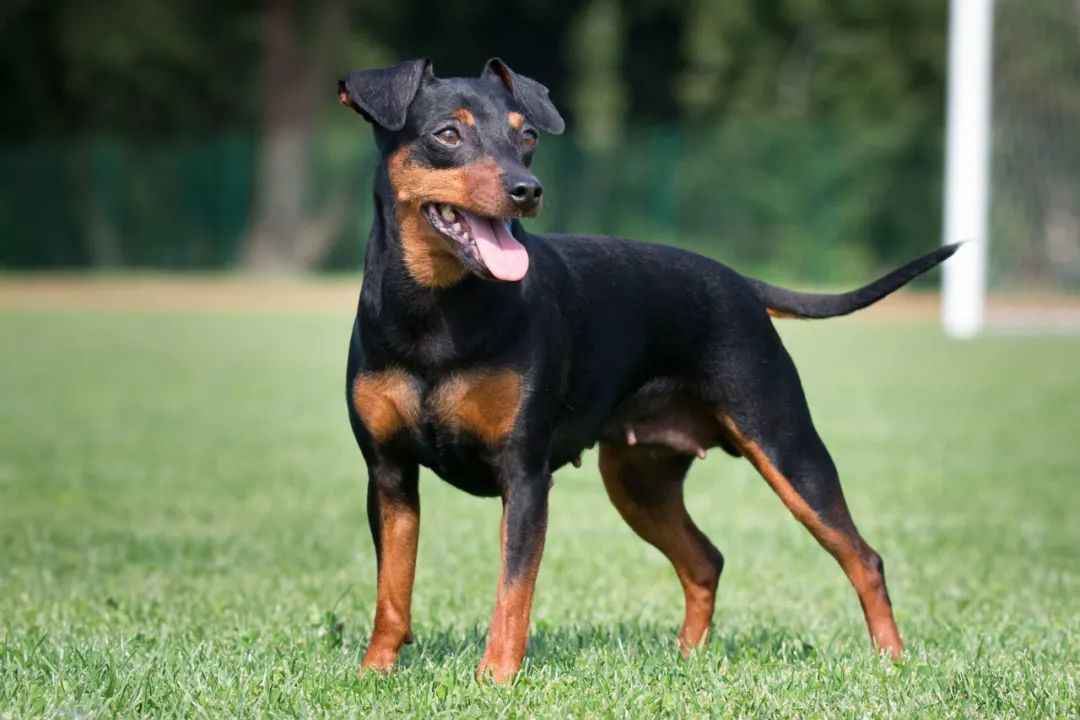
The Miniature Pinscher, often affectionately called the "Min Pin," is a breed that punches far above its weight in personality and presence. Despite its small stature—standing just 10 to 12.5 inches tall and weighing 8 to 11 pounds—this spirited dog has a history rooted in utility and a temperament that commands attention.
Origins and Historical Role
Believed to have originated in Germany in the 19th century, the Miniature Pinscher was initially bred to hunt rodents in homes and stables. Often mistaken for a smaller version of the Doberman Pinscher, the Min Pin is a distinct breed, with its lineage tracing back to terriers and German Pinschers. Its agile build and sharp instincts made it a vital asset for pest control before evolving into a beloved companion animal.
Believed to have originated in Germany in the 19th century, the Miniature Pinscher was initially bred to hunt rodents in homes and stables. Often mistaken for a smaller version of the Doberman Pinscher, the Min Pin is a distinct breed, with its lineage tracing back to terriers and German Pinschers. Its agile build and sharp instincts made it a vital asset for pest control before evolving into a beloved companion animal.
Physical Characteristics
The breed is defined by its sleek, muscular physique and distinctive "deer-like" appearance, with a short, shiny coat that typically comes in solid red, or black and tan. Its erect ears (often cropped for show, though natural ears are common in pets), chiseled muzzle, and confident stance give it an alert, aristocratic demeanor. Despite its dainty frame, the Min Pin is remarkably sturdy, with a springy gait that reflects its energetic nature.
The breed is defined by its sleek, muscular physique and distinctive "deer-like" appearance, with a short, shiny coat that typically comes in solid red, or black and tan. Its erect ears (often cropped for show, though natural ears are common in pets), chiseled muzzle, and confident stance give it an alert, aristocratic demeanor. Despite its dainty frame, the Min Pin is remarkably sturdy, with a springy gait that reflects its energetic nature.
Temperament and Personality
Miniature Pinschers are known for their bold, curious, and confident personalities. They are fiercely loyal to their families, often forming strong bonds with owners. Their alertness makes them excellent watchdogs, though their small size means they rely on vocal warnings rather than physical intimidation. While playful and affectionate, they can be wary of strangers and may exhibit stubbornness, requiring consistent, positive reinforcement training from an early age. Their high energy levels demand daily exercise, such as brisk walks or interactive play, to prevent restlessness.
Miniature Pinschers are known for their bold, curious, and confident personalities. They are fiercely loyal to their families, often forming strong bonds with owners. Their alertness makes them excellent watchdogs, though their small size means they rely on vocal warnings rather than physical intimidation. While playful and affectionate, they can be wary of strangers and may exhibit stubbornness, requiring consistent, positive reinforcement training from an early age. Their high energy levels demand daily exercise, such as brisk walks or interactive play, to prevent restlessness.
Care and Health Considerations
Grooming is minimal due to the short coat, requiring only occasional brushing to remove loose hair. Like all breeds, Min Pins benefit from regular dental care, nail trims, and ear cleanings. Health-wise, they are generally robust but may be prone to issues like patellar luxation (knee dislocation), eye disorders, and hypothyroidism. A balanced diet and regular veterinary check-ups are essential to ensure longevity, with an average lifespan of 12 to 16 years.
Grooming is minimal due to the short coat, requiring only occasional brushing to remove loose hair. Like all breeds, Min Pins benefit from regular dental care, nail trims, and ear cleanings. Health-wise, they are generally robust but may be prone to issues like patellar luxation (knee dislocation), eye disorders, and hypothyroidism. A balanced diet and regular veterinary check-ups are essential to ensure longevity, with an average lifespan of 12 to 16 years.
Conclusion: A Big Heart in a Small Package
The Miniature Pinscher is a testament to the saying "good things come in small packages." With its vibrant personality, striking appearance, and rich history, this breed continues to charm families and individuals alike. Whether as a spirited companion for active owners or a vigilant watchdog for smaller homes, the Min Pin proves that its miniature frame houses a mighty soul.
The Miniature Pinscher is a testament to the saying "good things come in small packages." With its vibrant personality, striking appearance, and rich history, this breed continues to charm families and individuals alike. Whether as a spirited companion for active owners or a vigilant watchdog for smaller homes, the Min Pin proves that its miniature frame houses a mighty soul.