The German Shepherd, a breed synonymous with loyalty and adaptability, has solidified its position as one of the world’s most iconic working dogs. Originating from Germany in the late 19th century, the breed was meticulously developed by Captain Max von Stephanitz, who aimed to create a versatile herding dog. His vision came to life in 1889 when he encountered Hektor Linksrhein, a wolf-like sheepdog with exceptional agility and intelligence. Renamed Horand von Grafath, this dog became the first registered German Shepherd, marking the birth of a breed destined for greatness
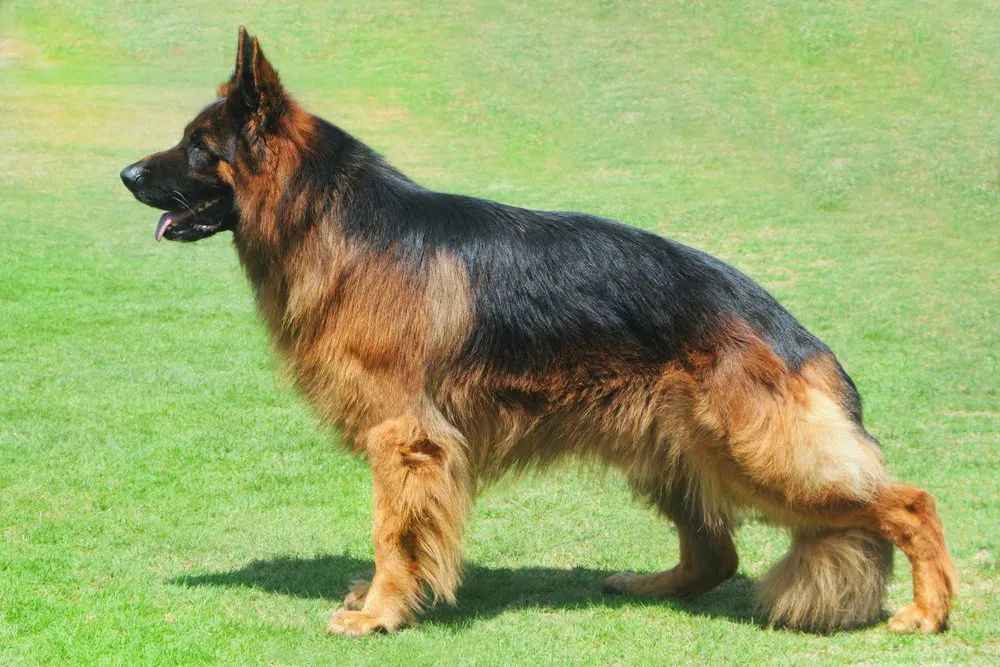
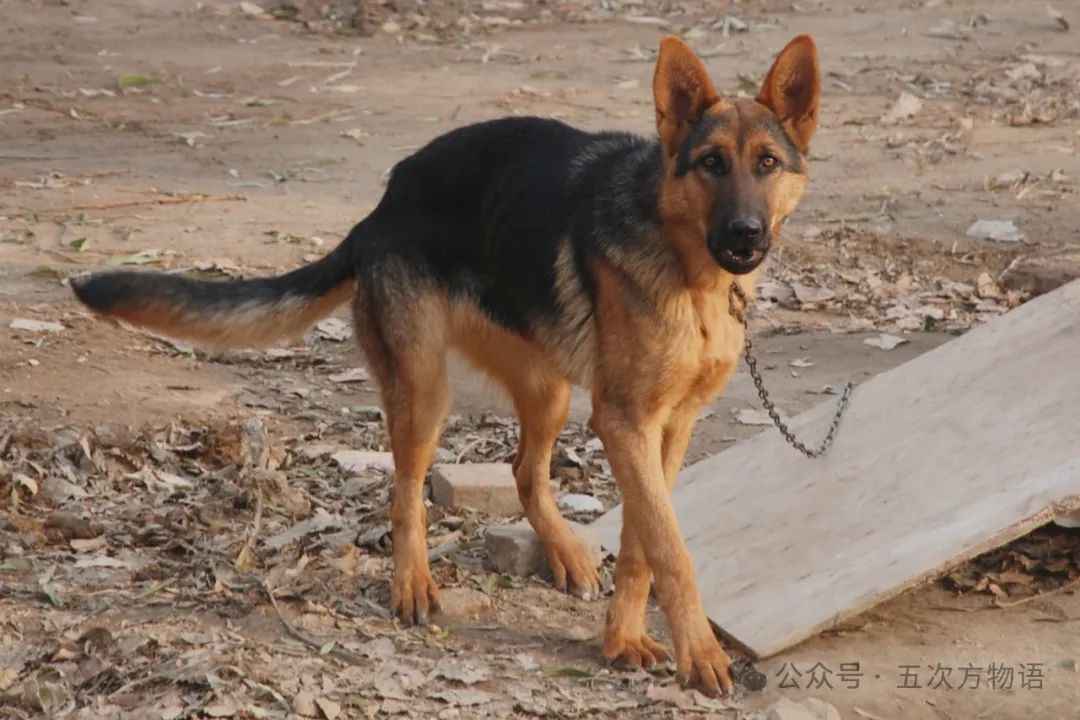
Today, German Shepherds are celebrated for their striking appearance and remarkable capabilities. Standing 22–26 inches tall and weighing 50–95 pounds, they possess a muscular build, erect ears, and a dense double coat that comes in colors like black, tan, and sable. Their iconic black facial mask and agile physique make them instantly recognizable 13. Beyond their looks, they rank third in Stanley Coren’s The Intelligence of Dogs for obedience and working intelligence, a testament to their trainability and problem-solving skills 1.
Source: Images from the Internet, if there is any infringement, please contact the removal of
A Breed Built for Service
German Shepherds excel in roles ranging from police and military work to search and rescue. During World War I, they served as messengers and scouts, while modern-day units deploy them for detecting explosives and narcotics. Their acute sense of smell and physical endurance make them indispensable in disaster zones. Notably, Fidelco, North America’s only German Shepherd guide dog program, has paired over 1,000 visually impaired individuals with these loyal companions since 2006 .
German Shepherds excel in roles ranging from police and military work to search and rescue. During World War I, they served as messengers and scouts, while modern-day units deploy them for detecting explosives and narcotics. Their acute sense of smell and physical endurance make them indispensable in disaster zones. Notably, Fidelco, North America’s only German Shepherd guide dog program, has paired over 1,000 visually impaired individuals with these loyal companions since 2006 .
Health and Longevity
Despite their robust nature, German Shepherds face hereditary challenges. Hip dysplasia affects 19.8% of the breed, causing joint instability and pain 6. Responsible breeders now use DNA testing and strict lineage tracking to mitigate risks. The SV (German Shepherd Association), founded in 1899, enforces rigorous standards, including X-ray screenings for breeding dogs 110. On average, German Shepherds live 10–12 years, with females outliving males by 1.4 years 10.
Despite their robust nature, German Shepherds face hereditary challenges. Hip dysplasia affects 19.8% of the breed, causing joint instability and pain 6. Responsible breeders now use DNA testing and strict lineage tracking to mitigate risks. The SV (German Shepherd Association), founded in 1899, enforces rigorous standards, including X-ray screenings for breeding dogs 110. On average, German Shepherds live 10–12 years, with females outliving males by 1.4 years 10.
Cultural Impact and Global Popularity
In 2025, the German Shepherd remains a top choice in both the U.S. and Germany, cherished for its protective instincts and family-friendly demeanor. While males are often preferred for guarding roles due to their size, females are noted for their longevity and gentler disposition 7810. Their cultural significance is evident in films like Rin-Tin-Tin and TV series such as Inspector Rex, which have cemented their status as symbols of courage and fidelity worldwide 35.
In 2025, the German Shepherd remains a top choice in both the U.S. and Germany, cherished for its protective instincts and family-friendly demeanor. While males are often preferred for guarding roles due to their size, females are noted for their longevity and gentler disposition 7810. Their cultural significance is evident in films like Rin-Tin-Tin and TV series such as Inspector Rex, which have cemented their status as symbols of courage and fidelity worldwide 35.
From herding sheep in Bavarian fields to guiding the visually impaired in bustling cities, the German Shepherd’s legacy endures. As Dr. Dan O’Neill of the Royal Veterinary College notes, their adaptability and intelligence continue to make them “a breed apart,” balancing work ethic with unwavering loyalty 10. Whether in the line of duty or as cherished pets, German Shepherds embody the pinnacle of canine excellence.
German Shepherd: The Pinnacle of Canine Intelligence and Versatility
The German Shepherd, a breed synonymous with loyalty and adaptability, has solidified its position as one of the world’s most iconic working dogs. Originating from Germany in the late 19th century, the breed was meticulously developed by Captain Max von Stephanitz, who aimed to create a versatile herding dog. His vision came to life in 1889 when he encountered Hektor Linksrhein, a wolf-like sheepdog with exceptional agility and intelligence. Renamed Horand von Grafath, this dog became the first registered German Shepherd, marking the birth of a breed destined for greatness 12.
Today, German Shepherds are celebrated for their striking appearance and remarkable capabilities. Standing 22–26 inches tall and weighing 50–95 pounds, they possess a muscular build, erect ears, and a dense double coat that comes in colors like black, tan, and sable. Their iconic black facial mask and agile physique make them instantly recognizable 13. Beyond their looks, they rank third in Stanley Coren’s The Intelligence of Dogs for obedience and working intelligence, a testament to their trainability and problem-solving skills 1.
A Breed Built for Service
German Shepherds excel in roles ranging from police and military work to search and rescue. During World War I, they served as messengers and scouts, while modern-day units deploy them for detecting explosives and narcotics. Their acute sense of smell and physical endurance make them indispensable in disaster zones. Notably, Fidelco, North America’s only German Shepherd guide dog program, has paired over 1,000 visually impaired individuals with these loyal companions since 2006 .
German Shepherds excel in roles ranging from police and military work to search and rescue. During World War I, they served as messengers and scouts, while modern-day units deploy them for detecting explosives and narcotics. Their acute sense of smell and physical endurance make them indispensable in disaster zones. Notably, Fidelco, North America’s only German Shepherd guide dog program, has paired over 1,000 visually impaired individuals with these loyal companions since 2006 .
Health and Longevity
Despite their robust nature, German Shepherds face hereditary challenges. Hip dysplasia affects 19.8% of the breed, causing joint instability and pain 6. Responsible breeders now use DNA testing and strict lineage tracking to mitigate risks. The SV (German Shepherd Association), founded in 1899, enforces rigorous standards, including X-ray screenings for breeding dogs 110. On average, German Shepherds live 10–12 years, with females outliving males by 1.4 years 10.
Despite their robust nature, German Shepherds face hereditary challenges. Hip dysplasia affects 19.8% of the breed, causing joint instability and pain 6. Responsible breeders now use DNA testing and strict lineage tracking to mitigate risks. The SV (German Shepherd Association), founded in 1899, enforces rigorous standards, including X-ray screenings for breeding dogs 110. On average, German Shepherds live 10–12 years, with females outliving males by 1.4 years 10.
Cultural Impact and Global Popularity
In 2025, the German Shepherd remains a top choice in both the U.S. and Germany, cherished for its protective instincts and family-friendly demeanor. While males are often preferred for guarding roles due to their size, females are noted for their longevity and gentler disposition 7810. Their cultural significance is evident in films like Rin-Tin-Tin and TV series such as Inspector Rex, which have cemented their status as symbols of courage and fidelity worldwide 35.
In 2025, the German Shepherd remains a top choice in both the U.S. and Germany, cherished for its protective instincts and family-friendly demeanor. While males are often preferred for guarding roles due to their size, females are noted for their longevity and gentler disposition 7810. Their cultural significance is evident in films like Rin-Tin-Tin and TV series such as Inspector Rex, which have cemented their status as symbols of courage and fidelity worldwide 35.
From herding sheep in Bavarian fields to guiding the visually impaired in bustling cities, the German Shepherd’s legacy endures. As Dr. Dan O’Neill of the Royal Veterinary College notes, their adaptability and intelligence continue to make them “a breed apart,” balancing work ethic with unwavering loyalty 10. Whether in the line of duty or as cherished pets, German Shepherds embody the pinnacle of canine excellence.