Genetic Flaws and Global Popularity: The Controversial Legacy of Scottish Fold Cats


Feline News
Genetic Flaws and Global Popularity: The Controversial Legacy of Scottish Fold Cats

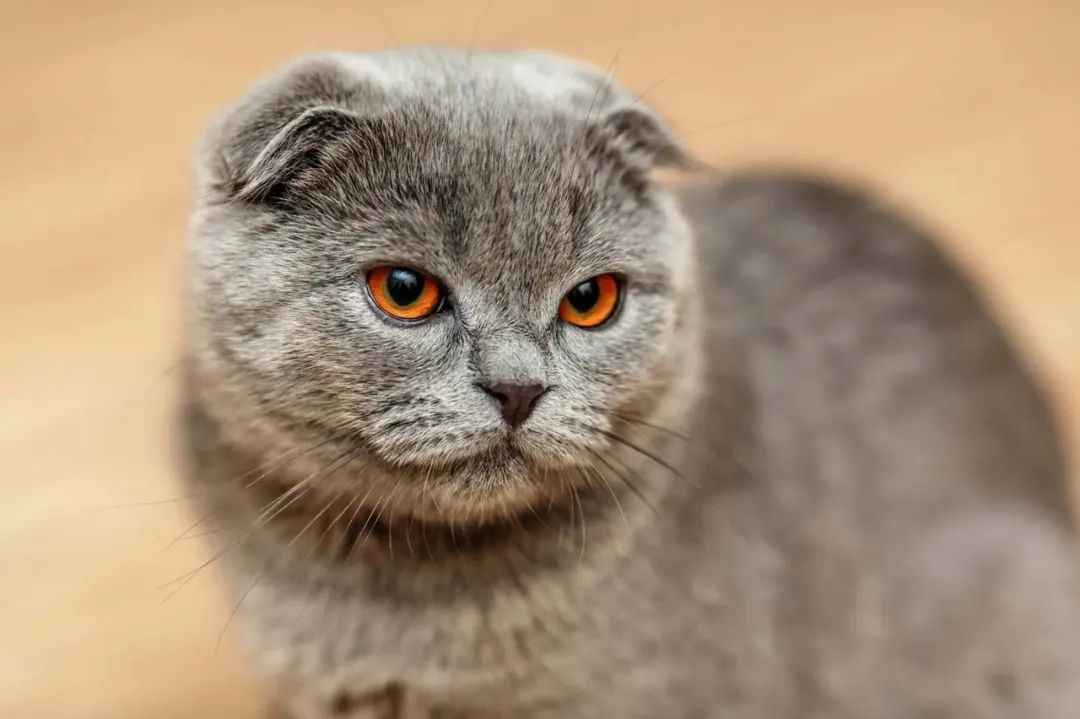
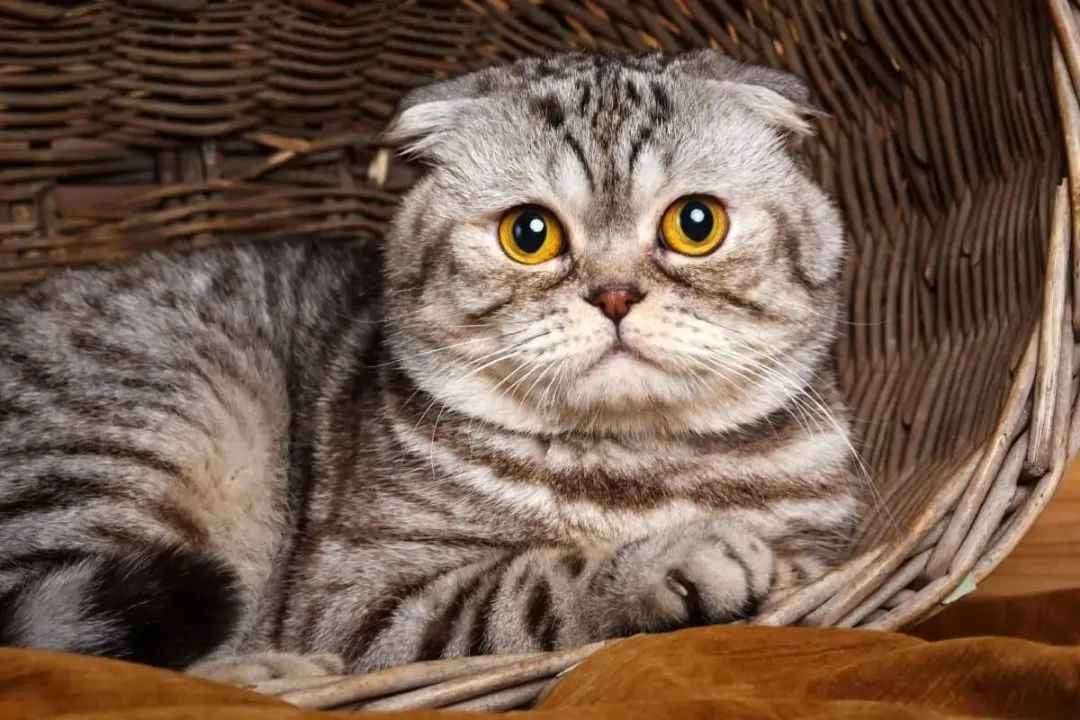
In recent years, the Scottish Fold cat has become an internet sensation, celebrated for its distinctive folded ears and owl-like appearance. However, behind the adorable facade lies a dark reality rooted in genetic abnormality and ethical debate. This breed, born from a spontaneous mutation in a Scottish barn cat named Susie in 1961, has sparked global controversy over its health implications and breeding practices.

The fold in the cat’s ears is caused by a dominant genetic mutation affecting cartilage development, leading to osteochondrodysplasia—a condition that causes chronic joint pain, bone deformities, and progressive arthritis 310. Scientific evidence confirms that all Scottish Folds, whether homozygous or heterozygous for the fold gene, suffer from varying degrees of this incurable disease. Symptoms range from stiff tails and shortened limbs to debilitating lameness, often forcing owners to consider euthanasia due to unbearable pain 311.


Despite these risks, the breed’s popularity surged, fueled by celebrity ownership. Stars like Taylor Swift and Ed Sheeran, who frequently feature their Scottish Folds on social media, inadvertently amplified demand 18. This trend has drawn criticism from animal welfare groups, including the British Veterinary Association, which calls for a breeding ban, and Germany, which classifies the practice as "torture breeding" (Qualzucht) 78.
 

Source: Images from the Internet, if there is any infringement, please contact the removal of


Breeding guidelines attempt to mitigate risks by pairing Scottish Folds with straight-eared cats like British Shorthairs. However, even heterozygous kittens face lifelong health challenges. The Governing Council of the Cat Fancy (GCCF) banned breed registration in the 1970s, yet the breed remains recognized by other organizations, perpetuating its existence 412.


The Scottish Fold’s story underscores a broader crisis in pedigree breeding, where aesthetics often override animal welfare. While some argue for responsible ownership and veterinary care, critics emphasize that the breed’s very existence is inherently unethical. As awareness grows, calls to phase out Scottish Fold breeding are gaining traction, urging consumers to adopt rescue cats instead 18.


In 2025, the average cost of a Scottish Fold kitten ranges from $500 to $3,000, reflecting both its rarity and the ethical compromises embedded in its creation 9. For now, the breed’s future hangs in the balance, caught between adoration and condemnation—a poignant reminder of the price paid for human desire.
Latest Stories
Feline News2 minute readThe Korat cat, originating from Thailand’s Nakhon Ratchasima province (formerly Korat), is a breed deeply rooted in history and cultural significance. Revered for centuries as a symbol of good luck and prosperity, these silver-blue felines have enchanted the world with their striking appearance and affectionate nature.
Feline News2 minute readThe Burmese cat, a breed steeped in history and adored for its regal charm, continues to captivate cat lovers worldwide. Originating from Myanmar (formerly Burma), these medium-sized shorthairs are celebrated for their luxurious coat, affectionate demeanor, and intelligence. Here’s an in-depth look at this ancient breed, combining the latest research and international standards
Feline News2 minute readThe Russian Blue, with its silvery-blue coat and piercing emerald eyes, stands as a paragon of feline elegance, earning the title "Noble of the Shorthairs" 5. Originating from Arkhangelsk Port in Russia—once known as the "Blue Angel Harbor"—this ancient breed derived its name not from color but from its birthplace 3. In 1860, sailors introduced them to Europe, and they debuted at London's Crystal Palace Exposition in 1875 as "Archangel Cats," captivating audiences with their otherworldly allure
Astro Information1 minute readEnceladus, Saturn’s icy moon, harbors a subsurface ocean beneath tiger-stripe fractures that erupt icy particles into space. These geysers form a dense ice cloud over the south pole, feeding Saturn’s faint E ring. The Cassini spacecraft (2004–2017) provided definitive evidence, capturing this true-color, high-resolution image during a close flyby, revealing shadowed ice chasms and active vents.
Animal Information1 minute readNative to Africa, warthogs (Phacochoerus) earn their name from the fleshy facial warts beneath their eyes. Split into the common warthog and desert warthog, these ungulates have heads comprising one-third of their body length, with tusks reaching 64 cm. They subsist on grass roots and tubers, surviving months without water—adaptations that define their harsh savanna lifestyle.
Astro Information2 minute readA close-up from NASA’s Mars Reconnaissance Orbiter (MRO) HiRISE camera unveils the weathered craters and aeolian features of southern Acidalia Planitia. While standard HiRISE imagery often appears in striking blue tones—a result of multispectral processing to enhance geological details—the region would likely appear gray or pale red to human eyes. Of course, no human has yet witnessed this Martian landscape firsthand—unless we count Andy Weir’s fictional NASA astronaut in The Martian.
Feline News1 minute readDubbed the "parlor panther," the Bombay Cat captivates with its jet-black coat and mesmerizing copper-gold eyes, an uncanny resemblance to the wild black leopard. Originating in 1958, Kentucky breeder Nikki Horner meticulously crossed sable Burmese cats with black American Shorthairs, aiming to create a domestic feline embodying both exotic allure and gentle temperament. After years of selective breeding, her vision became reality, establishing the Bombay as a breed that bridges wild aesthetics with affectionate companionship.