
1 minute read

The Quirky Boxfish: A Living Underwater Cartoon in Tropical Reefs

In the vibrant coral reefs of the Indian and Pacific Oceans, the Ostracion cubicus, or "papaya fish," adds a splash of whimsy to the marine world. Growing between 10 to 25 centimeters in length, this tropical inhabitant dwells among coral formations, munching on algae and small invertebrates. Its unique appearance makes it stand out like a character from an animated film.
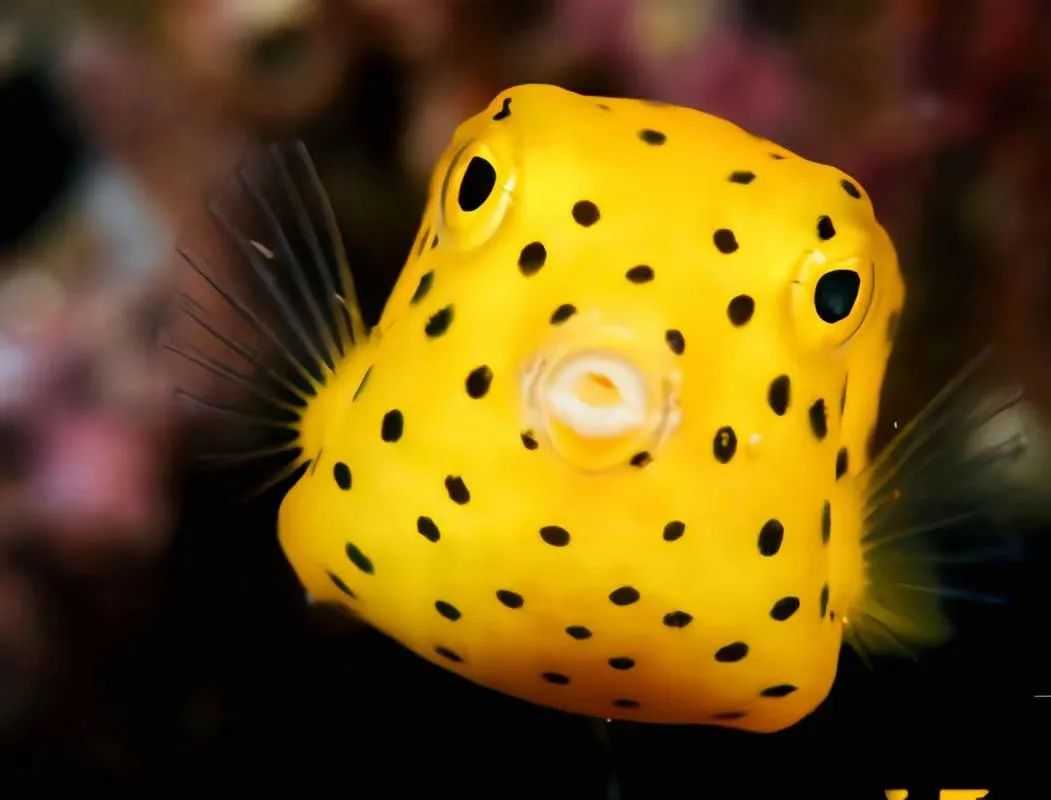
The Quirky Boxfish: A Living Underwater Cartoon in Tropical Reefs
1 minute read

The Enchanting Spotted Seal: A Guardian of Northern Waters

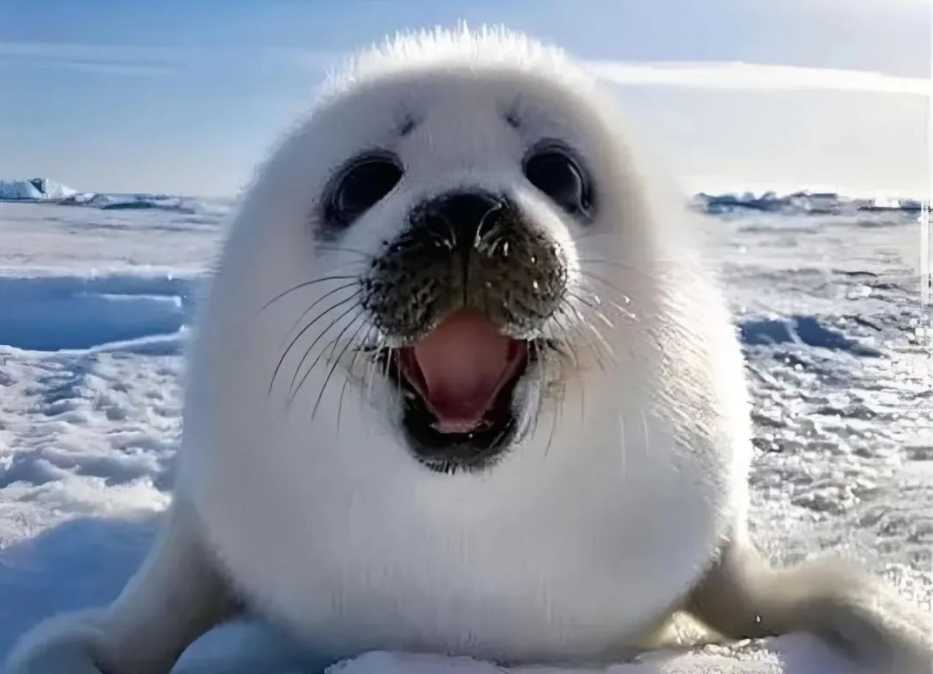
In the temperate seas of the Northern Hemisphere, the spotted seal (Phoca largha) thrives as a charismatic marine mammal. Growing 1.5 to 2 meters in length, this species relies on a diet of fish and shellfish to sustain its life in the ocean’s dynamic ecosystems. As a first-class protected animal in China, it holds a critical place in conservation efforts aimed at preserving marine biodiversity.
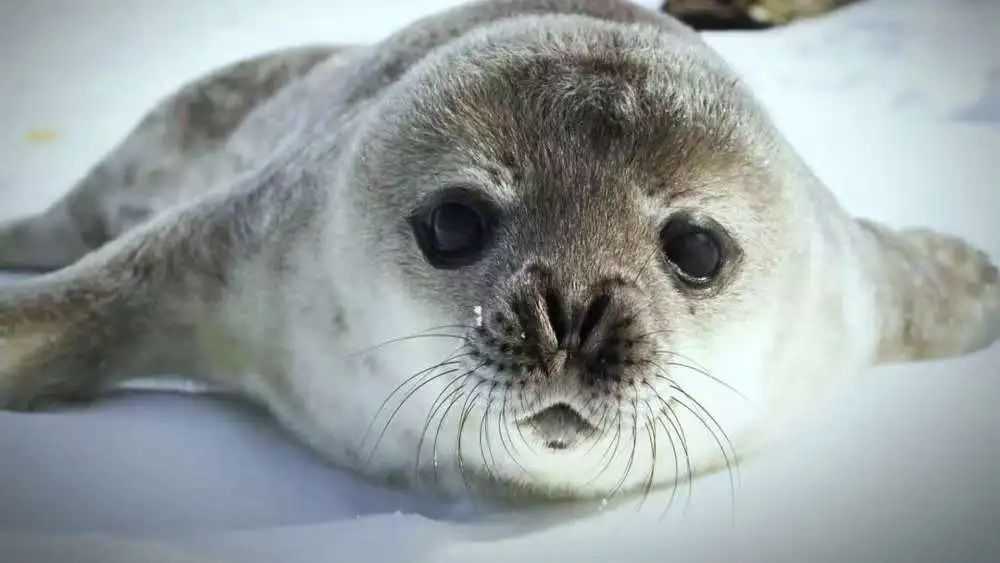
The Enchanting Spotted Seal: A Guardian of Northern Waters
1 minute read

The Friendly Faces of the Sea: Bottlenose Dolphins

Widely distributed in tropical to temperate oceans, bottlenose dolphins (Tursiops truncatus) are beloved for their intelligence and approachable demeanor. Ranging from 2 to 4 meters in length, these marine mammals feed primarily on fish and squid, navigating coastal waters and open seas with remarkable agility. Their iconic appearance and social nature make them a favorite among marine enthusiasts worldwide.
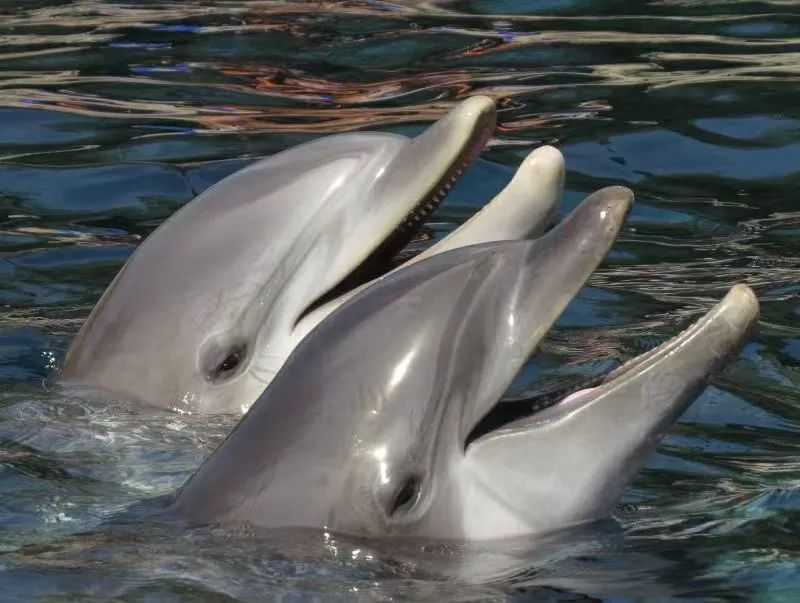
The Friendly Faces of the Sea: Bottlenose Dolphins
1 minute read

The Dapper "Gentlemen" of the Antarctic: Chinstrap Penguins

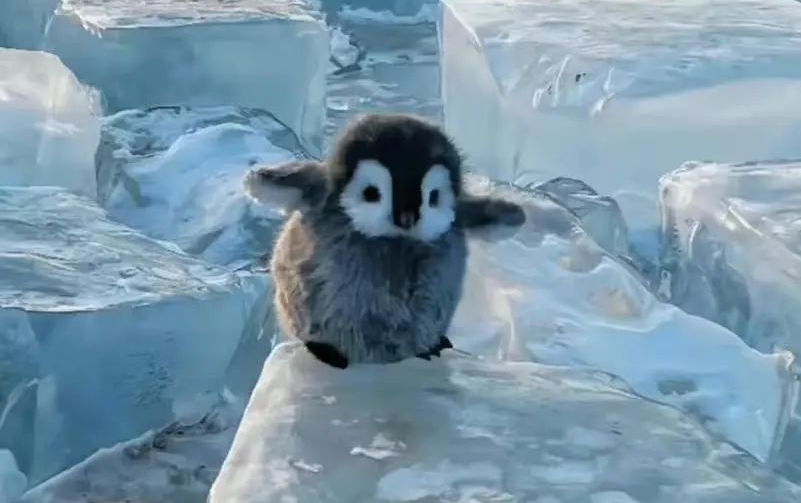
Inhabiting the windswept islands surrounding Antarctica, chinstrap penguins (Pygoscelis antarctica) are small yet striking birds perfectly adapted to life in the harsh southern polar region. Standing about 70 centimeters tall, these penguins thrive on a diet of krill and small fish, navigating icy waters and rocky shores with equal ease. Their distinctive appearance makes them one of the most recognizable species in the Antarctic ecosystem.
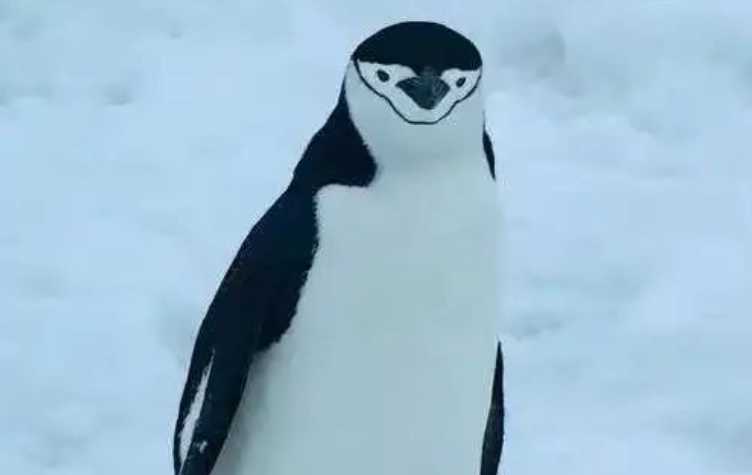
The Dapper "Gentlemen" of the Antarctic: Chinstrap Penguins
1 minute read

The "Giant Panda of the Water": Yangtze Finless Porpoises

In the waters of the Yangtze River and its coastal regions dwells a diminutive cetacean known as the Yangtze finless porpoise, revered as the "giant panda of the water." Measuring about 1.5 meters in length, this critically endangered species is a national first-class protected animal, with its population teetering on the edge of survival. Its unique appearance and ecological significance make it a symbol of urgency for freshwater conservation.
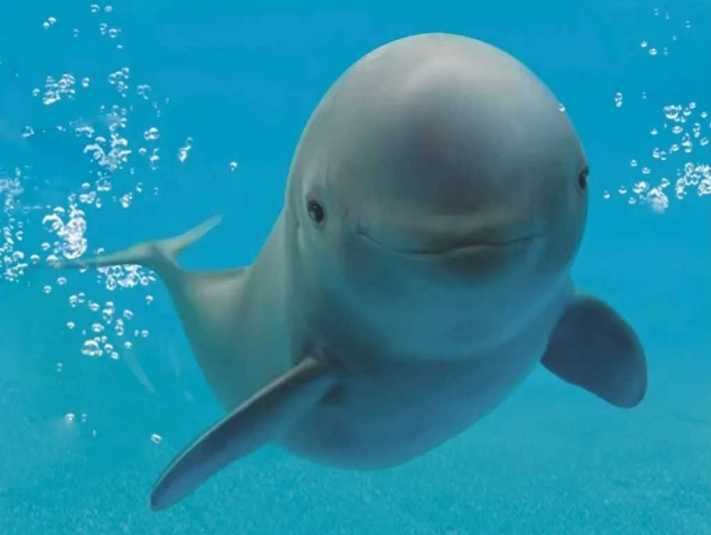
The "Giant Panda of the Water": Yangtze Finless Porpoises
1 minute read

The Poisonous Beauty of the Reefs: Lionfish

In the warm waters of tropical and temperate regions, the lionfish, or Pterois, is a striking inhabitant of coral reefs. Growing to around 30 centimeters in length, this carnivorous fish commands attention not only for its predatory nature but also for its flamboyant appearance. As it glides among the coral, it stands out as both a marvel and a cautionary presence in the marine ecosystem.
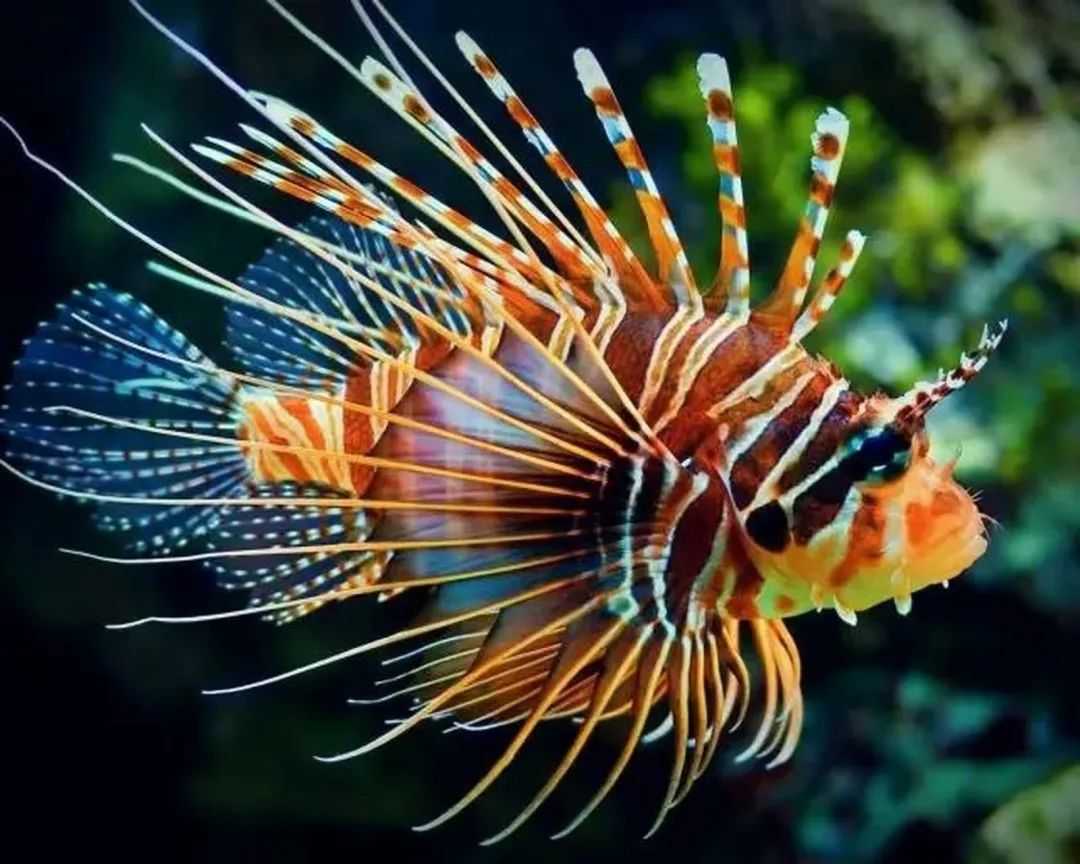
The Poisonous Beauty of the Reefs: Lionfish
1 minute read

The Enchanting Sea Horses: Nature’s Miniature Marine Marvels

While it’s no secret that sea horses aren’t horses, these captivating creatures have long charmed observers with their whimsical appearance and unique behaviors. Belonging to the Syngnathidae family of bony fish, sea horses inhabit tropical and temperate shallow waters, ranging in size from 5 to 30 centimeters. Unlike most fish, they boast a suite of adaptations that make them stand out as true oddities of the ocean.
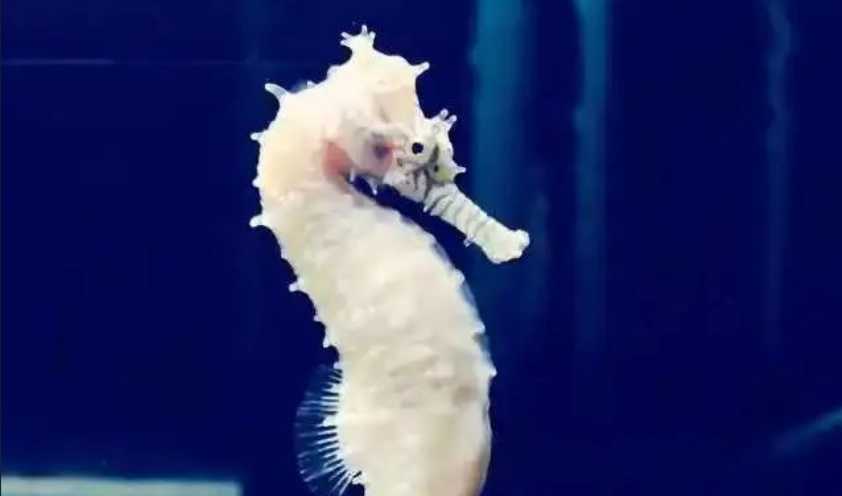
The Enchanting Sea Horses: Nature’s Miniature Marine Marvels
1 minute read

Tylosaurus: The Colossal Marine Reptile of the Cretaceous Seas

Dominating the oceans approximately 70 million years ago during the Cretaceous period, Tylosaurus stood as a fearsome apex predator and one of the largest members of the mosasaur family. Stretching an imposing 14.5 meters in length, this marine reptile combined the sleek agility of a modern-day shark with the raw power of a prehistoric giant, ruling the ancient seas with unmatched ferocity.
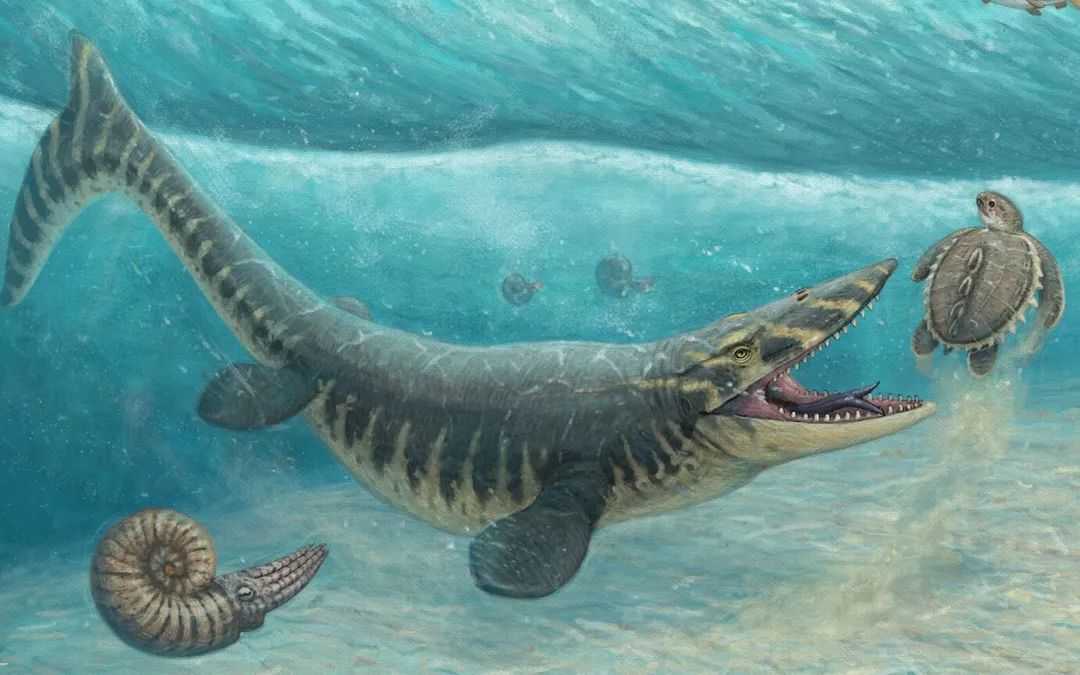
Tylosaurus: The Colossal Marine Reptile of the Cretaceous Seas

Latest Stories
Feline News2 minute readThe Korat cat, originating from Thailand’s Nakhon Ratchasima province (formerly Korat), is a breed deeply rooted in history and cultural significance. Revered for centuries as a symbol of good luck and prosperity, these silver-blue felines have enchanted the world with their striking appearance and affectionate nature.
Feline News2 minute readThe Burmese cat, a breed steeped in history and adored for its regal charm, continues to captivate cat lovers worldwide. Originating from Myanmar (formerly Burma), these medium-sized shorthairs are celebrated for their luxurious coat, affectionate demeanor, and intelligence. Here’s an in-depth look at this ancient breed, combining the latest research and international standards
Feline News2 minute readThe Russian Blue, with its silvery-blue coat and piercing emerald eyes, stands as a paragon of feline elegance, earning the title "Noble of the Shorthairs" 5. Originating from Arkhangelsk Port in Russia—once known as the "Blue Angel Harbor"—this ancient breed derived its name not from color but from its birthplace 3. In 1860, sailors introduced them to Europe, and they debuted at London's Crystal Palace Exposition in 1875 as "Archangel Cats," captivating audiences with their otherworldly allure
Astro Information1 minute readEnceladus, Saturn’s icy moon, harbors a subsurface ocean beneath tiger-stripe fractures that erupt icy particles into space. These geysers form a dense ice cloud over the south pole, feeding Saturn’s faint E ring. The Cassini spacecraft (2004–2017) provided definitive evidence, capturing this true-color, high-resolution image during a close flyby, revealing shadowed ice chasms and active vents.
Animal Information1 minute readNative to Africa, warthogs (Phacochoerus) earn their name from the fleshy facial warts beneath their eyes. Split into the common warthog and desert warthog, these ungulates have heads comprising one-third of their body length, with tusks reaching 64 cm. They subsist on grass roots and tubers, surviving months without water—adaptations that define their harsh savanna lifestyle.
Astro Information2 minute readA close-up from NASA’s Mars Reconnaissance Orbiter (MRO) HiRISE camera unveils the weathered craters and aeolian features of southern Acidalia Planitia. While standard HiRISE imagery often appears in striking blue tones—a result of multispectral processing to enhance geological details—the region would likely appear gray or pale red to human eyes. Of course, no human has yet witnessed this Martian landscape firsthand—unless we count Andy Weir’s fictional NASA astronaut in The Martian.
Feline News1 minute readDubbed the "parlor panther," the Bombay Cat captivates with its jet-black coat and mesmerizing copper-gold eyes, an uncanny resemblance to the wild black leopard. Originating in 1958, Kentucky breeder Nikki Horner meticulously crossed sable Burmese cats with black American Shorthairs, aiming to create a domestic feline embodying both exotic allure and gentle temperament. After years of selective breeding, her vision became reality, establishing the Bombay as a breed that bridges wild aesthetics with affectionate companionship.