1 minute read

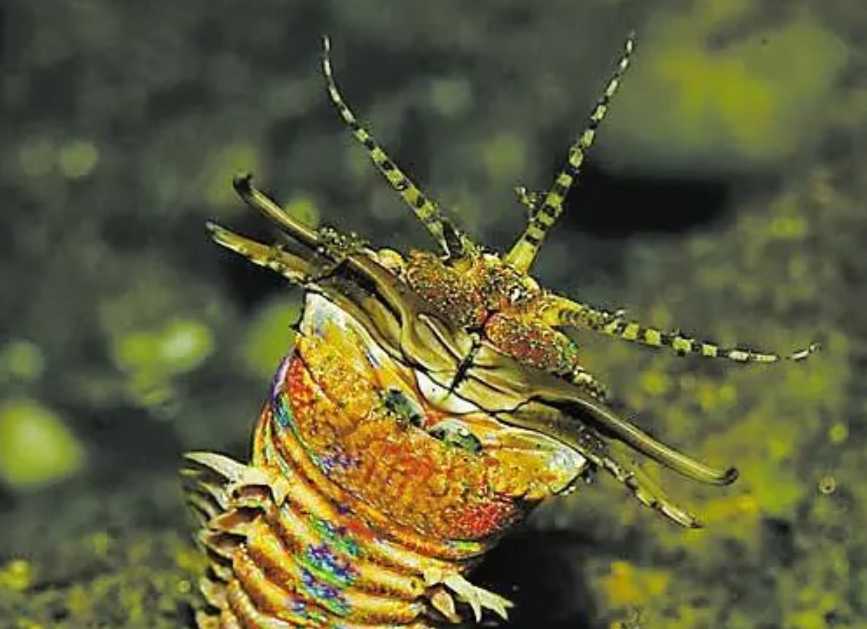
The Bobbit Worm: Ocean’s Deadly Ambush Predator

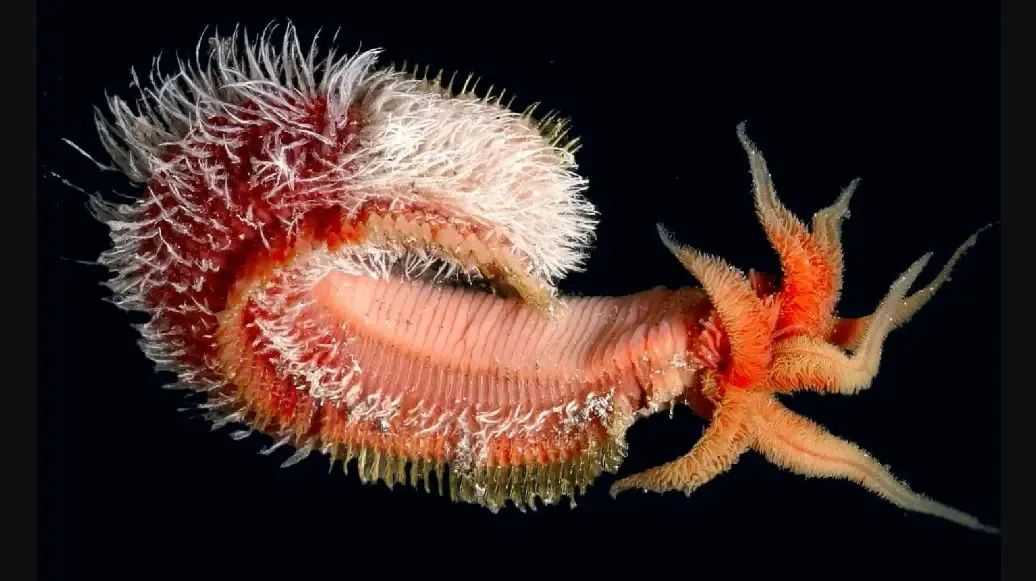
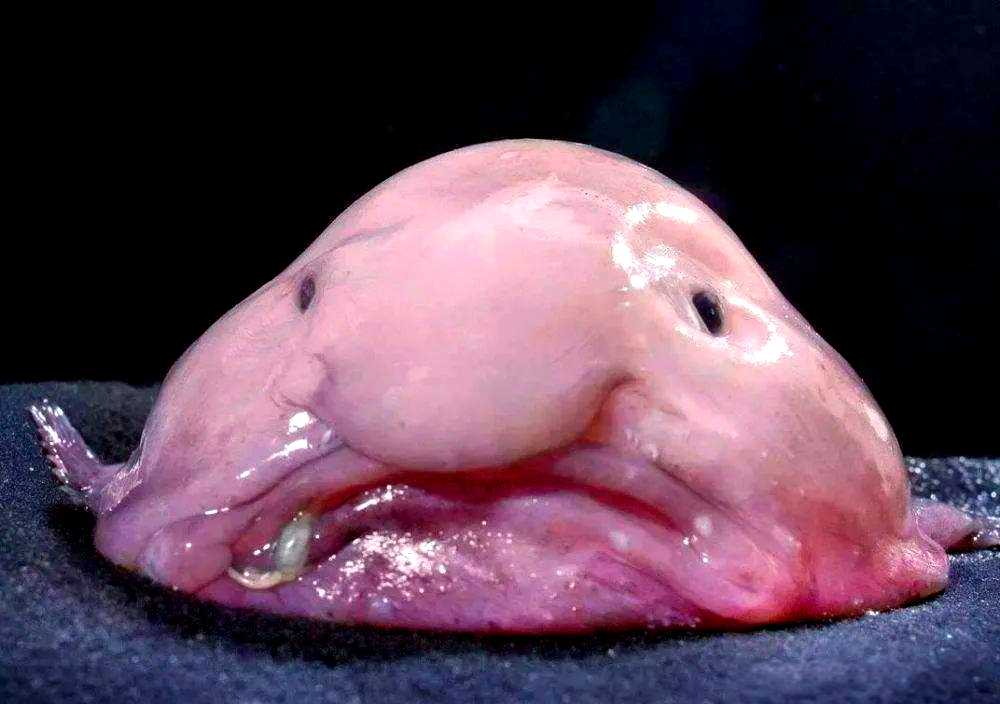
In the depths of tropical seas lurks Eunice aphroditois, better known as the Bobbit worm—a creature so fearsome it’s dubbed “the true worm of hell.” With a body stretching up to 3 meters, this marine predator hides beneath sandy seabeds, using its five bioluminescent tentacles as lures, ready to unleash a deadly surprise on unsuspecting prey.
The Bobbit Worm: Ocean’s Deadly Ambush Predator
1 minute read

The Enigmatic Wolf Fish: Masters of the Cold - Water Depths

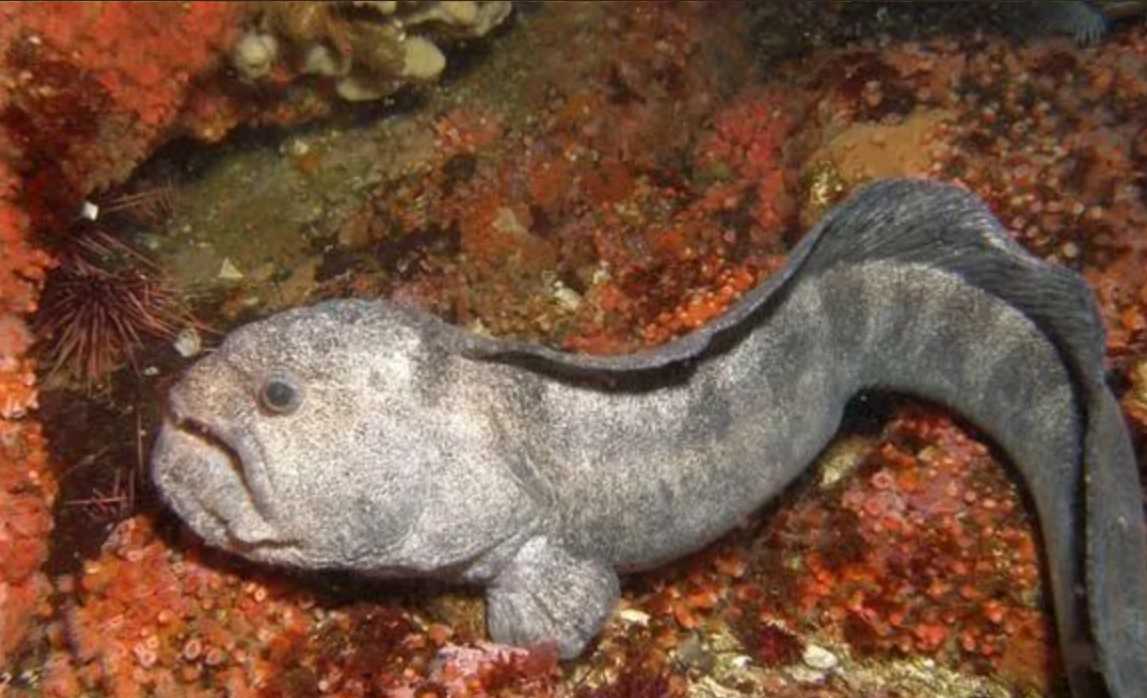
In the frigid waters of the Atlantic and North Pacific Oceans dwells the remarkable wolf fish, a species reaching up to 1.5 meters in length and belonging to the order Anarhichadiformes. The Atlantic wolffish, commonly known as the ocean catfish, and the Bering wolffish are its prominent representatives, each adapted to distinct underwater habitats.
The Enigmatic Wolf Fish: Masters of the Cold - Water Depths
1 minute read

The Stealthy Carpet Sharks: Masters of Camouflage and Ambush

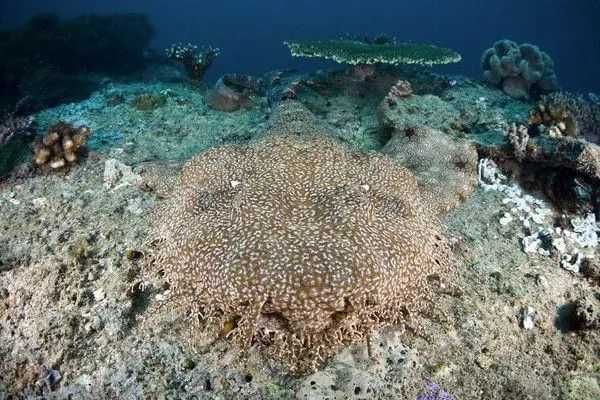
In the depths of the ocean, carpet sharks lurk, aptly named for their uncanny resemblance to underwater rugs. These sharks lie motionless on the seabed, blending seamlessly with the ocean floor. Their remarkable camouflage allows them to patiently await unsuspecting prey, striking with sudden speed when the opportunity arises.
The Stealthy Carpet Sharks: Masters of Camouflage and Ambush
1 minute read

The Enormous Japanese Spider Crab: A Living Marvel of the Deep-Sea Realm

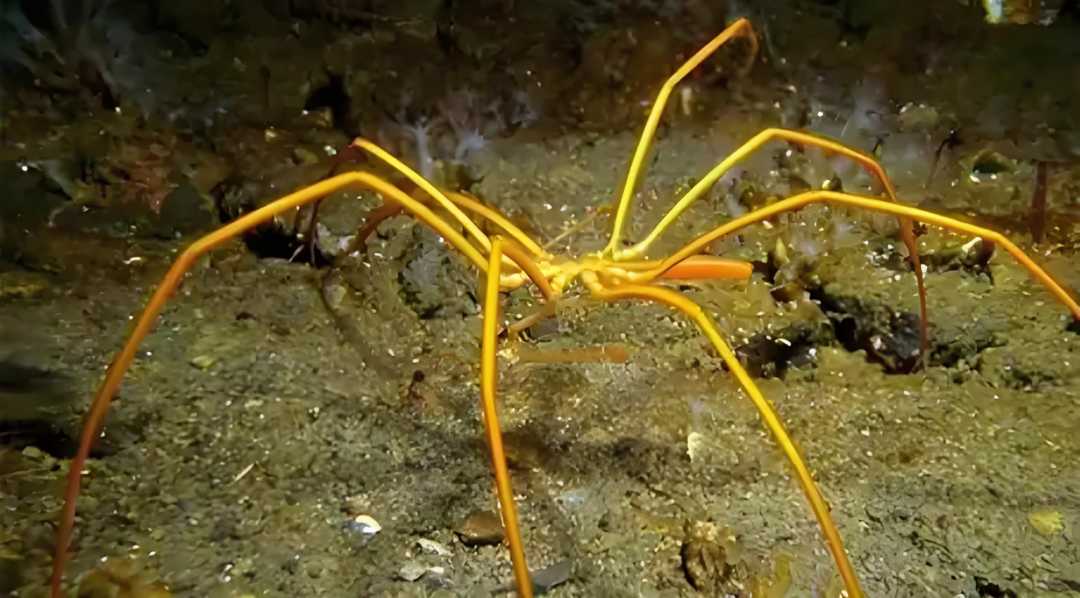
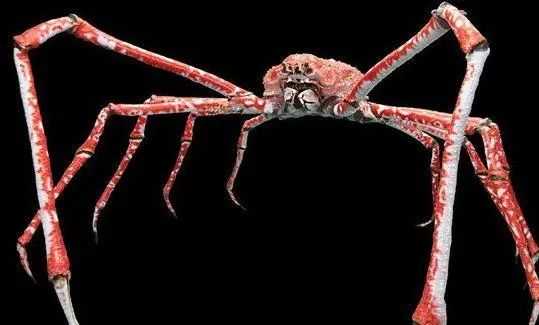
As the largest crab species on Earth, it belongs to the spider crab family and has adapted to life on the ocean floor, where it navigates the harsh environment with its distinct crawling motion, resembling a giant, otherworldly spider.
The Enormous Japanese Spider Crab: A Living Marvel of the Deep-Sea Realm
1 minute read

The Giant Isopod: Deep-Sea Living Fossil and Resilient Marvel

In the abyssal depths of the Indo - West Pacific and western Atlantic Oceans, the giant isopod, also known as the "giant deep - sea louse" or "deep - sea pangolin," roams. With an appearance resembling an oversized louse, it features two pairs of antennae, seven pairs of jointed limbs, and a distinctive shield - like exoskeleton made of calcium - rich scales that merge seamlessly with its head and tail.
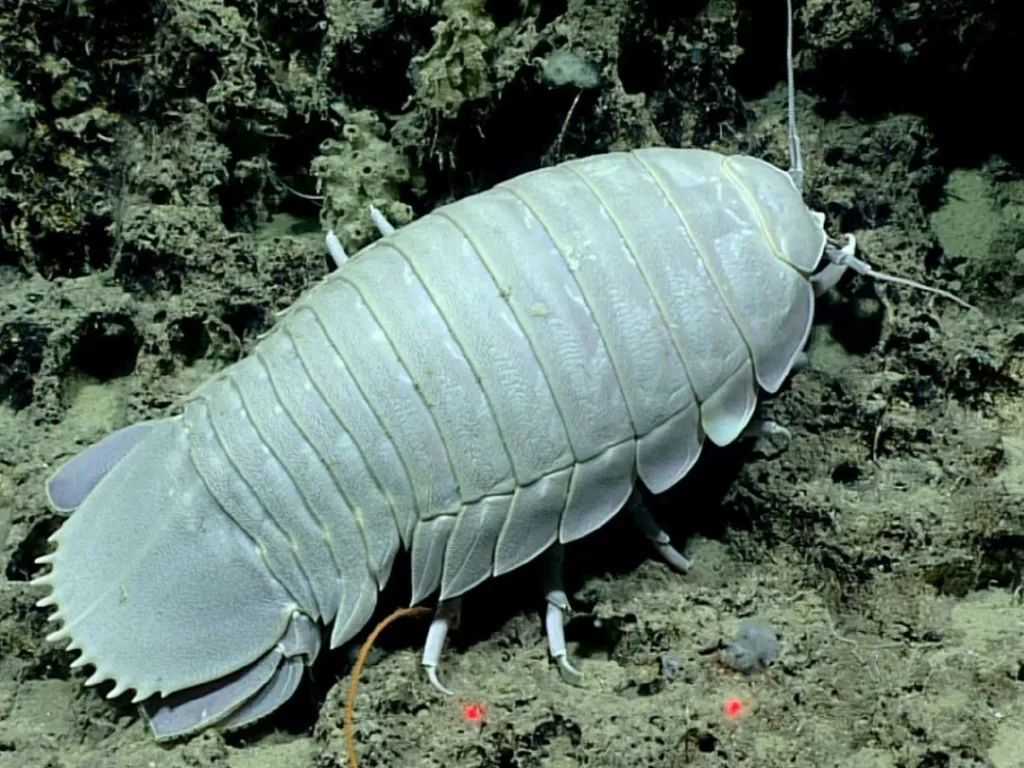
The Giant Isopod: Deep-Sea Living Fossil and Resilient Marvel
1 minute read

The Ocean's Laid - Back Giant: The Fascinating Sunfish

Meet the ocean sunfish, or Mola mola, the world’s heaviest bony fish. Growing up to 3 meters in length and weighing a staggering 2 tons, this gentle giant inhabits warm seas around the globe. With its distinctive flattened, disc - shaped body, a rudimentary wavy tail, and sail - like dorsal and anal fins, the sunfish cuts an unmistakable figure in the marine world.
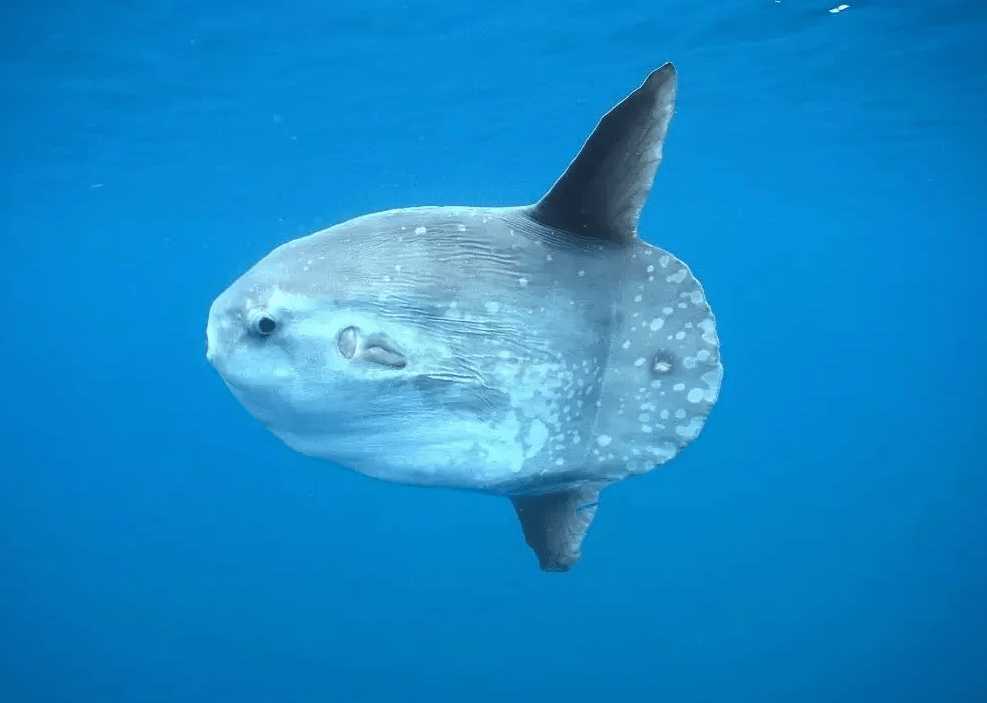
The Ocean's Laid - Back Giant: The Fascinating Sunfish
1 minute read

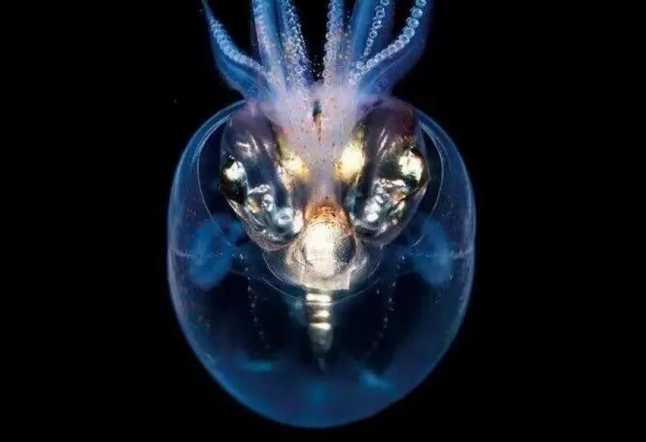
The Vampire Squid: Eerie Deep - Sea Enigmas of the Abyss

In the pitch - black, oxygen - starved depths of tropical and temperate oceans, between 600 and 4,000 meters below the surface, dwells the vampire squid, or Vampyroteuthis infernalis, a mysterious cephalopod. Measuring around 15 centimeters in length, this creature has earned its ominous moniker from its otherworldly appearance and survival tactics in one of the most extreme environments on Earth.
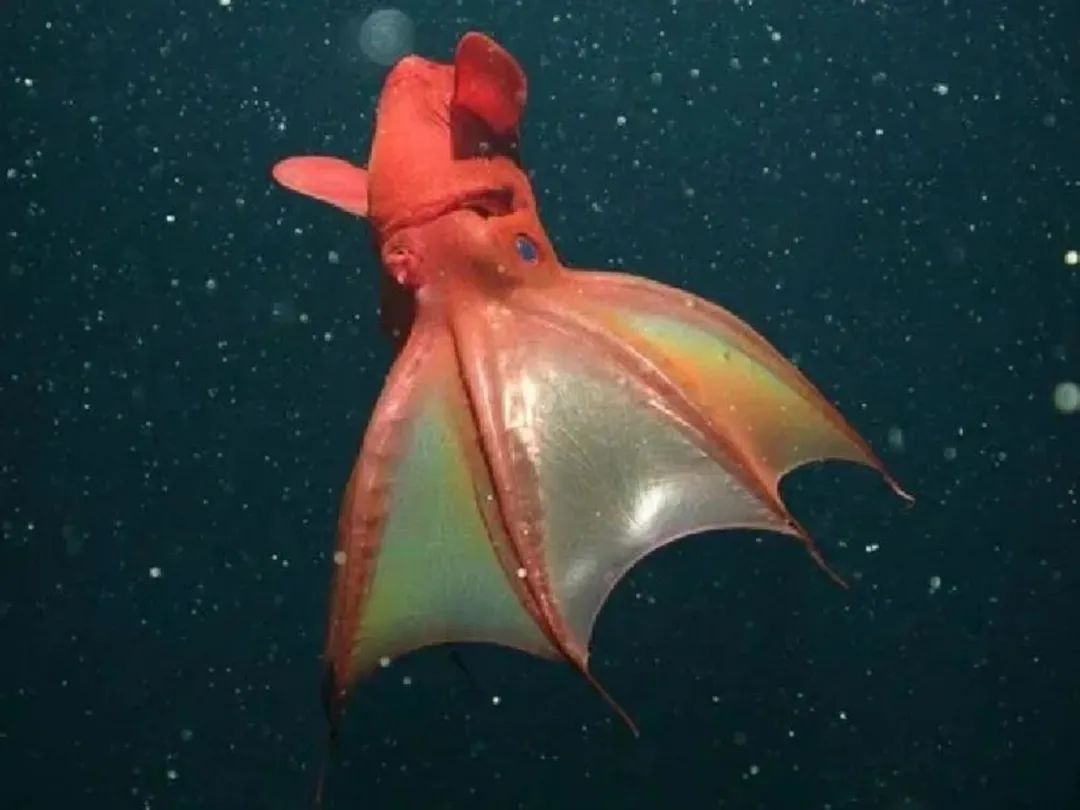
The Vampire Squid: Eerie Deep - Sea Enigmas of the Abyss
1 minute read

The Viperfish: Sinister Predator of the Deep Sea Abyss

In the pitch - black depths of tropical to temperate oceans, the viperfish lurks, a small yet fearsome deep - sea fish measuring under 35 centimeters in length. Its appearance alone is enough to send shivers down one’s spine, embodying the stuff of nightmares with features that seem ripped from the pages of a horror story.
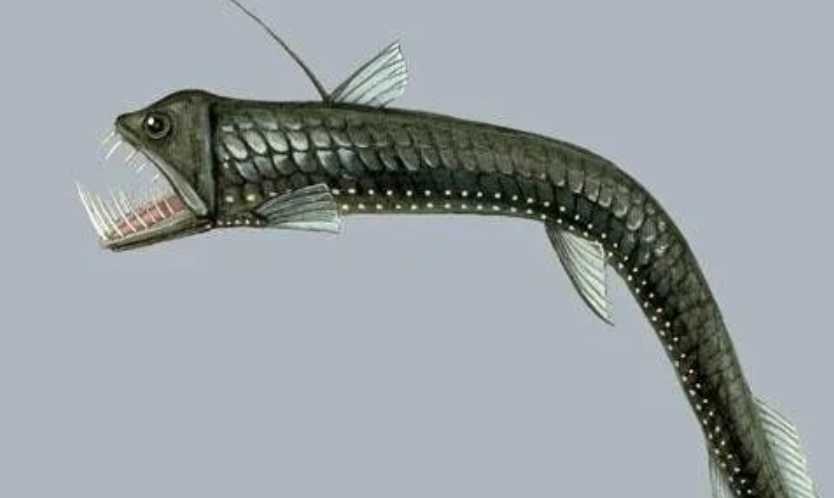
The Viperfish: Sinister Predator of the Deep Sea Abyss

Latest Stories
Feline News2 minute readThe Korat cat, originating from Thailand’s Nakhon Ratchasima province (formerly Korat), is a breed deeply rooted in history and cultural significance. Revered for centuries as a symbol of good luck and prosperity, these silver-blue felines have enchanted the world with their striking appearance and affectionate nature.
Feline News2 minute readThe Burmese cat, a breed steeped in history and adored for its regal charm, continues to captivate cat lovers worldwide. Originating from Myanmar (formerly Burma), these medium-sized shorthairs are celebrated for their luxurious coat, affectionate demeanor, and intelligence. Here’s an in-depth look at this ancient breed, combining the latest research and international standards
Feline News2 minute readThe Russian Blue, with its silvery-blue coat and piercing emerald eyes, stands as a paragon of feline elegance, earning the title "Noble of the Shorthairs" 5. Originating from Arkhangelsk Port in Russia—once known as the "Blue Angel Harbor"—this ancient breed derived its name not from color but from its birthplace 3. In 1860, sailors introduced them to Europe, and they debuted at London's Crystal Palace Exposition in 1875 as "Archangel Cats," captivating audiences with their otherworldly allure
Astro Information1 minute readEnceladus, Saturn’s icy moon, harbors a subsurface ocean beneath tiger-stripe fractures that erupt icy particles into space. These geysers form a dense ice cloud over the south pole, feeding Saturn’s faint E ring. The Cassini spacecraft (2004–2017) provided definitive evidence, capturing this true-color, high-resolution image during a close flyby, revealing shadowed ice chasms and active vents.
Animal Information1 minute readNative to Africa, warthogs (Phacochoerus) earn their name from the fleshy facial warts beneath their eyes. Split into the common warthog and desert warthog, these ungulates have heads comprising one-third of their body length, with tusks reaching 64 cm. They subsist on grass roots and tubers, surviving months without water—adaptations that define their harsh savanna lifestyle.
Astro Information2 minute readA close-up from NASA’s Mars Reconnaissance Orbiter (MRO) HiRISE camera unveils the weathered craters and aeolian features of southern Acidalia Planitia. While standard HiRISE imagery often appears in striking blue tones—a result of multispectral processing to enhance geological details—the region would likely appear gray or pale red to human eyes. Of course, no human has yet witnessed this Martian landscape firsthand—unless we count Andy Weir’s fictional NASA astronaut in The Martian.
Feline News1 minute readDubbed the "parlor panther," the Bombay Cat captivates with its jet-black coat and mesmerizing copper-gold eyes, an uncanny resemblance to the wild black leopard. Originating in 1958, Kentucky breeder Nikki Horner meticulously crossed sable Burmese cats with black American Shorthairs, aiming to create a domestic feline embodying both exotic allure and gentle temperament. After years of selective breeding, her vision became reality, establishing the Bombay as a breed that bridges wild aesthetics with affectionate companionship.