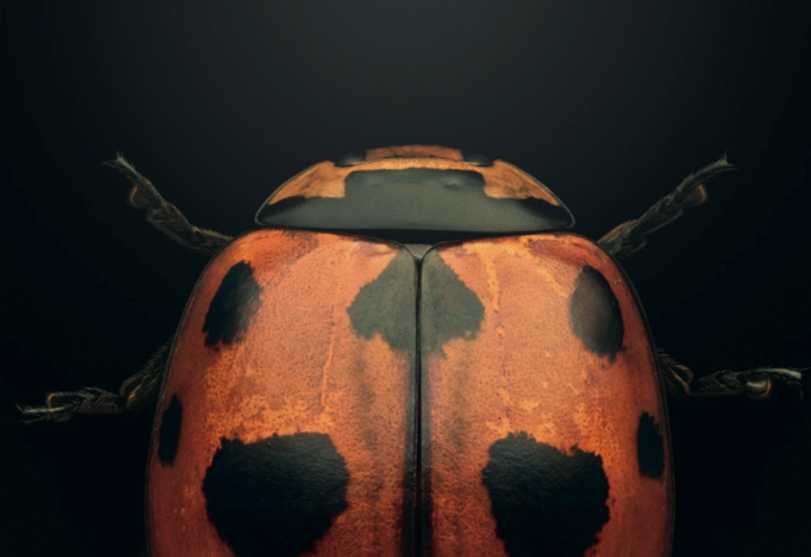
The Resilient Return of the Lord Howe Island Stick Insect
The Lord Howe Island stick insect, scientifically known as Dryococelus australis, is a remarkable insect that has captured the attention of the scientific community and nature enthusiasts alike. This species, often referred to as the "land lobster" due to its large size and robust appearance, has a unique and compelling story of near - extinction and subsequent rediscovery.
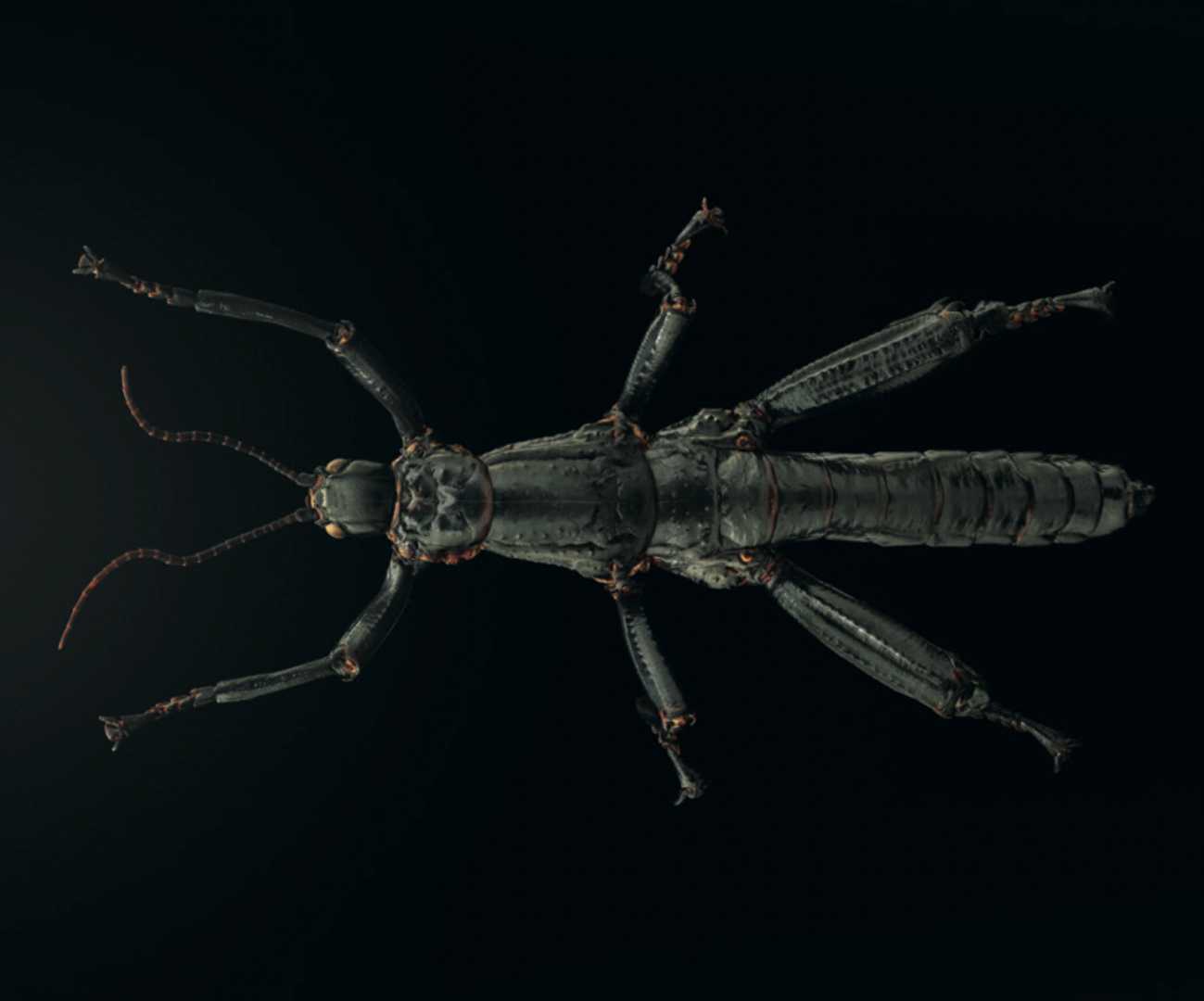
The Giant Bumblebee: Bombus dahlbomii
Bombus dahlbomii, often referred to as the "flying mouse", is one of the largest bumblebees in the world. It is the only native bumblebee species in southern South America, occupying a unique ecological niche.
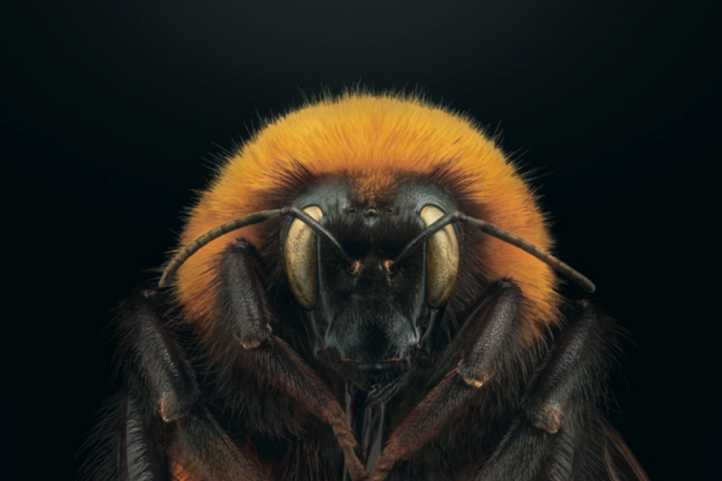
Fairyflies: The World's Tiniest Insects with a Mighty Role in Pest Control
Fairyflies, belonging to the family Mymaridae, hold the title of some of the smallest insects on Earth, measuring a mere 0.2 millimeters in length. These minuscule flyers, smaller than the eye can easily perceive, have evolved an extraordinary lifestyle as parasitic wasps, specializing in a unique ecological niche that benefits both nature and agriculture.
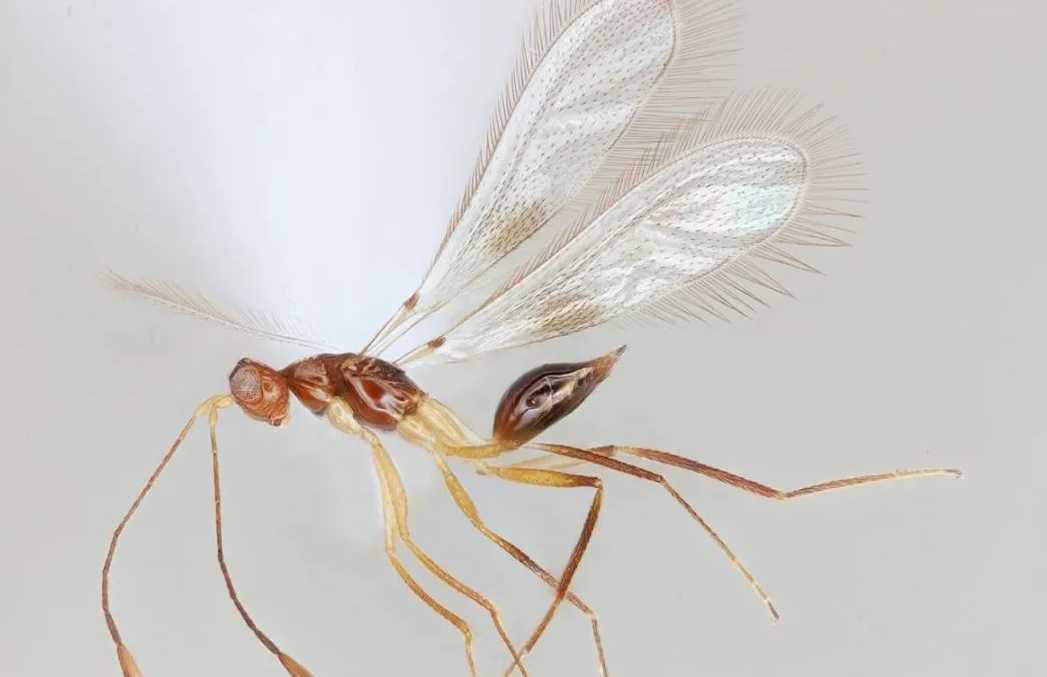
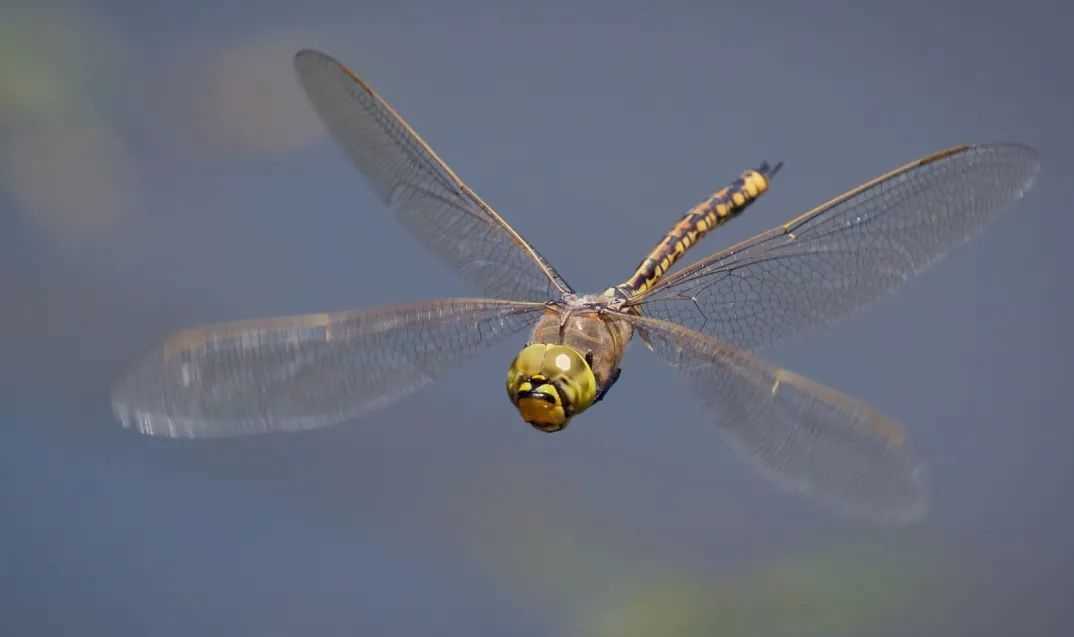
Australian Dragonfly: The Speedy Giant of the Insect World
The Australian dragonfly (Austrophlebia costalis), renowned as one of the fastest insects on Earth, boasts a breathtaking short - distance sprint speed of up to 58 kilometers per hour. As the largest among the 5,000+ dragonfly species, this majestic insect stretches up to 12 centimeters in length, blending imposing size with unparalleled aerial agility.
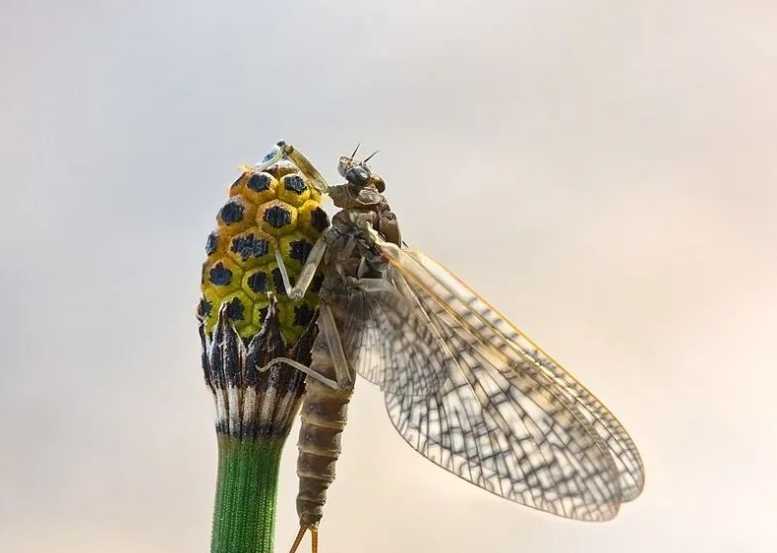
Mayflies: Nature's Ephemeral Wonders with a One - Day Legacy
Mayflies, renowned as the insects with the shortest adult lifespan, live for just a single day, a fleeting existence that has captivated scientists and poets alike. These ancient winged creatures, belonging to the order Ephemeroptera, are among the most primitive flying insects, retaining evolutionary traits that hark back to prehistoric times.
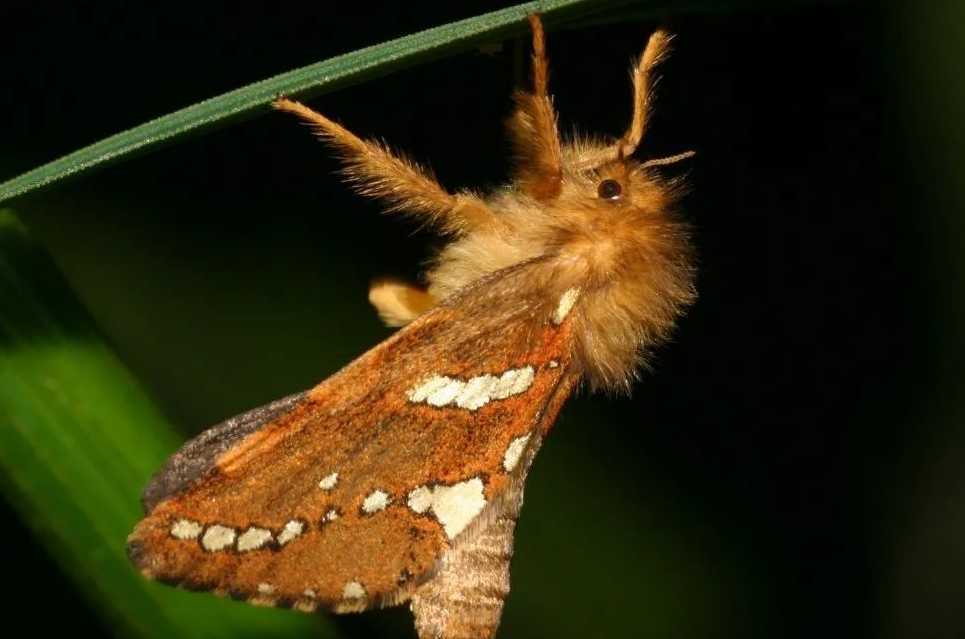
Bat Moths: A Diverse and Prolific Insect Group
Bat moths belong to the genus Hepialus in the family Hepialidae. They are a group of insects with remarkable reproductive capabilities. A female bat moth can lay more than 2,900 eggs, which is quite prolific among insects.
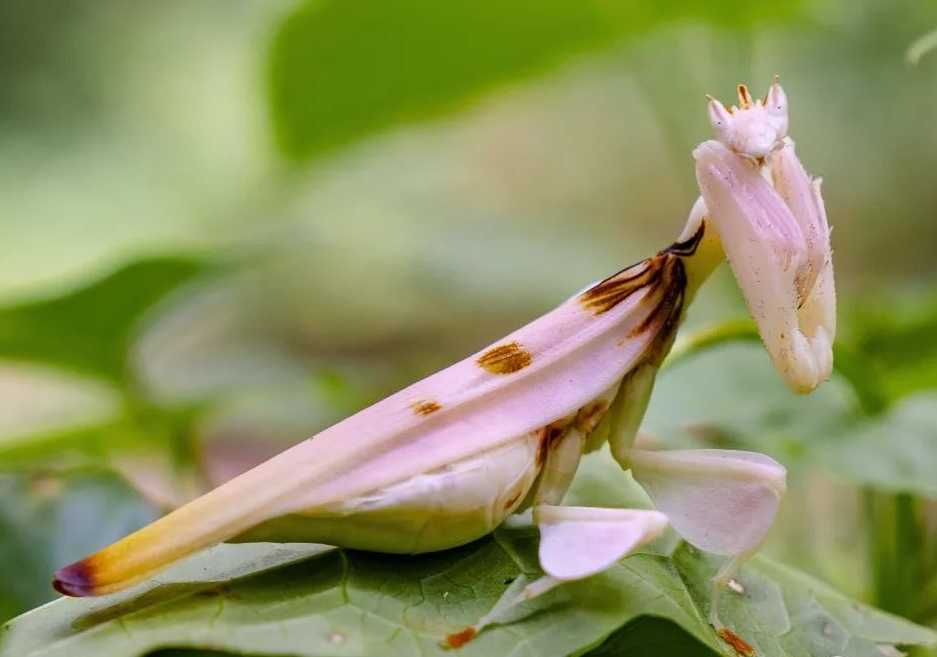
Orchid Mantis: Nature's Perfect Floral Mimic with Extreme Sexual Dimorphism
The orchid mantis (Hymenopus coronatus) stands as a marvel of evolutionary adaptation, renowned for its uncanny ability to mimic orchids—an illusion so precise it deceives both prey and observers. This species exemplifies extreme sexual dimorphism, with adult females reaching 6–7 centimeters in length, while males measure a mere 2.5 centimeters. This size disparity is matched by striking differences in appearance, making them one of the most visually distinct insect species.
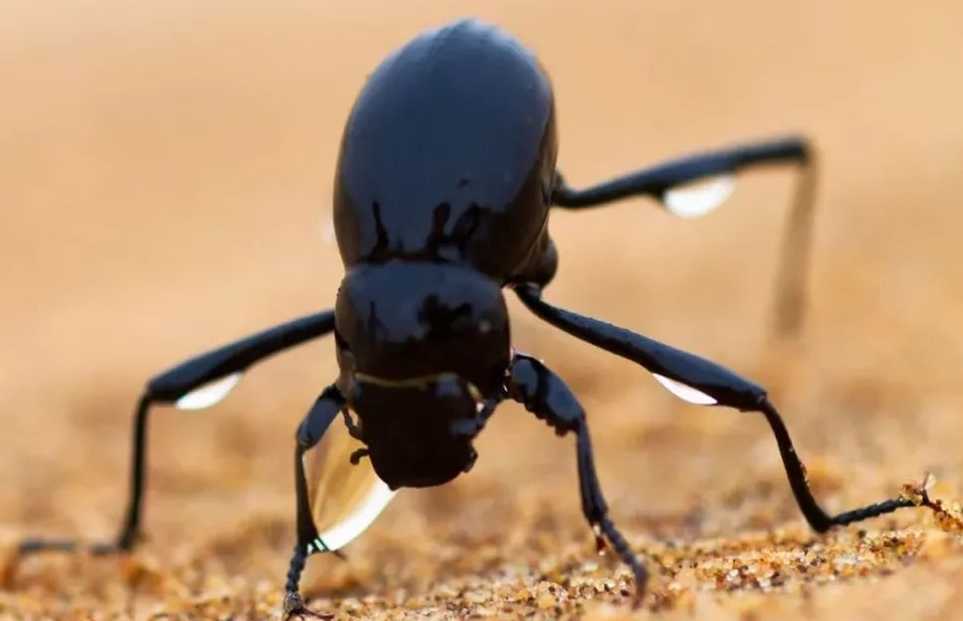
The Namib Desert Beetle (Stenocara gracilipes): Nature's Master of Fog Harvesting
The Namib Desert beetle, Stenocara gracilipes, stands as a testament to evolutionary adaptation in one of Earth’s harshest environments. This coleopteran insect, endemic to the Namib Desert of southwestern Africa, has evolved a remarkable survival strategy: harvesting fog droplets through its uniquely textured elytra, a trait that has inspired groundbreaking biomimetic water-collection technologies.