2 minute read

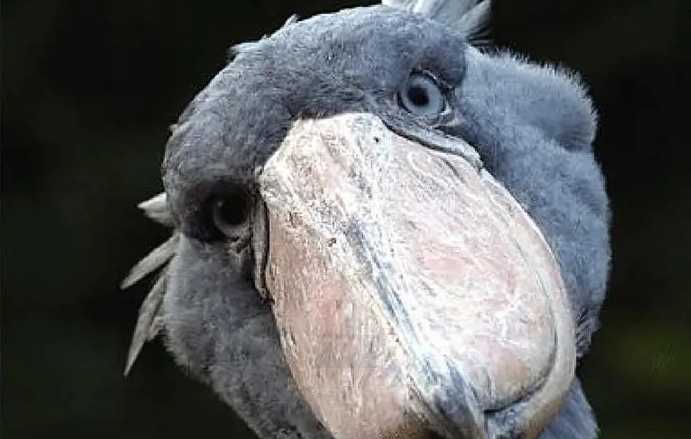
Balaeniceps rex: The Majestic Shoebill Stork of African Wetlands

Balaeniceps rex, commonly known as the shoebill stork, is an imposing and enigmatic large wading bird that commands attention with its unique appearance and elusive nature. Endemic to the vast swampy wetlands of central and eastern Africa, this species stands as a symbol of the continent’s rich aquatic ecosystems and the delicate balance of its natural habitats.
Balaeniceps rex: The Majestic Shoebill Stork of African Wetlands
1 minute read

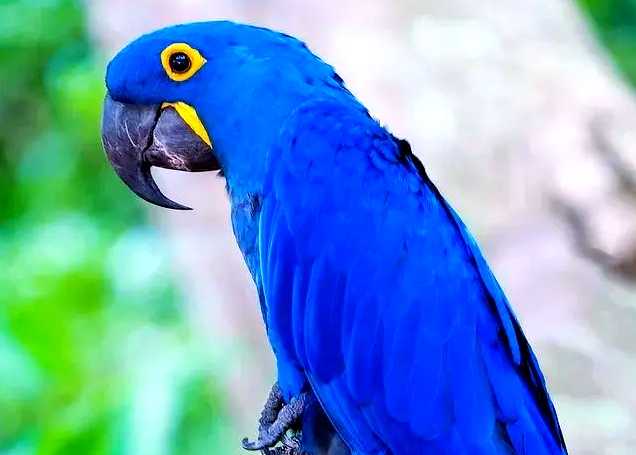
The Hyacinth Macaw: South America’s Azure Giant and Parrot Royalty

Scientifically named Anodorhynchus hyacinthinus, this parrot holds the title of the world’s largest, stretching up to 1 meter in length. Native to South America’s rainforests, it feasts on nuts and seeds, relying on its massive beak to crack open even the hardest Brazil nut shells.
The Hyacinth Macaw: South America’s Azure Giant and Parrot Royalty
2 minute read

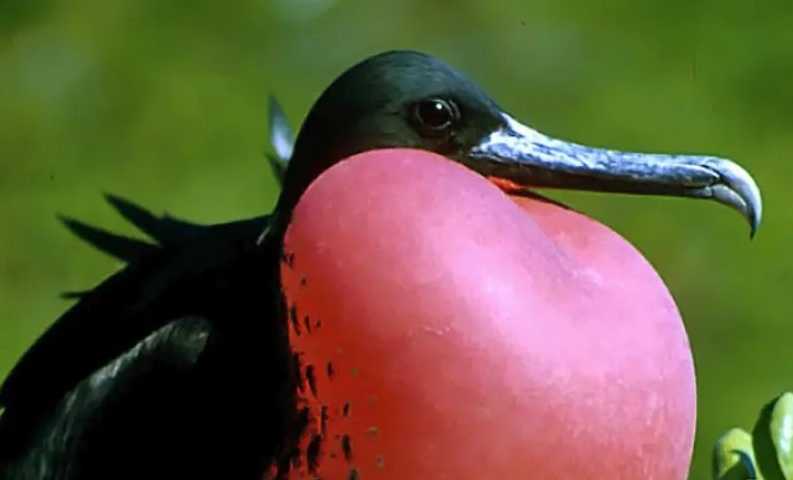
Fregata magnificens: The Regal Magnificent Frigatebird of Tropical Oceans

Fregata magnificens, commonly known as the magnificent frigatebird, is a towering seabird that commands the skies over tropical marine ecosystems. With its imposing size and aerial prowess, this species is a symbol of the open ocean’s grandeur, thriving in the warm waters and island-dotted landscapes of the tropics.
Fregata magnificens: The Regal Magnificent Frigatebird of Tropical Oceans
1 minute read

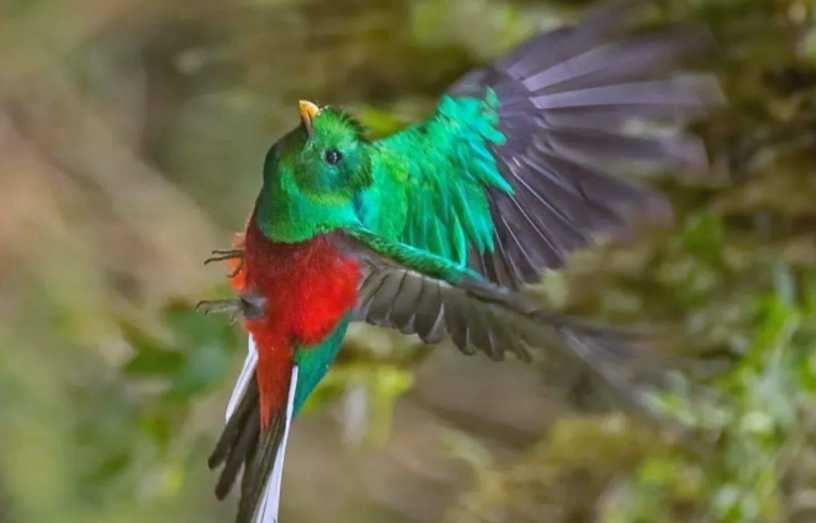
The Resplendent Quetzal: Mesoamerica’s Emerald Avian Deity and Symbol of Freedom

Scientifically named Pharomachrus mocinno, this trogon is endemic to Central American rainforests, measuring 35 cm in length and feasting on insects and fruits. Its cultural significance rivals its biological splendor: in ancient Maya civilization, it was revered as the incarnation of the feathered serpent god Quetzalcoatl, with its emerald plumage reserved exclusively for royalty. Today, it serves as Guatemala’s national bird, embodying freedom and divinity.
The Resplendent Quetzal: Mesoamerica’s Emerald Avian Deity and Symbol of Freedom
1 minute read

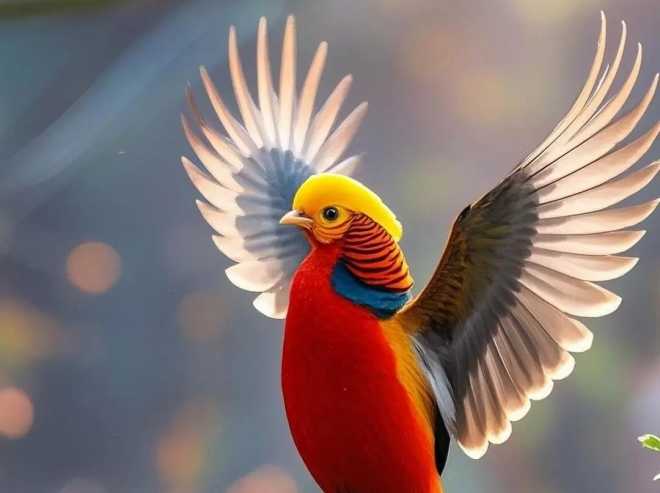
The Golden Pheasant: China’s Living Phoenix and Avian Emblem of Royalty

Scientifically named Chrysolophus pictus, this iconic pheasant is endemic to China’s central and western mountain ranges, measuring 80 cm in length and feeding on plant seeds and insects. A national second-class protected animal, it’s long been hailed as the real-world inspiration for the mythical phoenix—an association that elevated it to imperial status in ancient China.
The Golden Pheasant: China’s Living Phoenix and Avian Emblem of Royalty
1 minute read

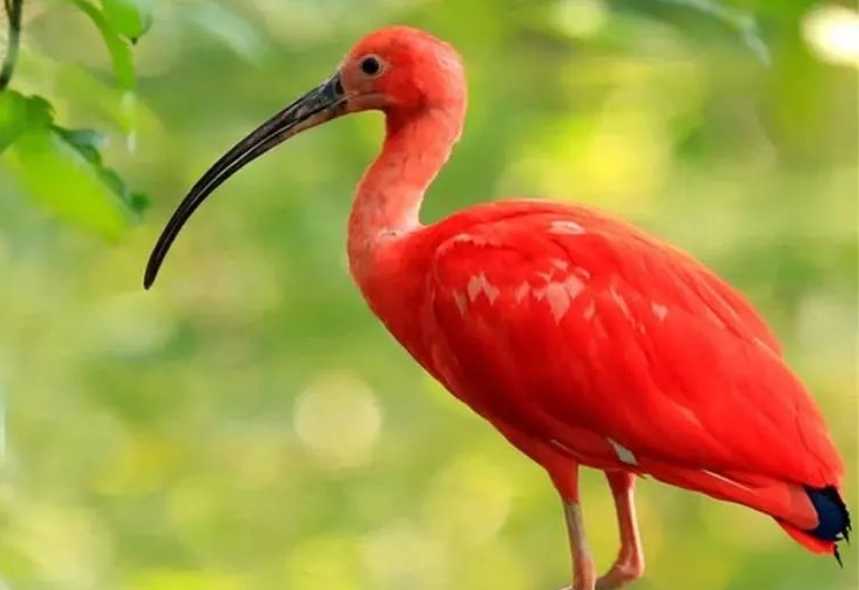
The American Flamingo: Nature’s Most Vibrant Scarlet Wonder

Scientifically named Phoenicopterus ruber, this stork-like wading bird measures 56–61 cm, inhabiting coastal wetlands, mangroves, and marshes across northern South America. Feeding on crabs and small fish, it boasts a wild lifespan of 15 years—reaching 20 in captivity. As the national bird of Trinidad and Tobago, it earns its fame from a singular trait: every feather, down to its legs, blazes in nature’s most intense scarlet, a hue so vivid it’s dubbed the "world’s reddest bird."
The American Flamingo: Nature’s Most Vibrant Scarlet Wonder
1 minute read

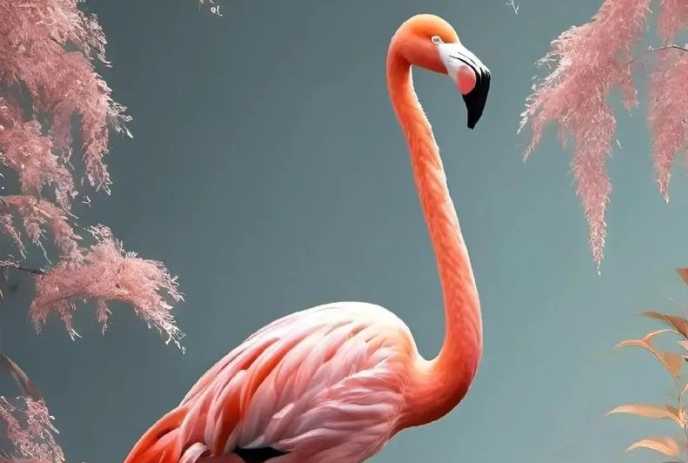
The Flamingo: Nature’s Pink Ballet Dancers and Solar Symbols

Scientifically classified under Phoenicopteridae, flamingos are majestic wading birds spanning 1–2 meters in length, comprising 3 genera and 6 species. Inhabiting salt lakes and marshy shallows across Africa, South America, and India, these social birds form massive flocks, feasting on algae and shrimp. Revered by the ancient Greeks as incarnations of Apollo, the sun god, their elegance has captivated human imagination for millennia.
The Flamingo: Nature’s Pink Ballet Dancers and Solar Symbols
1 minute read

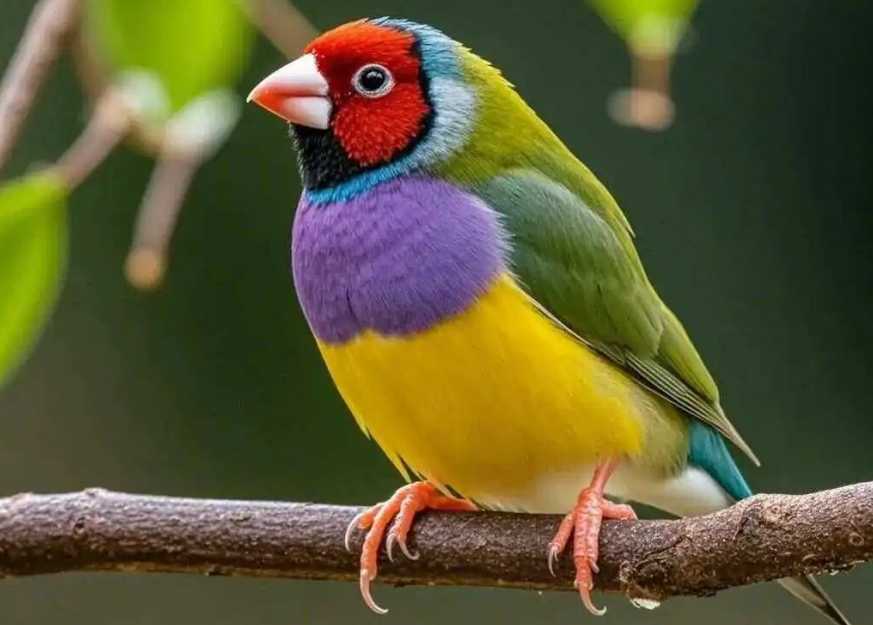
The Gouldian Finch: Australia’s Jeweled Songbird and Victorian Status Symbol

Scientifically named Chloebia gouldiae, this 12-cm passerine native to Australia’s savannas feasts on grass seeds and insects. Though wild populations now number fewer than 2,500, its dazzling plumage has made it a globally cherished ornamental bird, with captive-bred varieties outnumbering their wild counterparts.
The Gouldian Finch: Australia’s Jeweled Songbird and Victorian Status Symbol

Latest Stories
Feline News2 minute readThe Korat cat, originating from Thailand’s Nakhon Ratchasima province (formerly Korat), is a breed deeply rooted in history and cultural significance. Revered for centuries as a symbol of good luck and prosperity, these silver-blue felines have enchanted the world with their striking appearance and affectionate nature.
Feline News2 minute readThe Burmese cat, a breed steeped in history and adored for its regal charm, continues to captivate cat lovers worldwide. Originating from Myanmar (formerly Burma), these medium-sized shorthairs are celebrated for their luxurious coat, affectionate demeanor, and intelligence. Here’s an in-depth look at this ancient breed, combining the latest research and international standards
Feline News2 minute readThe Russian Blue, with its silvery-blue coat and piercing emerald eyes, stands as a paragon of feline elegance, earning the title "Noble of the Shorthairs" 5. Originating from Arkhangelsk Port in Russia—once known as the "Blue Angel Harbor"—this ancient breed derived its name not from color but from its birthplace 3. In 1860, sailors introduced them to Europe, and they debuted at London's Crystal Palace Exposition in 1875 as "Archangel Cats," captivating audiences with their otherworldly allure
Astro Information1 minute readEnceladus, Saturn’s icy moon, harbors a subsurface ocean beneath tiger-stripe fractures that erupt icy particles into space. These geysers form a dense ice cloud over the south pole, feeding Saturn’s faint E ring. The Cassini spacecraft (2004–2017) provided definitive evidence, capturing this true-color, high-resolution image during a close flyby, revealing shadowed ice chasms and active vents.
Animal Information1 minute readNative to Africa, warthogs (Phacochoerus) earn their name from the fleshy facial warts beneath their eyes. Split into the common warthog and desert warthog, these ungulates have heads comprising one-third of their body length, with tusks reaching 64 cm. They subsist on grass roots and tubers, surviving months without water—adaptations that define their harsh savanna lifestyle.
Astro Information2 minute readA close-up from NASA’s Mars Reconnaissance Orbiter (MRO) HiRISE camera unveils the weathered craters and aeolian features of southern Acidalia Planitia. While standard HiRISE imagery often appears in striking blue tones—a result of multispectral processing to enhance geological details—the region would likely appear gray or pale red to human eyes. Of course, no human has yet witnessed this Martian landscape firsthand—unless we count Andy Weir’s fictional NASA astronaut in The Martian.
Feline News1 minute readDubbed the "parlor panther," the Bombay Cat captivates with its jet-black coat and mesmerizing copper-gold eyes, an uncanny resemblance to the wild black leopard. Originating in 1958, Kentucky breeder Nikki Horner meticulously crossed sable Burmese cats with black American Shorthairs, aiming to create a domestic feline embodying both exotic allure and gentle temperament. After years of selective breeding, her vision became reality, establishing the Bombay as a breed that bridges wild aesthetics with affectionate companionship.