

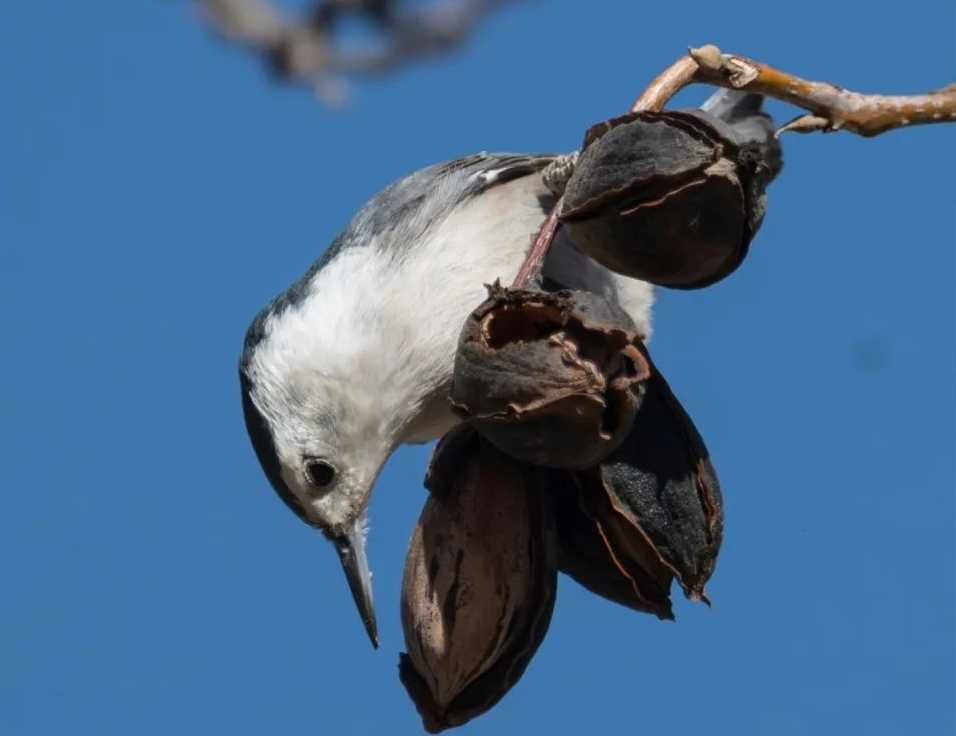
White - Breasted Nuthatch: The Upside - Down Acrobat of the Woods
The white - breasted nuthatch, Sitta carolinensis, is a distinctive and agile songbird that stands out in North American woodlands. With its striking combination of a white underbelly, blue - gray upperparts, and a black cap and nape on males (gray on females), it has a unique appearance. This small bird is renowned for its ability to climb headfirst down tree trunks, a behavior rare among birds.
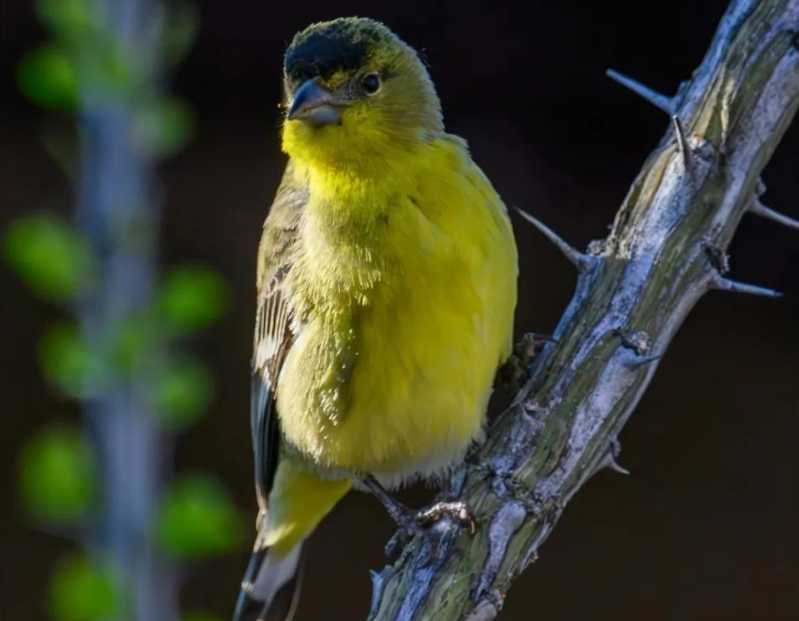
Dark - Backed Goldfinch: A Radiant Gem of the Avian World
The dark - backed goldfinch, Carduelis psaltria, is a small yet stunning bird celebrated for its vibrant plumage. Males showcase a striking combination of a bright yellow underbelly, contrasting sharply with their dark brown - black backs and wings, while females exhibit more muted, olive - toned hues. This species’ vivid colors make it a captivating sight in its natural habitats.
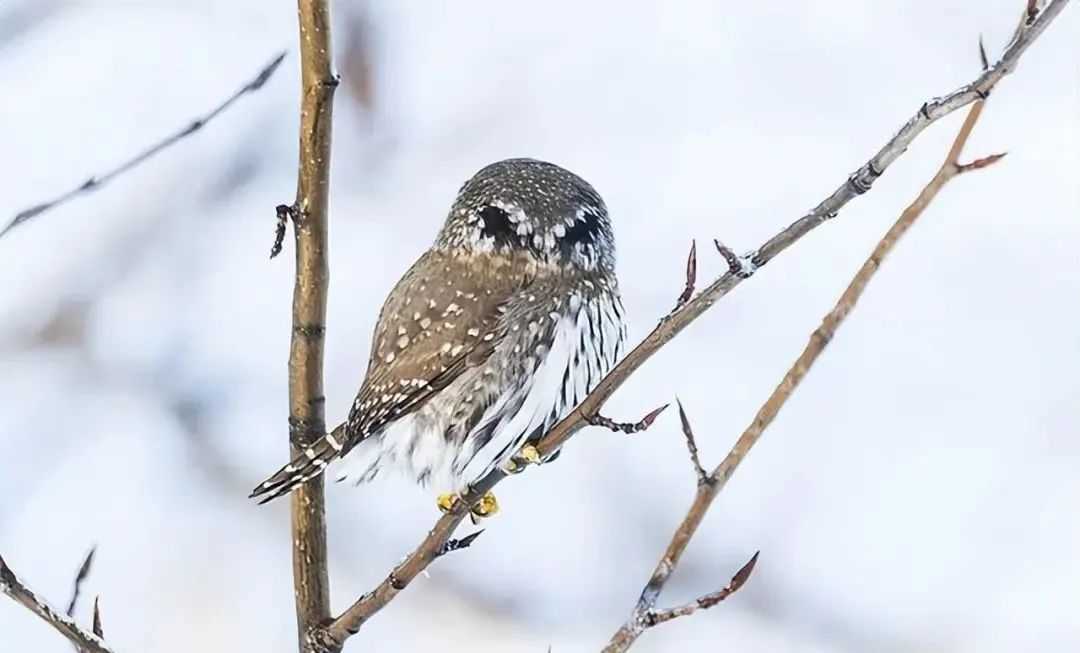
The Northern Pygmy-Owl: Deceptive 'Eyes' on Its Back
The Northern pygmy-owl (Glaucidium gnoma), a diminutive raptor native to North America’s coniferous forests, employs a fascinating evolutionary trick: conspicuous "eye spots" on the back of its head, designed to deceive predators and potential threats. These false eyes, formed by concentric circles of dark and light feathers, create the illusion that the owl is constantly watching, even when it turns its back.
Bold Black-Headed Gull Steals Food Directly from Puffin's Beak
In a dramatic display of avian thievery, a black-headed gull (Chroicocephalus ridibundus) was recently captured on camera snatching a meal straight from the beak of a puffin in a coastal colony. The incident, observed on a rocky outcrop near the Scottish Isles, highlights the opportunistic feeding behavior of these gulls, which often resort to piracy to secure an easy meal.

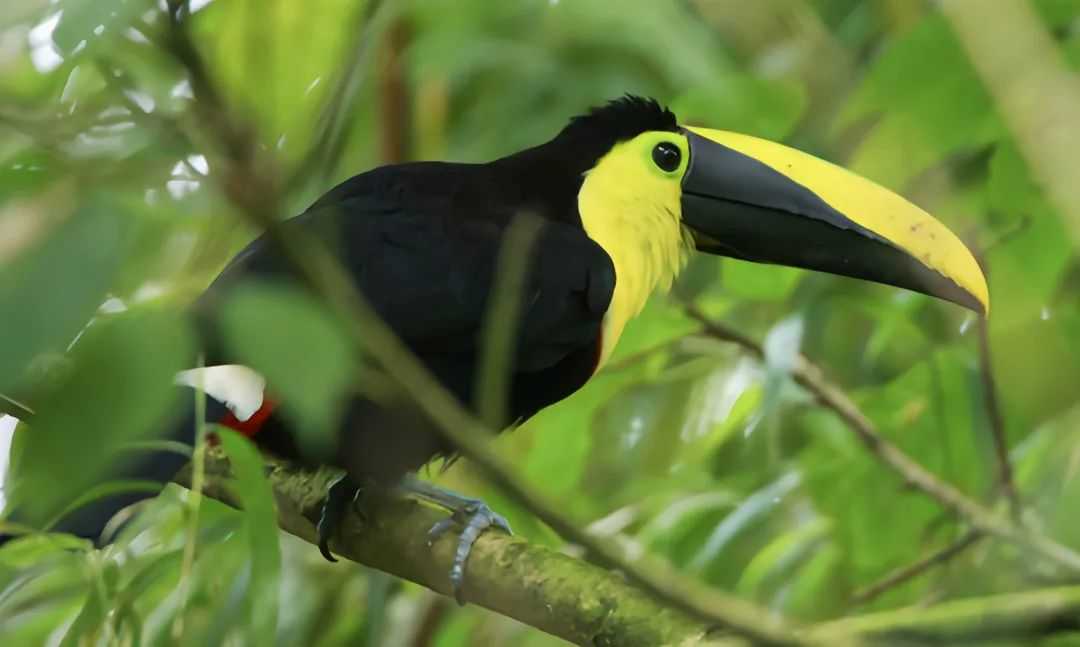
Ramphastos brevis: The Chocó Toucan of Northwestern South American Rainforests
Ramphastos brevis, commonly known as the Chocó toucan, is a captivating medium-sized bird endemic to the lush rainforests of northwestern South America. Renowned for its striking plumage and social behavior, this species plays a vital role in the intricate ecosystems of its native habitat, where it thrives amidst dense foliage and towering trees.
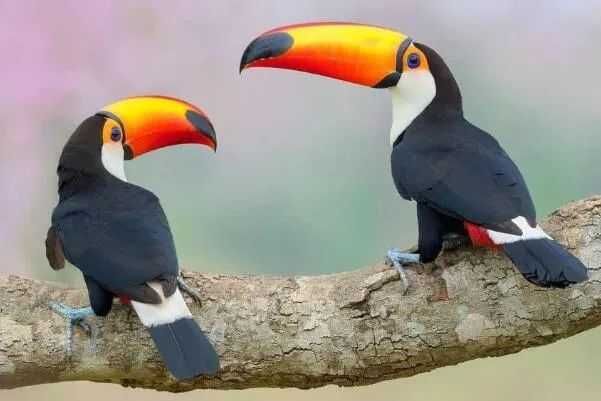
Ramphastos toco: The Largest Toucan of South American Savannahs
Ramphastos toco, commonly known as the toco toucan, reigns as the largest species within the toucan family, captivating observers with its remarkable size and distinct features. Endemic to the tropical savannahs of South America, this avian wonder showcases a unique blend of elegance and functionality, making it a symbol of the region's rich biodiversity.
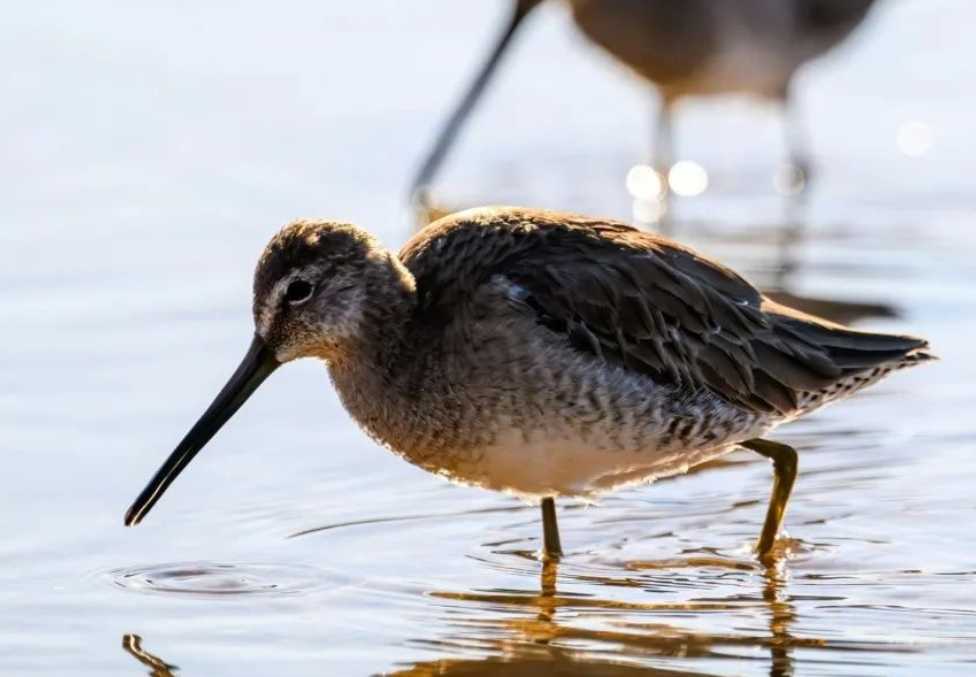
Xenus cinereus: The Agile Migrant Connecting East Asia and Australia
Xenus cinereus, commonly known as the upturned-bill sandpiper, is a remarkable medium-sized wading bird that undertakes an impressive migratory journey between East Asia and Australia. Renowned for its unique foraging adaptations and ecological role, this species is a vital component of the coastal and wetland ecosystems it traverses during its annual migrations.

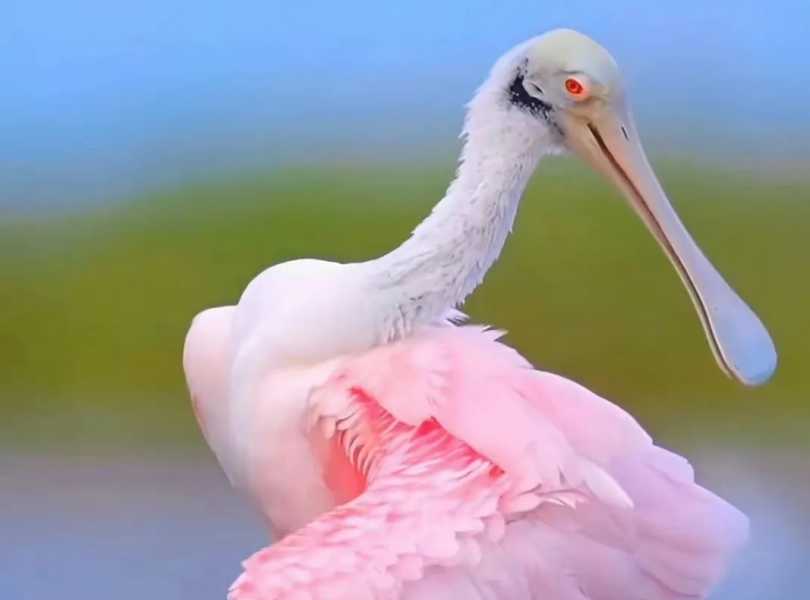
Platalea ajaja: The Vibrant Roseate Spoonbill of the Americas
Platalea ajaja, commonly known as the roseate spoonbill, is a striking wading bird native to the warm regions of the Americas. Renowned for its vivid plumage and unique feeding behavior, this species is an iconic inhabitant of shallow wetlands and coastal ecosystems, where its presence adds a splash of color to the landscape.