
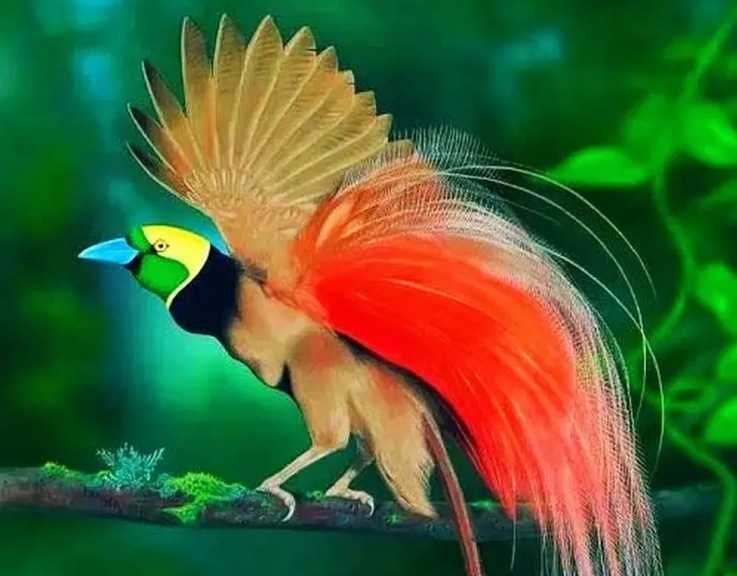
The Greater Bird of Paradise: New Guinea’s Avian Wonder Once Thought a Myth
Endemic to New Guinea, the greater bird of paradise (Paradisaea apoda) belongs to the Paradisaeidae family, feasting on fruits and insects. So extraordinary is its beauty that 19th-century European naturalists doubted its existence, suspecting its vividly plumed specimens were fraudulent "mythical creatures."
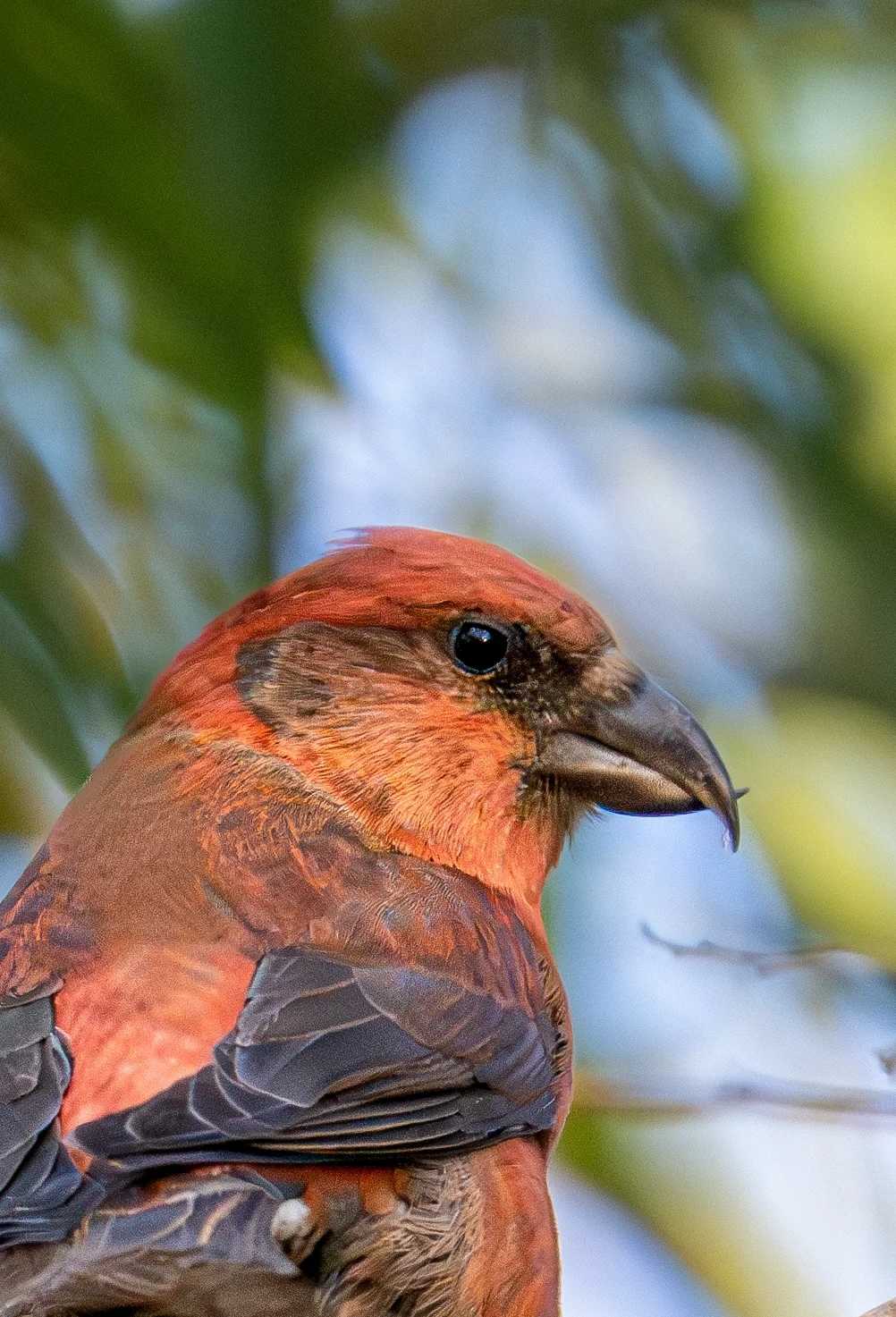
Loxia curvirostra: The Enigmatic Crossbill of Northern Coniferous Forests
Loxia curvirostra, commonly known as the common crossbill, is a small yet captivating songbird renowned for its distinctive bill shape and adaptability to the cold, dense coniferous forests of the Northern Hemisphere. As a key inhabitant of these ecosystems, it plays a vital role in seed dispersal and forest dynamics.
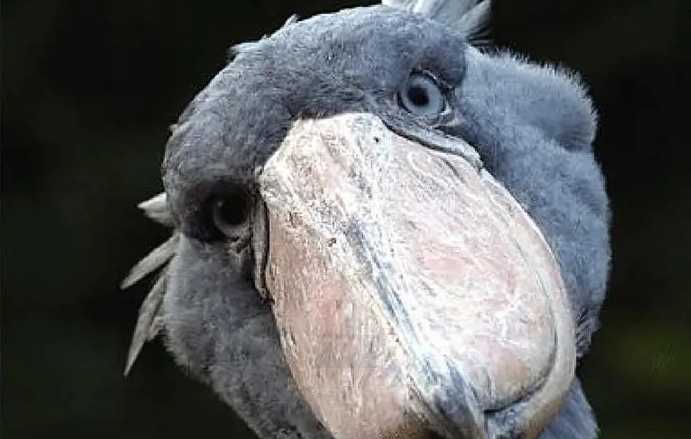
Balaeniceps rex: The Majestic Shoebill Stork of African Wetlands
Balaeniceps rex, commonly known as the shoebill stork, is an imposing and enigmatic large wading bird that commands attention with its unique appearance and elusive nature. Endemic to the vast swampy wetlands of central and eastern Africa, this species stands as a symbol of the continent’s rich aquatic ecosystems and the delicate balance of its natural habitats.
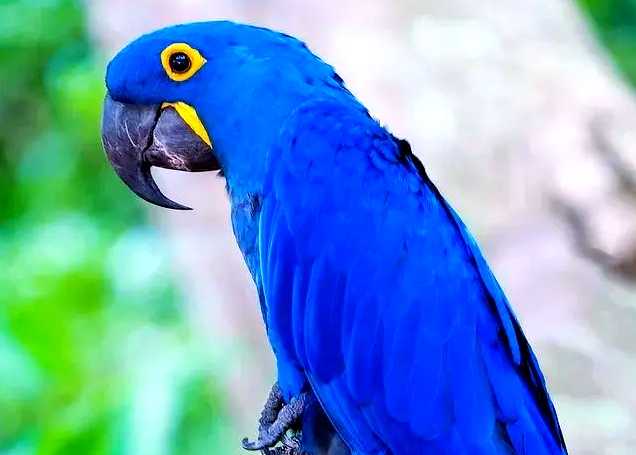
The Hyacinth Macaw: South America’s Azure Giant and Parrot Royalty
Scientifically named Anodorhynchus hyacinthinus, this parrot holds the title of the world’s largest, stretching up to 1 meter in length. Native to South America’s rainforests, it feasts on nuts and seeds, relying on its massive beak to crack open even the hardest Brazil nut shells.
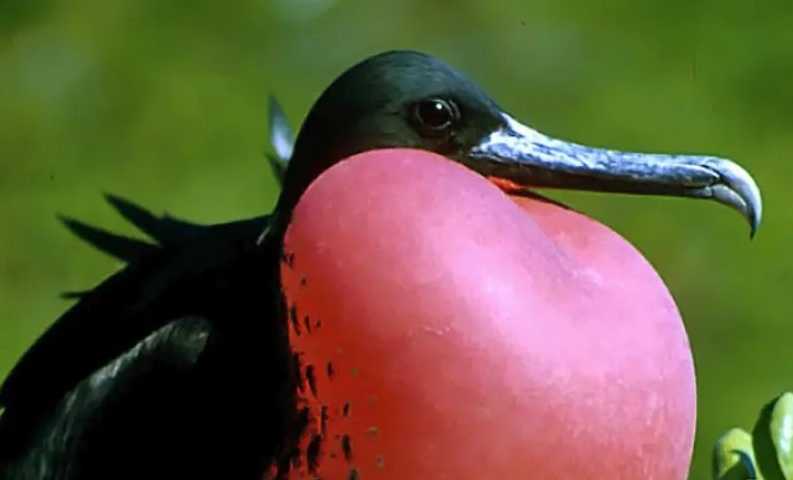
Fregata magnificens: The Regal Magnificent Frigatebird of Tropical Oceans
Fregata magnificens, commonly known as the magnificent frigatebird, is a towering seabird that commands the skies over tropical marine ecosystems. With its imposing size and aerial prowess, this species is a symbol of the open ocean’s grandeur, thriving in the warm waters and island-dotted landscapes of the tropics.
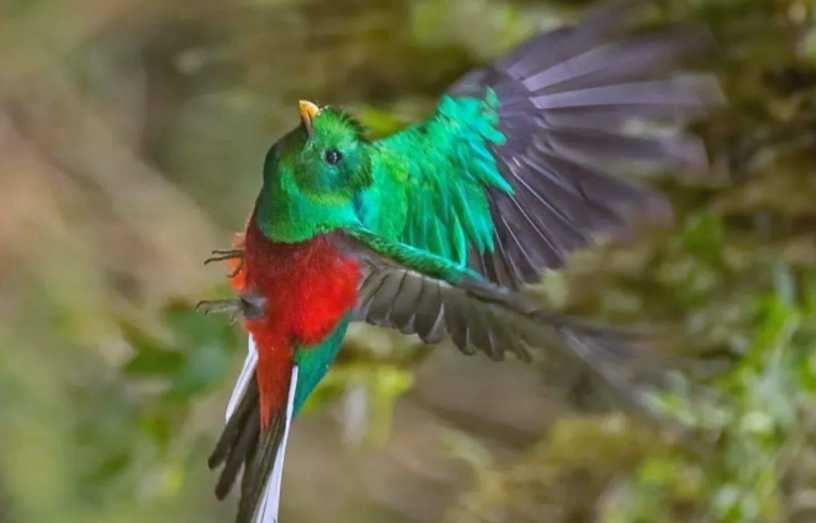
The Resplendent Quetzal: Mesoamerica’s Emerald Avian Deity and Symbol of Freedom
Scientifically named Pharomachrus mocinno, this trogon is endemic to Central American rainforests, measuring 35 cm in length and feasting on insects and fruits. Its cultural significance rivals its biological splendor: in ancient Maya civilization, it was revered as the incarnation of the feathered serpent god Quetzalcoatl, with its emerald plumage reserved exclusively for royalty. Today, it serves as Guatemala’s national bird, embodying freedom and divinity.
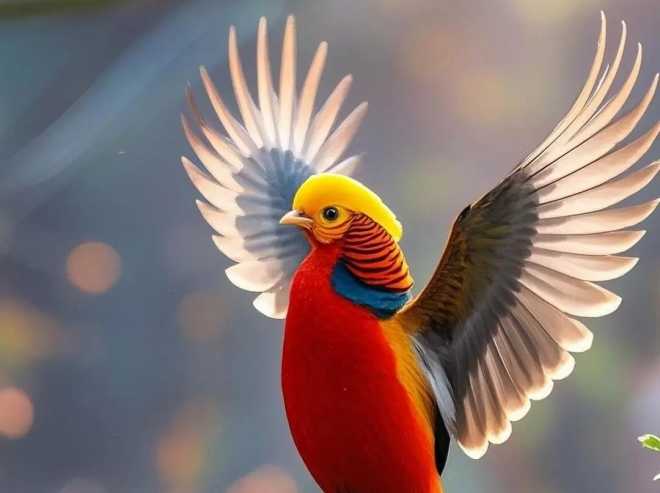
The Golden Pheasant: China’s Living Phoenix and Avian Emblem of Royalty
Scientifically named Chrysolophus pictus, this iconic pheasant is endemic to China’s central and western mountain ranges, measuring 80 cm in length and feeding on plant seeds and insects. A national second-class protected animal, it’s long been hailed as the real-world inspiration for the mythical phoenix—an association that elevated it to imperial status in ancient China.