The Ray: A Diverse Group of Flat-Bodied Cartilaginous Fishes


Animal Information
The Ray: A Diverse Group of Flat-Bodied Cartilaginous Fishes

Rays are a collective term for numerous flattened cartilaginous fishes in the orders Rajiformes and Myliobatiformes within the class Chondrichthyes. Below is a detailed introduction to these unique marine creatures:

Physical Characteristics

  • Body Shape
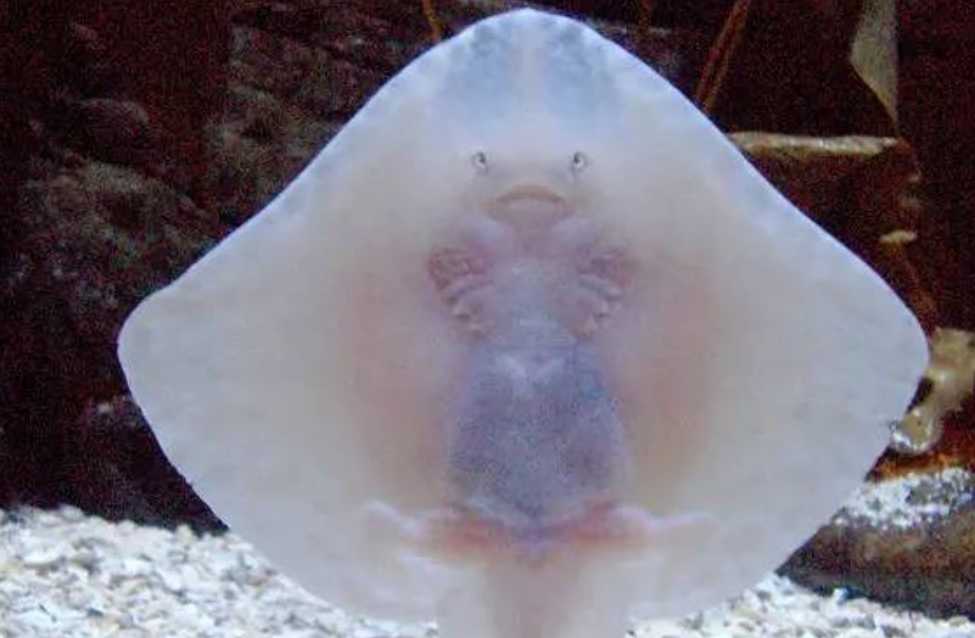
    Rays have flattened, circular, rhomboid, or diamond-shaped bodies with broad pectoral fins extending from the snout to the slender tail, resembling a fan or wings. This shape allows them to "fly" through water. The pelvic fins fuse with the trunk to form a flat disc, while the tail fin is often short or absent.
  • Head Structure
    The head connects directly to the body without a distinct neck. Eyes and spiracles (respiratory openings) sit on the top of the head, enabling them to observe above while lurking on the seabed. Mouths, nostrils, and gill slits are located on the underside, adapted for a benthic lifestyle.
  • Skin and Coloration
    Skin is typically smooth. Many species have monochromatic bodies, while some sport ridges, spines, or weak electric organs in the tail. Coloration varies from brown, black, or gray to patterned designs, helping them blend with the seafloor for camouflage.
  • Size Variation
    Rays range drastically in size: small species measure about 50 cm as adults, while the largest can reach up to 8 meters.

Lifestyle and Behavior

  • Habitat
    Found in most global water bodies, from tropical to near-Arctic regions and shallow seas to depths of 2,700 meters. They primarily inhabit the seafloor, often partially buried in sand, and frequent coral reefs, rocky areas, and continental shelf shallows.
  • Diet
    Carnivorous, feeding on mollusks, crustaceans, and fish. Juveniles prey on crabs and lobsters, while adults target squid and other mollusks. They locate prey via smell, then swoop down from above to ambush.
  • Activity Patterns
    Most rays are sedentary bottom-dwellers with slow movements. They are more active at night, lurking in seabed sand during the day to conserve energy and avoid predators.

Reproduction

Rays are oviparous. Their eggs, called "mermaid's purses," are rectangular with a leathery shell and often wash ashore. Males have specialized copulatory organs (claspers) for internal fertilization. Females lay eggs in suitable environments, which hatch externally.

Species Classification

With over 100 known species, rays are divided into multiple families and genera. Common types include:


  • Stingrays: Flat-bodied with thin tails, some featuring venomous spines.
  • Manta Rays: Gigantic, with pectoral fins spanning several meters, feeding on plankton and small fish.
  • Electric Rays: Possess electric organs to generate current for defense and predation.

Interactions with Humans

  • Edible Value
    Rays are edible, with tender, boneless meat suitable for braising, stewing, frying, or braising.
  • Medicinal Uses
    Organs like the gallbladder have medicinal properties. Ray bile contains hexose-6-phosphate dehydrogenase, used to treat rheumatism, 跌打损伤 (trauma), and skin ulcers.
  • Ecological Role
    Vital to marine ecosystems as a key link in the food chain, maintaining ecological balance. Their presence reflects ocean health.
  • Ornamental Value
    Some species with unique, graceful forms are kept in aquariums, showcasing marine biodiversity to the public.
Latest Stories
Feline News2 minute readThe Korat cat, originating from Thailand’s Nakhon Ratchasima province (formerly Korat), is a breed deeply rooted in history and cultural significance. Revered for centuries as a symbol of good luck and prosperity, these silver-blue felines have enchanted the world with their striking appearance and affectionate nature.
Feline News2 minute readThe Burmese cat, a breed steeped in history and adored for its regal charm, continues to captivate cat lovers worldwide. Originating from Myanmar (formerly Burma), these medium-sized shorthairs are celebrated for their luxurious coat, affectionate demeanor, and intelligence. Here’s an in-depth look at this ancient breed, combining the latest research and international standards
Feline News2 minute readThe Russian Blue, with its silvery-blue coat and piercing emerald eyes, stands as a paragon of feline elegance, earning the title "Noble of the Shorthairs" 5. Originating from Arkhangelsk Port in Russia—once known as the "Blue Angel Harbor"—this ancient breed derived its name not from color but from its birthplace 3. In 1860, sailors introduced them to Europe, and they debuted at London's Crystal Palace Exposition in 1875 as "Archangel Cats," captivating audiences with their otherworldly allure
Astro Information1 minute readEnceladus, Saturn’s icy moon, harbors a subsurface ocean beneath tiger-stripe fractures that erupt icy particles into space. These geysers form a dense ice cloud over the south pole, feeding Saturn’s faint E ring. The Cassini spacecraft (2004–2017) provided definitive evidence, capturing this true-color, high-resolution image during a close flyby, revealing shadowed ice chasms and active vents.
Animal Information1 minute readNative to Africa, warthogs (Phacochoerus) earn their name from the fleshy facial warts beneath their eyes. Split into the common warthog and desert warthog, these ungulates have heads comprising one-third of their body length, with tusks reaching 64 cm. They subsist on grass roots and tubers, surviving months without water—adaptations that define their harsh savanna lifestyle.
Astro Information2 minute readA close-up from NASA’s Mars Reconnaissance Orbiter (MRO) HiRISE camera unveils the weathered craters and aeolian features of southern Acidalia Planitia. While standard HiRISE imagery often appears in striking blue tones—a result of multispectral processing to enhance geological details—the region would likely appear gray or pale red to human eyes. Of course, no human has yet witnessed this Martian landscape firsthand—unless we count Andy Weir’s fictional NASA astronaut in The Martian.
Feline News1 minute readDubbed the "parlor panther," the Bombay Cat captivates with its jet-black coat and mesmerizing copper-gold eyes, an uncanny resemblance to the wild black leopard. Originating in 1958, Kentucky breeder Nikki Horner meticulously crossed sable Burmese cats with black American Shorthairs, aiming to create a domestic feline embodying both exotic allure and gentle temperament. After years of selective breeding, her vision became reality, establishing the Bombay as a breed that bridges wild aesthetics with affectionate companionship.