In the vast and diverse landscapes of Australia, the Banksia plant stands out as a remarkable and iconic part of the continent's flora. With its unique appearance and important ecological role, the Banksia has captured the attention of botanists, nature enthusiasts, and gardeners worldwide.
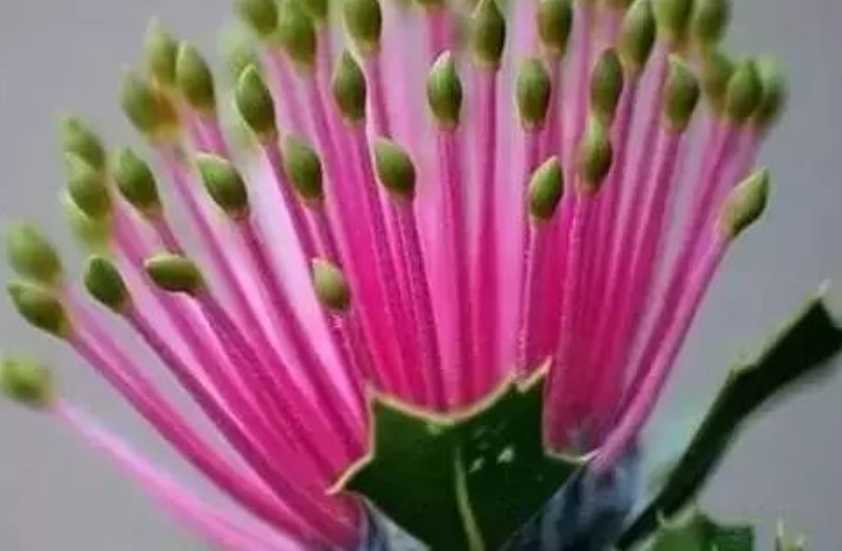
The Banksia genus, part of the Proteaceae family, encompasses around 170 species. These plants range in size from low - lying, woody shrubs to towering trees that can reach up to 30 meters in height. They are easily recognizable by their characteristic flower spikes, which are truly a sight to behold. Each spike is composed of hundreds of tiny individual flowers, tightly packed together. The shape of these flower spikes can vary, with some being long and cylindrical, resembling candles or brushes, while others are more dome - like. The colors of the flower spikes also display a wide spectrum, including vibrant yellows, oranges, and reds, which not only add a splash of color to the Australian bush but also play a crucial role in attracting pollinators.
Native to Australia, Banksias are found across a wide variety of habitats, from sclerophyll forests and shrublands to some arid landscapes, although they are absent from the country's deserts. One of the most interesting aspects of Banksias is their relationship with fire. Many species have adapted to the frequent wildfires that occur in Australia. Their woody fruiting "cones" are designed to hold seeds securely until they are exposed to the high temperatures of a fire. Once burned, the cones open, releasing the seeds, which can then germinate in the nutrient - rich soil left behind by the fire. This unique adaptation ensures the survival and regeneration of Banksia populations after a fire event.
Banksias are also a vital part of the local ecosystem. As heavy producers of nectar, they serve as an important food source for a range of nectar - feeding animals. Birds, such as honeyeaters, are often seen flitting around Banksia flower spikes, sipping nectar and inadvertently pollinating the flowers in the process. Small mammals, including rodents, possums, and bats, also rely on the nectar of Banksias for sustenance. Additionally, the plant provides habitat and food for various insects, further contributing to the biodiversity of the Australian bush.
However, despite their resilience, Banksias face several threats. Habitat destruction due to land clearing for agriculture, urban development, and logging is a significant concern. This loss of habitat reduces the available space for Banksias to grow and reproduce. Frequent burning, if not properly managed, can also disrupt the natural fire - adaptation cycle of these plants. Moreover, a water mould called Phytophthora cinnamomi, commonly known as "dieback," attacks the roots of Banksias, causing significant damage and sometimes death. As a result, several Banksia species, such as the Feather - leaved Banksia (B. brownii), Matchstick Banksia (B. cuneata), and Good's Banksia (B. goodii), are now considered rare or endangered.
In response to these threats, conservation efforts are underway to protect Banksias and their habitats. These include the establishment of protected areas, the implementation of sustainable land - use practices, and research into ways to manage dieback and other diseases. Additionally, many nurseries and gardeners are cultivating Banksias, which not only helps to preserve the species but also allows more people to appreciate their beauty. In gardens, Banksias can be used to create unique and attractive landscapes, and their long - lasting flower spikes also make them popular as cut flowers.
The Banksia is not just a plant; it is a symbol of Australia's unique and diverse flora. Its story is one of adaptation, survival, and ecological importance. As we continue to learn more about these fascinating plants and work to protect them, we can ensure that future generations will also be able to admire the beauty and significance of the Banksia in the Australian landscape.