Siberian Cats: A Majestic Breed with Ancient Roots and Modern Appeal


Feline News
Siberian Cats: A Majestic Breed with Ancient Roots and Modern Appeal

London, UK – The Siberian cat, a breed deeply intertwined with Russian heritage, has recently found itself at the center of a political storm in the UK. British Prime Minister Keir Starmer’s decision to adopt a Siberian kitten named “Prince” for his family at Downing Street sparked criticism from a former intelligence officer, who accused him of “supporting Russia” by choosing a Russian-bred cat over a British Shorthair12. The incident highlights the breed’s growing global popularity, as well as its cultural significance.

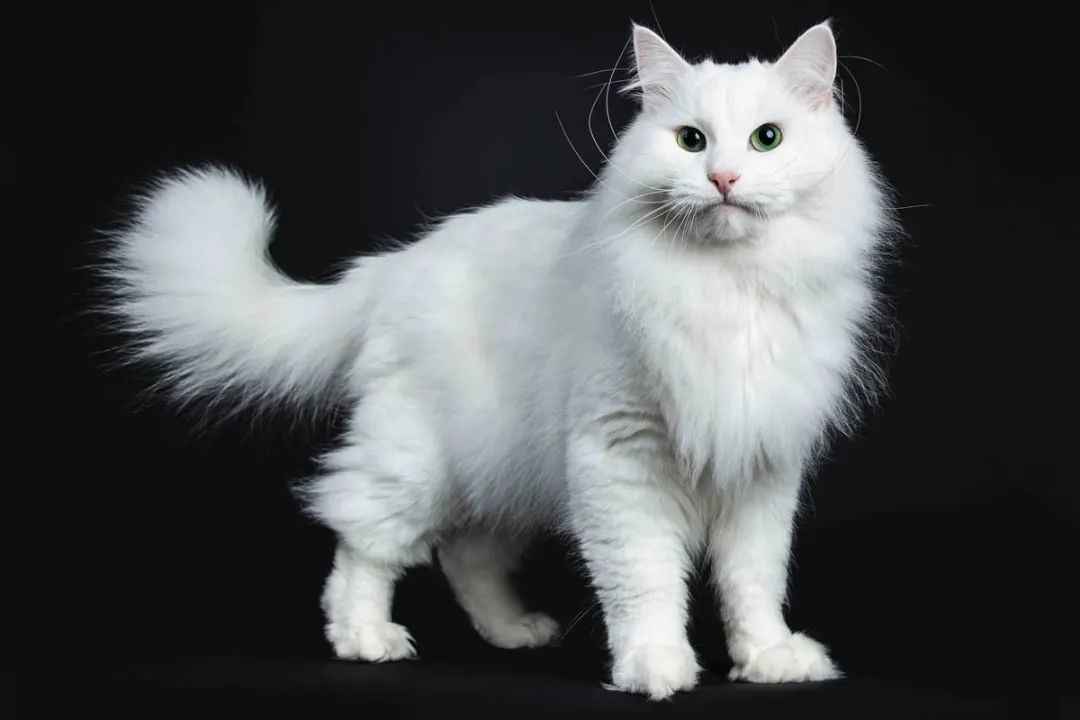
Originating in the harsh climates of Siberia, the Siberian cat is a natural breed with a history spanning centuries. These medium-to-large cats are known for their robust build, triple-layered fur, and striking almond-shaped eyes317. Their thick coat, designed to withstand extreme cold, comes in various colors and patterns, though chocolate and cinnamon hues are not recognized by major associations like TICA and CFA25. Weighing between 4.5 to 9 kilograms, Siberians are muscular and agile, with a lifespan of 10 to 18 years318.
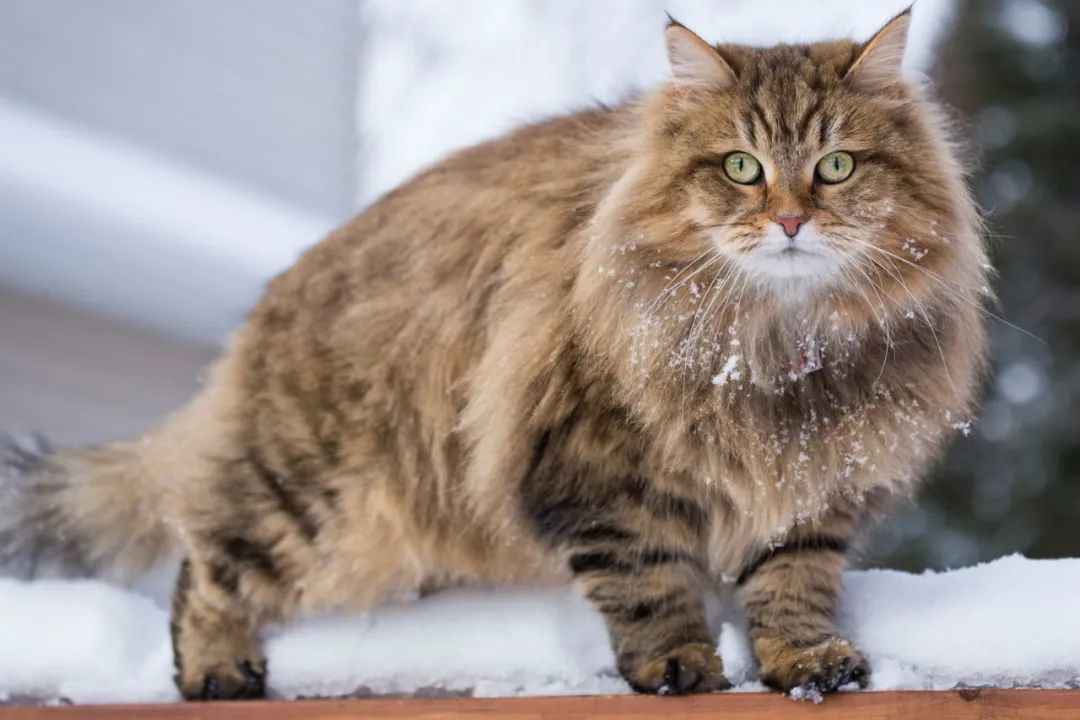
 

Source: Images from the Internet, if there is any infringement, please contact the removal of


One of the breed’s most celebrated traits is its hypoallergenic potential. While no cat is entirely allergy-free, Siberians produce significantly less of the Fel d1 protein—a primary allergen—than other breeds. Research suggests that up to 50% of Siberians have allergen levels below average, making them a popular choice for individuals with cat allergies910. However, experts emphasize that sensitivity varies, and potential owners should spend time with a Siberian before adoption14.


Despite their hardy reputation, Siberians are prone to genetic health issues such as hypertrophic cardiomyopathy (HCM), a heart condition, and polycystic kidney disease (PKD)1315. Responsible breeders prioritize genetic testing to minimize these risks, ensuring kittens are screened for hereditary disorders1423.


Behaviorally, Siberians are affectionate and sociable, thriving in family environments. They form strong bonds with humans and often get along well with children and other pets310. Their intelligence and playful nature make them trainable, with some even learning to walk on leashes10.


The breed’s recognition by international associations began in the late 20th century. TICA granted championship status to Siberians in 1996, followed by CFA in 2000311. Today, they rank among the top 10 most popular cat breeds globally, celebrated for their regal appearance and adaptable personalities8.


Back in the UK, Prime Minister Starmer’s choice of a Siberian has reignited debates about pet ownership and national identity. While critics labeled the decision “absurd,” many defended it as a harmless act of family bonding1. Regardless of the controversy, the Siberian cat’s enduring appeal—rooted in its resilience, beauty, and unique genetic traits—continues to captivate cat lovers worldwide.


For those considering adding a Siberian to their family, experts recommend sourcing kittens from reputable breeders who prioritize health and temperament. With proper care, these majestic cats can bring joy and companionship for years to come.
Latest Stories
Feline News2 minute readThe Korat cat, originating from Thailand’s Nakhon Ratchasima province (formerly Korat), is a breed deeply rooted in history and cultural significance. Revered for centuries as a symbol of good luck and prosperity, these silver-blue felines have enchanted the world with their striking appearance and affectionate nature.
Feline News2 minute readThe Burmese cat, a breed steeped in history and adored for its regal charm, continues to captivate cat lovers worldwide. Originating from Myanmar (formerly Burma), these medium-sized shorthairs are celebrated for their luxurious coat, affectionate demeanor, and intelligence. Here’s an in-depth look at this ancient breed, combining the latest research and international standards
Feline News2 minute readThe Russian Blue, with its silvery-blue coat and piercing emerald eyes, stands as a paragon of feline elegance, earning the title "Noble of the Shorthairs" 5. Originating from Arkhangelsk Port in Russia—once known as the "Blue Angel Harbor"—this ancient breed derived its name not from color but from its birthplace 3. In 1860, sailors introduced them to Europe, and they debuted at London's Crystal Palace Exposition in 1875 as "Archangel Cats," captivating audiences with their otherworldly allure
Astro Information1 minute readEnceladus, Saturn’s icy moon, harbors a subsurface ocean beneath tiger-stripe fractures that erupt icy particles into space. These geysers form a dense ice cloud over the south pole, feeding Saturn’s faint E ring. The Cassini spacecraft (2004–2017) provided definitive evidence, capturing this true-color, high-resolution image during a close flyby, revealing shadowed ice chasms and active vents.
Animal Information1 minute readNative to Africa, warthogs (Phacochoerus) earn their name from the fleshy facial warts beneath their eyes. Split into the common warthog and desert warthog, these ungulates have heads comprising one-third of their body length, with tusks reaching 64 cm. They subsist on grass roots and tubers, surviving months without water—adaptations that define their harsh savanna lifestyle.
Astro Information2 minute readA close-up from NASA’s Mars Reconnaissance Orbiter (MRO) HiRISE camera unveils the weathered craters and aeolian features of southern Acidalia Planitia. While standard HiRISE imagery often appears in striking blue tones—a result of multispectral processing to enhance geological details—the region would likely appear gray or pale red to human eyes. Of course, no human has yet witnessed this Martian landscape firsthand—unless we count Andy Weir’s fictional NASA astronaut in The Martian.
Feline News1 minute readDubbed the "parlor panther," the Bombay Cat captivates with its jet-black coat and mesmerizing copper-gold eyes, an uncanny resemblance to the wild black leopard. Originating in 1958, Kentucky breeder Nikki Horner meticulously crossed sable Burmese cats with black American Shorthairs, aiming to create a domestic feline embodying both exotic allure and gentle temperament. After years of selective breeding, her vision became reality, establishing the Bombay as a breed that bridges wild aesthetics with affectionate companionship.