Discover the Loyal and Lively Welsh Terrier: A Complete Breed Guide


Canine News
Discover the Loyal and Lively Welsh Terrier: A Complete Breed Guide

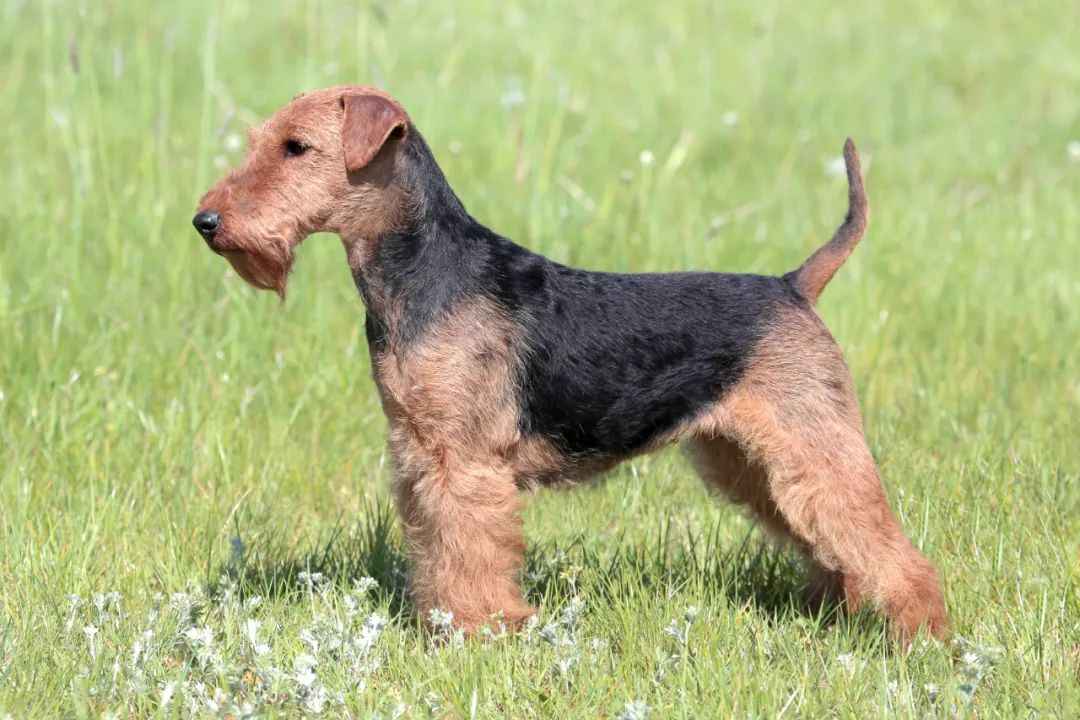
The Welsh Terrier, hailing from the rugged landscapes of Wales, is a spirited and affectionate breed celebrated for its distinctive appearance and dynamic personality. Originally bred to hunt foxes, badgers, and rodents, these medium-sized dogs have evolved into devoted companions with a rich heritage. Here’s an in-depth look at their traits, care requirements, and why they continue to charm dog lovers worldwide.


Appearance and Temperament
Standing at around 15 inches tall and weighing 20–22 pounds, Welsh Terriers are compact yet muscular, with a square-proportioned build. Their most striking feature is their dense, wiry coat in black-and-tan or grizzle-and-tan patterns, which requires regular hand-stripping to maintain its texture and color210. Their expressive dark eyes and V-shaped ears give them an alert, intelligent gaze, while their confident demeanor reflects their hunting roots6.


Known for their lively energy and loyalty, Welsh Terriers thrive on human interaction. They are friendly with families and children but may display a stubborn streak, necessitating patient, consistent training45. Early socialization is crucial to curb their high prey drive, as they may chase small animals or even running children if not properly managed4.


Health and Care
With a lifespan of 10–14 years, Welsh Terriers are generally hardy but prone to specific health issues. Hip dysplasia, cataracts, glaucoma, and skin allergies (atopy) are common concerns, making regular veterinary check-ups essential48. Their diet should prioritize high-quality protein to support muscle health, while avoiding toxic foods like chocolate or onions2.


Grooming-wise, their wiry coat demands weekly brushing and professional stripping every 3–4 months to prevent matting and maintain its weather-resistant properties1011. Occasional baths and dental care further ensure their well-being4.


Training and Exercise
These intelligent dogs excel in activities that challenge their minds and bodies. Daily walks, interactive play, and tasks like barn hunts or agility training keep them mentally stimulated and physically fit45. However, their independent nature means they require firm, positive reinforcement training to prevent dominance issues4.


Conclusion
The Welsh Terrier’s blend of courage, loyalty, and playful charm makes it a beloved choice for active families. While their grooming needs and stubborn streak require commitment, the rewards of their companionship are immeasurable. Whether in the show ring or at home, this breed embodies the spirit of Wales—resilient, spirited, and forever devoted.

Latest Stories
Feline News2 minute readThe Korat cat, originating from Thailand’s Nakhon Ratchasima province (formerly Korat), is a breed deeply rooted in history and cultural significance. Revered for centuries as a symbol of good luck and prosperity, these silver-blue felines have enchanted the world with their striking appearance and affectionate nature.
Feline News2 minute readThe Burmese cat, a breed steeped in history and adored for its regal charm, continues to captivate cat lovers worldwide. Originating from Myanmar (formerly Burma), these medium-sized shorthairs are celebrated for their luxurious coat, affectionate demeanor, and intelligence. Here’s an in-depth look at this ancient breed, combining the latest research and international standards
Feline News2 minute readThe Russian Blue, with its silvery-blue coat and piercing emerald eyes, stands as a paragon of feline elegance, earning the title "Noble of the Shorthairs" 5. Originating from Arkhangelsk Port in Russia—once known as the "Blue Angel Harbor"—this ancient breed derived its name not from color but from its birthplace 3. In 1860, sailors introduced them to Europe, and they debuted at London's Crystal Palace Exposition in 1875 as "Archangel Cats," captivating audiences with their otherworldly allure
Astro Information1 minute readEnceladus, Saturn’s icy moon, harbors a subsurface ocean beneath tiger-stripe fractures that erupt icy particles into space. These geysers form a dense ice cloud over the south pole, feeding Saturn’s faint E ring. The Cassini spacecraft (2004–2017) provided definitive evidence, capturing this true-color, high-resolution image during a close flyby, revealing shadowed ice chasms and active vents.
Animal Information1 minute readNative to Africa, warthogs (Phacochoerus) earn their name from the fleshy facial warts beneath their eyes. Split into the common warthog and desert warthog, these ungulates have heads comprising one-third of their body length, with tusks reaching 64 cm. They subsist on grass roots and tubers, surviving months without water—adaptations that define their harsh savanna lifestyle.
Astro Information2 minute readA close-up from NASA’s Mars Reconnaissance Orbiter (MRO) HiRISE camera unveils the weathered craters and aeolian features of southern Acidalia Planitia. While standard HiRISE imagery often appears in striking blue tones—a result of multispectral processing to enhance geological details—the region would likely appear gray or pale red to human eyes. Of course, no human has yet witnessed this Martian landscape firsthand—unless we count Andy Weir’s fictional NASA astronaut in The Martian.
Feline News1 minute readDubbed the "parlor panther," the Bombay Cat captivates with its jet-black coat and mesmerizing copper-gold eyes, an uncanny resemblance to the wild black leopard. Originating in 1958, Kentucky breeder Nikki Horner meticulously crossed sable Burmese cats with black American Shorthairs, aiming to create a domestic feline embodying both exotic allure and gentle temperament. After years of selective breeding, her vision became reality, establishing the Bombay as a breed that bridges wild aesthetics with affectionate companionship.