BMW M5 E39: The Iconic Performance Sedan That Redefined Luxury and Power


Car Information
BMW M5 E39: The Iconic Performance Sedan That Redefined Luxury and Power

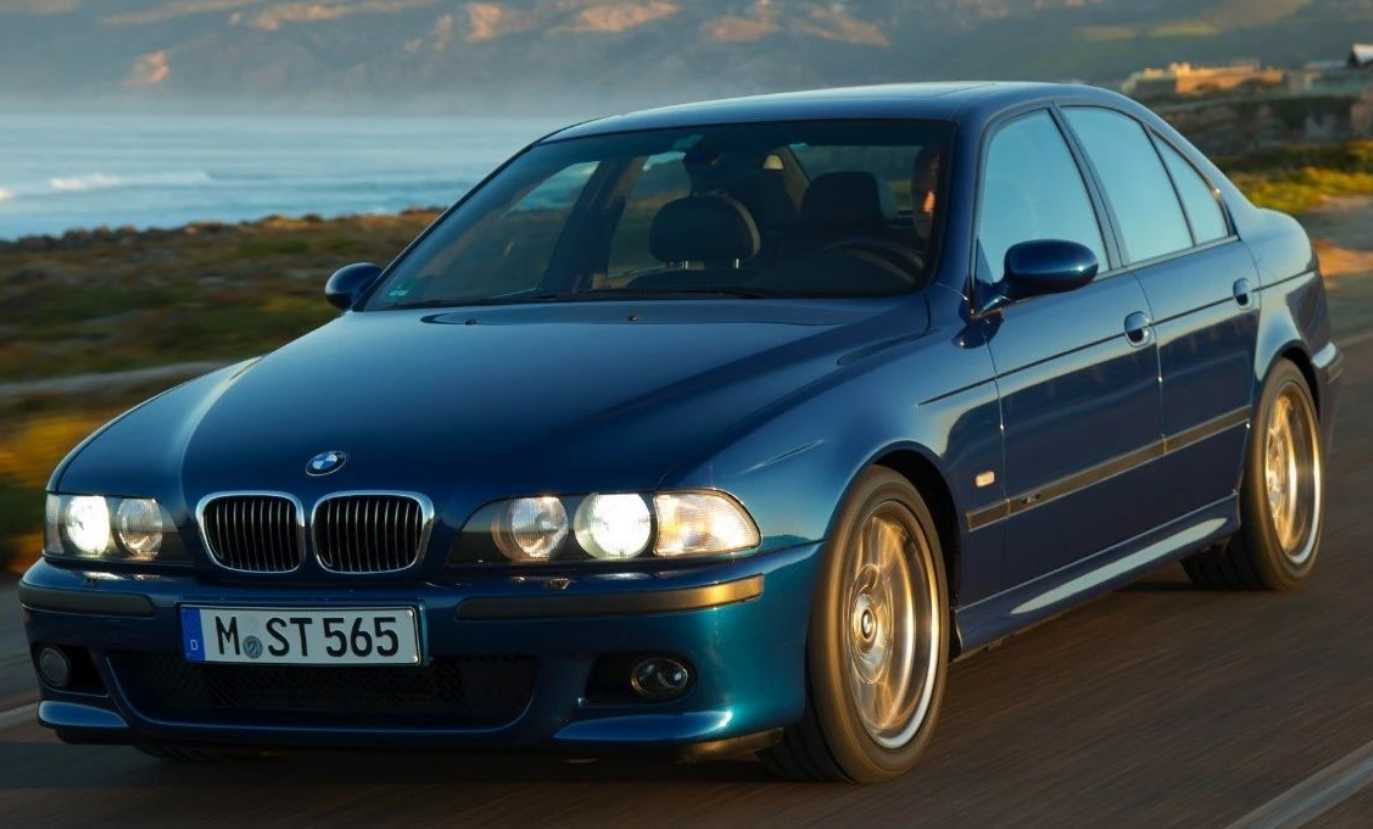
The BMW M5 E39 stands as a timeless masterpiece in the realm of performance sedans, seamlessly blending executive luxury with heart - pounding performance. Launched in 1998, this fourth - generation M5 became an instant classic, revered for its balance of a high - revving V8 engine, precise manual transmission, and refined cabin—a formula that still captivates enthusiasts today.


Beneath its understated yet muscular hood lies a 4.9 - liter naturally aspirated V8 engine, a mechanical marvel producing 400 horsepower at 6,600 rpm and 500 Nm of torque at 3,800 rpm. Mated to a six - speed manual transmission (a rare gem in the luxury segment), the E39 M5 catapults from 0 - 60 mph in 5.3 seconds, with a top speed electronically limited to 155 mph (250 km/h). The engine’s linear power delivery, combined with a sonorous exhaust note, created an addictive driving experience, while a limited - slip differential ensured rear - wheel drive traction even during spirited maneuvers. Engineers tuned the suspension and steering to perfection, offering both compliant daily ride quality and razor - sharp handling on winding roads.


The E39 M5’s design was a study in understated elegance. Subtle M - specific cues like flared wheel arches, quad exhausts, and 18 - inch alloy wheels hinted at its performance credentials without overwhelming its executive sedan roots. Inside, the cabin boasted premium leather upholstery, heated sport seats, and wood trim, balancing luxury with driver - centric features like a bolstered steering wheel and intuitive controls. Decades later, the M5 E39 remains a benchmark for performance sedans, celebrated for its mechanical purity, timeless design, and the rare ability to serve as both a daily driver and a track - ready thrill machine. It’s a testament to BMW’s golden era of engineering—where power, precision, and luxury converged in perfect harmony.
Latest Stories
Feline News2 minute readThe Korat cat, originating from Thailand’s Nakhon Ratchasima province (formerly Korat), is a breed deeply rooted in history and cultural significance. Revered for centuries as a symbol of good luck and prosperity, these silver-blue felines have enchanted the world with their striking appearance and affectionate nature.
Feline News2 minute readThe Burmese cat, a breed steeped in history and adored for its regal charm, continues to captivate cat lovers worldwide. Originating from Myanmar (formerly Burma), these medium-sized shorthairs are celebrated for their luxurious coat, affectionate demeanor, and intelligence. Here’s an in-depth look at this ancient breed, combining the latest research and international standards
Feline News2 minute readThe Russian Blue, with its silvery-blue coat and piercing emerald eyes, stands as a paragon of feline elegance, earning the title "Noble of the Shorthairs" 5. Originating from Arkhangelsk Port in Russia—once known as the "Blue Angel Harbor"—this ancient breed derived its name not from color but from its birthplace 3. In 1860, sailors introduced them to Europe, and they debuted at London's Crystal Palace Exposition in 1875 as "Archangel Cats," captivating audiences with their otherworldly allure
Astro Information1 minute readEnceladus, Saturn’s icy moon, harbors a subsurface ocean beneath tiger-stripe fractures that erupt icy particles into space. These geysers form a dense ice cloud over the south pole, feeding Saturn’s faint E ring. The Cassini spacecraft (2004–2017) provided definitive evidence, capturing this true-color, high-resolution image during a close flyby, revealing shadowed ice chasms and active vents.
Animal Information1 minute readNative to Africa, warthogs (Phacochoerus) earn their name from the fleshy facial warts beneath their eyes. Split into the common warthog and desert warthog, these ungulates have heads comprising one-third of their body length, with tusks reaching 64 cm. They subsist on grass roots and tubers, surviving months without water—adaptations that define their harsh savanna lifestyle.
Astro Information2 minute readA close-up from NASA’s Mars Reconnaissance Orbiter (MRO) HiRISE camera unveils the weathered craters and aeolian features of southern Acidalia Planitia. While standard HiRISE imagery often appears in striking blue tones—a result of multispectral processing to enhance geological details—the region would likely appear gray or pale red to human eyes. Of course, no human has yet witnessed this Martian landscape firsthand—unless we count Andy Weir’s fictional NASA astronaut in The Martian.
Feline News1 minute readDubbed the "parlor panther," the Bombay Cat captivates with its jet-black coat and mesmerizing copper-gold eyes, an uncanny resemblance to the wild black leopard. Originating in 1958, Kentucky breeder Nikki Horner meticulously crossed sable Burmese cats with black American Shorthairs, aiming to create a domestic feline embodying both exotic allure and gentle temperament. After years of selective breeding, her vision became reality, establishing the Bombay as a breed that bridges wild aesthetics with affectionate companionship.